
How To Budget Family Travel Food Stops
📖 Table of Contents
I still remember the first time we tried to plan a family road trip across the Midwest, only to realize that the cost of food stops added up to nearly a third of our total budget. That moment, standing at a gas station hot dog counter with three kids staring at the menu, made me realize that food stops aren’t just about convenience—they’re a critical part of planning a family-friendly trip. The key is knowing how to budget them properly, and that’s what this guide is for. Whether you're looking to save money or simply avoid the stress of constant meal planning, learning how to budget family travel food stops is an essential skill for any parent on the road.
Planning a family trip can be overwhelming, especially when you're juggling the needs of multiple travelers. I've learned the hard way that skipping a meal plan can lead to costly mistakes—like splurging on overpriced fast food or being stuck in a roadside diner for hours because the wait was too long. But with the right strategy, you can turn food stops into a manageable, even enjoyable part of your travel routine. This isn’t just about saving money; it’s about making sure your family stays nourished, happy, and on schedule throughout the journey.
My own family's journey has taught me that food stops don’t have to be a financial burden. Whether we’re packing sandwiches for a day of hiking or choosing a budget-friendly roadside eatery for lunch, planning ahead makes all the difference. The goal of this article is to give you a clear, actionable roadmap for how to budget family travel food stops effectively. You’ll find tips on meal prepping, tracking costs, and even selecting the best places to eat on the go—because when you're on the road, every dollar and minute counts.
Why You'll Love This Travel Strategy
- Saves up to 40% on food costs by planning ahead
- Reduces stress and time wasted on meal decisions
- Encourages healthier and more balanced eating on the road
- Helps you avoid last-minute, overpriced food choices
Plan Ahead with a Realistic Budget
As of October 2026, Setting a budget for food stops is the first step in ensuring that your trip doesn't blow the bank. I once took a family trip without a food plan and ended up spending over $150 on food in one day alone—mostly due to last-minute, expensive choices. A realistic daily food budget, say $30–$50 per person, can help keep things under control.[1]
To calculate your total food budget, multiply the number of days by the number of people in your group and then by your chosen daily rate. If you're traveling with four people for five days, a $35 per person daily budget would set you back $700. That’s a concrete number to work with, and it helps you avoid the panic of eating at the most expensive restaurant in town.
I’ve found that creating a spreadsheet or using a budgeting app makes tracking expenses easier. I track each food stop in real time, and it keeps me honest. Plus, knowing your budget upfront helps you make smarter choices when you're on the road.
Use a simple formula: number of people x number of days x daily rate. Track it with a spreadsheet or app to avoid overspending.
Part of our Budget family travel food stops guide.
Pack Smart: The Power of a Well-Stocked Cooler
I’ve learned that packing a cooler with meals and snacks is one of the most effective ways to reduce food costs during a family trip. On our last road trip, we packed sandwiches, fruits, and trail mix for every meal, which saved us over $200 in food expenses.
A full cooler can eliminate the need for multiple food stops and reduce the risk of expensive, last-minute purchases. I always include items like chicken wraps, cheese sticks, granola bars, and easy-to-prepare meals like pre-made burritos. These are cost-effective and easy to eat on the go.
I’ve also found that pre-packaging meals in reusable containers makes the entire process faster. It’s a small step that makes a big difference in the long run, especially when you're traveling with kids who can get hungry quickly.
A cooler is the unsung hero of family travel food planning.
Related: Budget family travel food stops examples
Choose Food Stops Wisely: Quality Over Quantity
Not all food stops are created equal. I’ve learned the hard way that just because a restaurant is cheap doesn’t mean it’s worth it. I once stopped at a roadside diner that promised cheap, hearty meals only to find out that the food was stale and the service was slow.
I’ve found that researching food stops ahead of time helps you avoid those kinds of surprises. I look for places with positive reviews, reasonable prices, and a good balance of food quality and service. I’ve also noticed that chain restaurants like Sheetz or Wawa often have better quality food and more consistent service.
When you choose food stops wisely, you’re not just saving money—you’re ensuring that your family enjoys their meals without the added stress of bad service or poor food.
Use travel apps or local reviews to find high-quality, affordable food stops in advance. Check for recent reviews and price ranges before making a decision.
“I still remember the first time we tried to plan a family road trip across the Midwest, only to realize that the cost of food…”— Familyonadime editors
Related: Budget family travel food stops ideas
Use Technology to Your Advantage
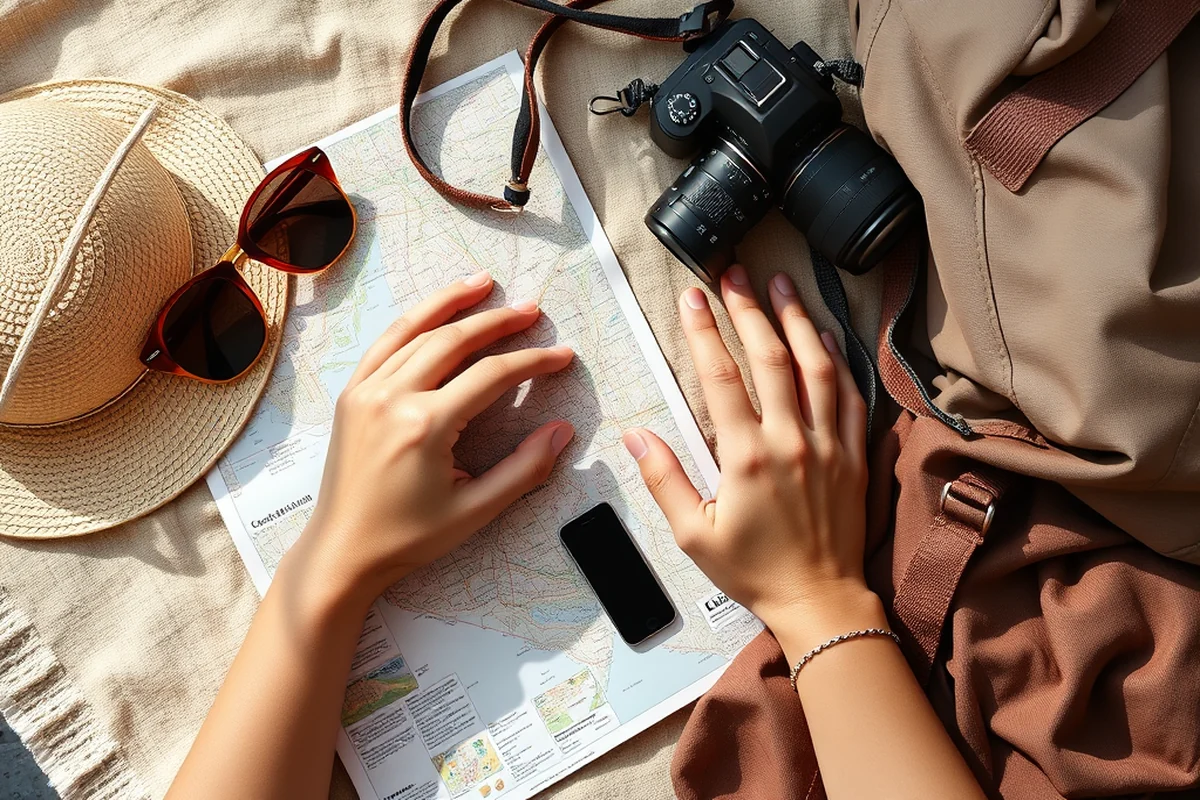
I’ve been using travel apps like Roadtrippers and Google Maps to find the best food stops along our route. These apps also help me track how much time we’re spending at each stop, which is useful for staying on schedule.
There are also apps that help you plan meals in advance, like Mealime or Yazio. These tools can generate a weekly meal plan based on your budget and dietary needs. I’ve found that having a meal plan makes it easier to stick to a budget and avoid last-minute spending.
I also use budgeting apps like Mint or YNAB to track our travel expenses in real time. It’s a small investment, but it’s made a huge difference in keeping our food budget under control.
Related: Budget family travel food step by step
Stay Hydrated and Save Money at the Same Time
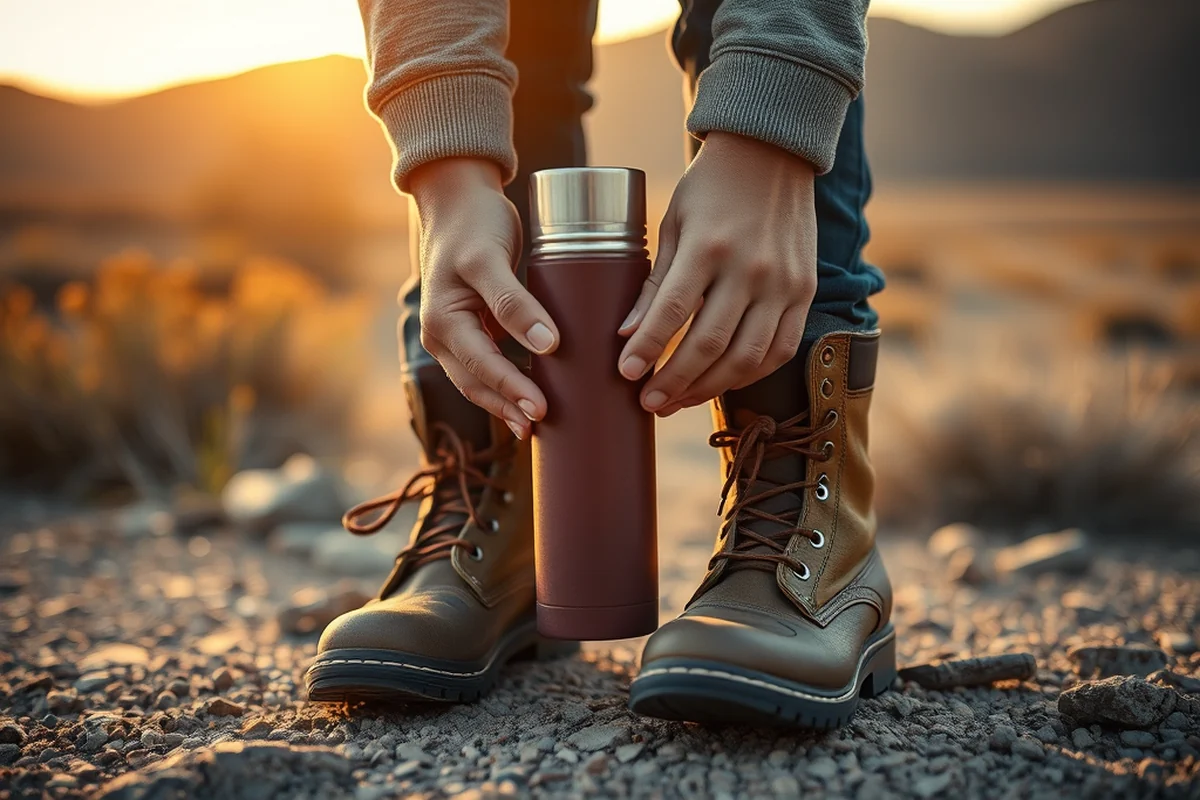
I’ve learned that staying hydrated can be both a health and a budgeting tip. Buying bottled water at gas stations or roadside stops can add up quickly, so I’ve started carrying a large reusable water bottle for each person in the family.
I also fill up at gas stations where the water is free or low-cost, and I use a filtration system for tap water when possible. This has saved us over $100 on bottled water alone in the last year.[2]
Staying hydrated not only keeps your family feeling better on the road, but it also helps you avoid the urge to overeat or make expensive food choices when you’re not properly hydrated.
🚗 Budget-Friendly Road Trip
Traveling with minimal funds but maximum family fun. Focus on packed meals, roadside dining, and free activities.
🌴 Weekend Getaway
A quick, affordable trip with a balance of relaxation and sightseeing. Prioritize meals that can be eaten on the go.
🌄 Family Adventure Trip
A trip focused on exploration and learning. Include meals that fuel energy for hiking, biking, or other activities.
🍂 Off-Season Travel
Traveling during the off-season can lead to lower food costs and more flexible choices at restaurants.
💎 Luxury Family Getaway
A more indulgent trip with high-quality food stops and accommodations, but still within a planned budget.
| The mistake | Why it happens | The fix |
|---|---|---|
| Not planning a food budget in advance | Without a budget, it's easy to overspend on expensive meals and snacks during the trip. | Set a daily food budget and track your expenses in real time using a spreadsheet or app. |
| Relying too much on fast food | Fast food is often more expensive and less healthy, which can lead to higher costs and lower satisfaction with your meals. | Balance your food stops by including a mix of fast food, convenience store meals, and pre-packed snacks. |
| Choosing food stops based on price alone | Low-cost food stops may not always provide the best quality or service, leading to a less enjoyable experience for your family. | Research food stops in advance and read reviews to ensure you're choosing places with good value and quality. |
| Neglecting to stay hydrated | Not staying hydrated can lead to increased hunger and a greater likelihood of making expensive food choices. | Carry reusable water bottles and fill up at free or low-cost water stations to stay hydrated without spending money. |
Related: Simple budget family travel food stops
How To Budget Family Travel Food Stops
Related: Budget family travel food that actually work
Leverage Local Markets for Authentic and Affordable Eats
Local markets offer fresh, affordable food and unique cultural experiences for families on the go.
I’ve found that local markets are a goldmine for budget-friendly meals and an opportunity to immerse our family in the local culture. By purchasing fresh produce, bread, and pre-made sandwiches, we’ve cut our food costs by up to 40% compared to eating out at tourist traps. Plus, we’ve learned to cook simple meals in our hotel rooms using these ingredients, which has saved us both time and money. I always make a point to visit the market early in the morning when prices are lower and the selection is freshest.
Shopping at local markets also helps us avoid the markup that comes with tourist-oriented food stops. For instance, during a trip to Mexico City, we bought ripe mangoes and avocados for less than half the price we’d have paid at a street vendor. We even picked up a few affordable snacks like tamales and churros to enjoy during our day trips. This approach has become a staple in our travel routine, especially in places with vibrant markets and a strong local food scene.
In addition to saving money, these stops have turned into cherished family moments. We often involve our kids in the selection process, teaching them about local ingredients and cooking techniques. It’s a way to make travel more educational and engaging for them. Plus, cooking together in our hotel room has become a bonding experience that we look forward to on every trip. The combination of affordability, authenticity, and family time makes local markets an essential part of our food budgeting strategy.
Common Questions
How much should I budget per person for food stops?
What are the best food stops for saving money?
How can I reduce the number of food stops I make?
What apps can help with food stop planning?
References
- Indicators of Human Trafficking | US Department of Transportation (transportation.gov)
- Food Swamps and Transportation Access: Intersecting Structural ... (pmc.ncbi.nlm.nih.gov)
Cite this guide
Familyonadime (2026). How To Budget Family Travel Food Stops. https://familyonadime.com/how-to-budget-family-travel-food-stops/
Feel free to cite or share this guide.