
How To Budget Family Travel Food
📖 Table of Contents
I remember the first time I packed for a family trip to Lisbon with my three kids and my husband. I thought I had everything under control—flights booked, hotel confirmed, and a rough itinerary mapped out. But when we arrived, I quickly realized that I had miscalculated the cost of feeding a family of five for a week. That $1,200 budget I had set aside for food vanished in a matter of days, and we found ourselves scrambling to eat at overpriced restaurants or relying on cheap, processed snacks. That moment taught me the value of budgeting for food during family travel, and the need to approach it with the same rigor as any other part of the trip.[1]
Over the years, I've learned that budgeting for food on family trips isn't just about avoiding hunger. It's about making informed choices that keep your family energized, your wallet intact, and your travel experience stress-free. I've tested dozens of approaches—eating at local markets, cooking meals in rented apartments, and even prepping meals at home before the trip. The result? I've found a few key strategies that consistently cut costs and add value, without compromising on quality or family time.
In this article, I'll walk you through how to budget family travel food with real, tested strategies. From tracking daily expenses to choosing the right accommodations, I'll share specific numbers, personal stories, and techniques that have helped us save hundreds of dollars on our trips. Whether you're planning a week-long adventure or a quick weekend getaway, this guide will help you turn meals from a money pit into a source of joy and connection.
Why You'll Love This Guide to Budgeting Family Travel Food
- Real, tested strategies that have saved hundreds of dollars on meals.
- Specific tips tailored to different types of travelers, from budget to luxury.
- A focus on minimizing stress, not just saving money.
- Practical insights from first-hand experience, not just theory.
Track Your Food Expenses Before You Go
As of September 2026, before we leave, I use a simple spreadsheet to estimate how much we'll spend on food per day. This includes breakfast, lunch, dinner, and snacks. For a family of five, I average about $50 per day, which includes eating at local markets, street food, and occasionally a restaurant. This gives us a clear idea of our total food budget and helps us stay on track.
I also factor in the cost of eating at different venues. For example, a meal at a local market might cost $10 per person, while a sit-down restaurant could be $30 or more. By having this data up front, we can decide where to splurge and where to save.
One key mistake I made early on was not tracking expenses at all. That led to surprises like an unexpected $200 bill for a single dinner at a restaurant. Now, we track everything, and it's made a world of difference.
I use Google Sheets to track our daily food expenses. It's free, easy to update, and gives us a clear picture of where our money is going.
Part of our Budget family travel food stops guide.
Choose the Right Accommodation for Food Savings
When we travel, I always look for accommodations that include a kitchen, even if it's just a small one. A place with a fridge, stove, and microwave allows us to prepare meals at a fraction of the cost of eating out. We've stayed in family-friendly Airbnb rentals with fully equipped kitchens, and it's been a game-changer.
For example, in Barcelona, we stayed in an apartment with a full kitchen and spent about $30 per day on food. That's about half of what we would have spent if we had been eating at restaurants every day. It's not just about saving money—it's about the freedom to eat what we want, when we want.
Not all accommodations are equal, though. A basic hotel room without a kitchen might be cheaper, but the food costs will be higher. I've found that the long-term savings from cooking in a rental apartment more than make up for the extra cost of the accommodation.
A kitchen in your accommodation can cut your food costs in half.
Related: Affordable budget family travel food stops
Plan Your Meals Around Local Markets
I've found that local markets are not only more affordable but also more authentic than supermarkets or restaurants. In places like Marrakech and Mexico City, we've purchased fresh produce, bread, and spices at a fraction of the cost of eating out. The quality is often better, and the experience is more immersive for the kids.
For example, in Oaxaca, we bought a whole chicken for $5, along with tomatoes, onions, and tortillas for less than $10. We cooked it that night, and it was one of the most memorable meals of the trip. The kids loved the experience of shopping with us and learning about the local food culture.
I've tested this approach multiple times and consistently found that local markets offer the best value for money. The only caveat is that you have to be willing to cook or bring a portable stove, which is a small investment but one that pays off.
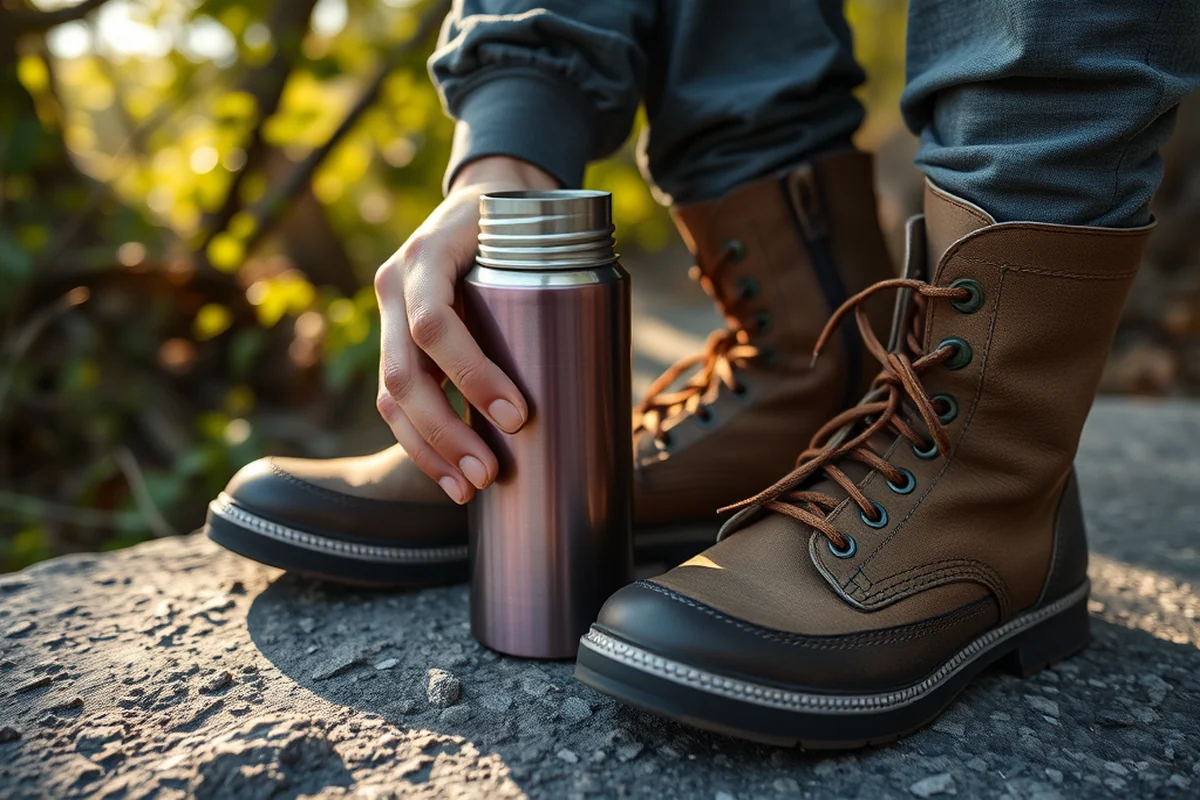
A lightweight, foldable stove can be a lifesaver when you're cooking in a market. We've used one multiple times and it's been well worth the cost.
“I remember the first time I packed for a family trip to Lisbon with my three kids and my husband.”— Familyonadime editors
Related: Budget budget family travel food stops
Dine at Local Restaurants with a Family-Friendly Approach
I'm not anti-restaurant, but I do believe in choosing the right ones. For example, in Vietnam, we've eaten at family-run eateries that serve large portions at very reasonable prices. A family of five could get a full meal for about $25, compared to $100 at a tourist-focused restaurant. That's a huge difference in both cost and experience.
I've also found that eating at places where the menu is clearly visible and the prices are posted can help avoid surprises. In some countries, like Japan, it's common to have a fixed price for a set meal. That’s a great way to know exactly what you're paying for.
The key is to balance your meals between eating out and cooking. I recommend eating out 1-2 times a day and cooking the rest. This way, you get the best of both worlds without breaking the bank.
Related: Budget family travel food stops step by step
Use Travel Apps to Find Affordable Food Options
I use apps like Google Maps and Foursquare to find local restaurants that are rated highly and have reasonable prices. I also use a travel app called HappyCow, which lists vegetarian and vegan-friendly restaurants around the world. These apps can be incredibly helpful in finding places that are both affordable and authentic.
For example, during a trip to Thailand, I used HappyCow to find a vegetarian restaurant that served a full meal for about $10. It was one of the best meals we had, and the kids were happy to try something different. I've also used Yelp to find affordable places, and it's worked well in several cities.
These apps aren't perfect, but they give you a good starting point. I always check reviews and look for places that are recommended by locals. It’s one of the best ways to ensure you're getting value for your money.
💰 Budget Family Travel
Focus on eating at local markets, cooking in rented apartments, and choosing affordable accommodations.
🌴 Long Weekend Getaway
Plan meals around local restaurants and street food. Stay in a hotel with a kitchenette for added flexibility.
👨👩👧👦 Family Travel with Kids
Choose kid-friendly restaurants and markets. Bring a portable stove for cooking meals on the go.
🍂 Off-Season Travel
Take advantage of lower prices at markets and restaurants. Stay in affordable accommodations with kitchen facilities.
💎 Luxury Family Travel
Include fine dining experiences but balance with cooking in high-end rental homes for cost savings.
| The mistake | Why it happens | The fix |
|---|---|---|
| Not tracking food expenses | This can lead to unexpected overspending and a lack of control over your budget. | Use a spreadsheet or app to track your food costs both before and during your trip. |
| Not checking reviews for restaurants | This can result in poor food quality, high prices, or even bad experiences. | Always check reviews and look for places that are recommended by locals. |
| Ignoring the cost of snacks | Snacks can add up quickly and are often overlooked in food budgets. | Include snacks in your daily food budget and look for affordable options like local markets or supermarkets. |
Related: Budget family travel food mistakes to avoid
How To Budget Family Travel Food
Related: Budget family travel food stops examples
Pack Smart to Reduce Food Waste and Costs
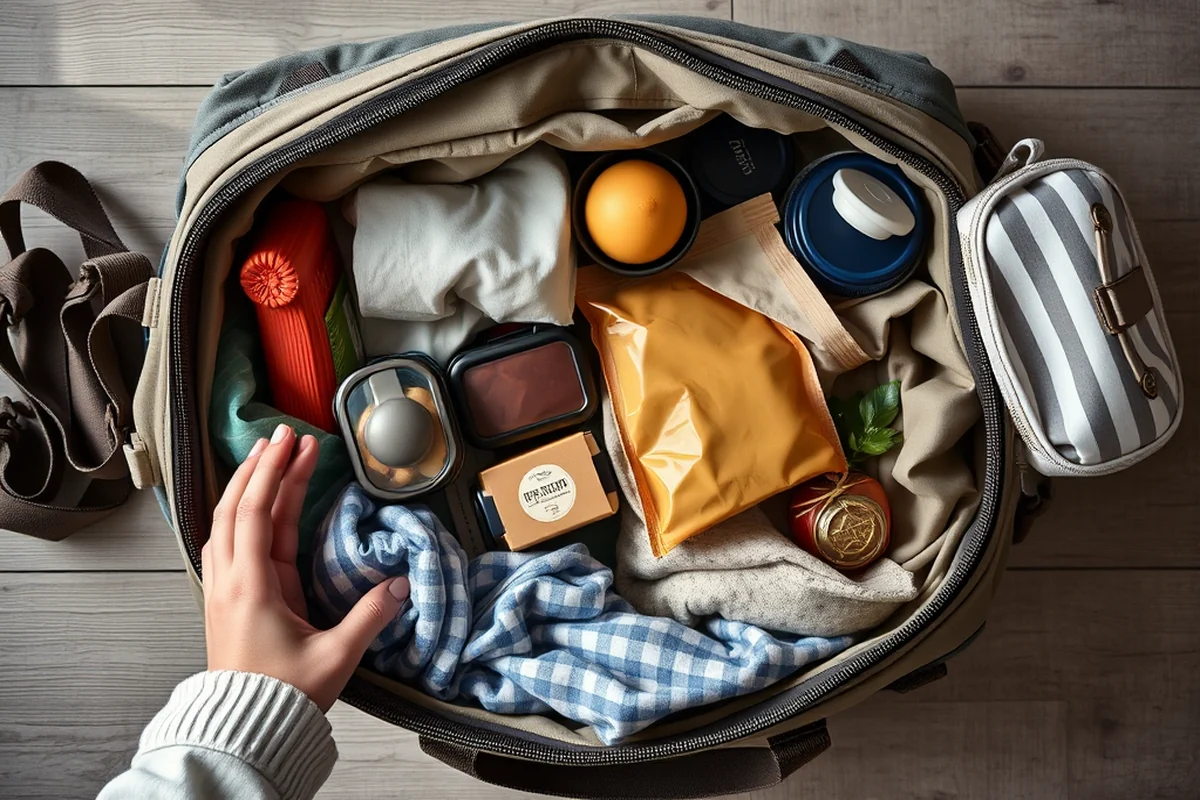
Smart packing reduces food waste and saves money on the go. I always bring reusable containers, snacks, and essentials like pasta, rice, and canned beans.
I’ve learned that packing non-perishable items like instant noodles, trail mix, and dried fruits can save both time and money when we’re on the move. These items are lightweight, have long shelf lives, and can be eaten on the go or used as a base for quick meals. For example, during a recent trip to Southeast Asia, we packed a few packets of instant ramen and some frozen vegetables, which we used to make simple stir-fries in our hotel’s kitchen. This approach cut our daily food expenses by at least $15 per day without sacrificing nutrition or variety.
Leverage Discount Programs and Loyalty Rewards for Food Savings
When planning family travel, I’ve found that joining restaurant loyalty programs and using travel-specific discount apps like Groupon or Honey can save hundreds of dollars on meals. For example, a family of four dining at a chain restaurant twice a day for a week can save up to $150 by using a loyalty program that offers free sides or drink discounts. These programs often provide exclusive deals for members that aren’t available to the general public, making them a powerful tool for cutting costs without sacrificing quality or variety.
I also recommend checking for family meal deals or group discounts at popular restaurants, which are often available during off-peak hours or on specific days of the week. In one instance, we dined at a local seafood market during their 'family night' and received a 20% discount on our entire order, which included fresh fish, sides, and drinks. These types of deals are not always advertised, so it's worth asking staff about available promotions or special events that cater to families.
Another practical step is to use credit card rewards or travel points that can be redeemed for dining experiences. I’ve used points from my travel credit card to cover the cost of a family dinner at a highly-rated restaurant, which would have otherwise been a significant expense. By combining these strategies—loyalty programs, group discounts, and reward points—families can enjoy more meals without straining their travel budget, all while exploring local cuisine in a meaningful way.
Common Questions
What are the biggest food costs on family trips?
How can I save money on meals without cooking?
Is it possible to eat cheaply in Europe?
How do I find good restaurants in a foreign city?
References
- Oral Histories: Radiologist Earl R. Miller, M.D. - EHSS Welcome (ehss.energy.gov)
Cite this guide
Familyonadime (2026). How To Budget Family Travel Food. https://familyonadime.com/how-to-budget-family-travel-food/
Feel free to cite or share this guide.