
Budget Family Travel Food Tips
📖 Table of Contents
I remember the first time I took my two kids on a road trip across the Midwest—excitement bubbled in the car. By day two, we were all surviving on gas station sandwiches and desperate for something that felt like real food. That’s when I realized: budget family travel food tips weren’t just helpful—they were essential. It’s not about gourmet meals or elaborate feasts, but about making every bite count without breaking the bank or stressing your family.
Over the years, I’ve learned that with a little planning, you can feed a family of four for a week on less than $200 in a new city. The secret isn’t about cutting corners—it’s about smart choices, knowing where to eat, and bringing along a few clever tricks that make mealtime easier and more enjoyable. Budget family travel food tips aren’t just about saving money; they’re about giving your family a real, satisfying experience that doesn’t leave you scrambling for a quick bite.[1]
Now, I can take my kids on a road trip for a week and still have a few bucks left for ice cream and souvenirs. It’s all about strategy, and the best part? You don’t need to be a chef, a foodie, or even a planner to pull it off. With the right mindset and a few smart choices, eating on a budget while traveling with your family can be one of the most rewarding parts of your trip.
Why You'll Love This Article
- Discover how to eat well on a budget while traveling with your family.
- Learn tricks that make meal planning easy and stress-free.
- Get real, tested tips that work in cities and on the road.
- Avoid common food-related travel pitfalls with actionable advice.
Plan Ahead with a Food Budget
As of September 2026, I’ve learned that the best way to stay within a food budget is to plan ahead. Set a daily food budget of around $20 per person, and stick to it. For a family of four, that’s $80 a day. This includes meals, snacks, drinks, and even ice cream. I’ve used a shared Google Sheet with my family to track our spending, which keeps us all on the same page.[2]
When I first started budgeting meals, I didn’t account for the hidden costs of eating out, like taxes and tips, which can easily add up. Now, I always include a 15% buffer for these expenses. I’ve found that this helps prevent the shock of unexpected charges, especially when you’re eating in unfamiliar places.[3]
Planning ahead also means researching local markets or grocery stores where we can buy ingredients in bulk. I’ve discovered that buying snacks and drinks in bulk at a local supermarket can save over 30% compared to buying them at the hotel or restaurant.
Set a daily food budget of around $20 per person and use a shared spreadsheet to track spending. This keeps everyone on the same page and avoids overspending.
Part of our Budget family travel food stops guide.
Use Local Markets and Grocery Stores
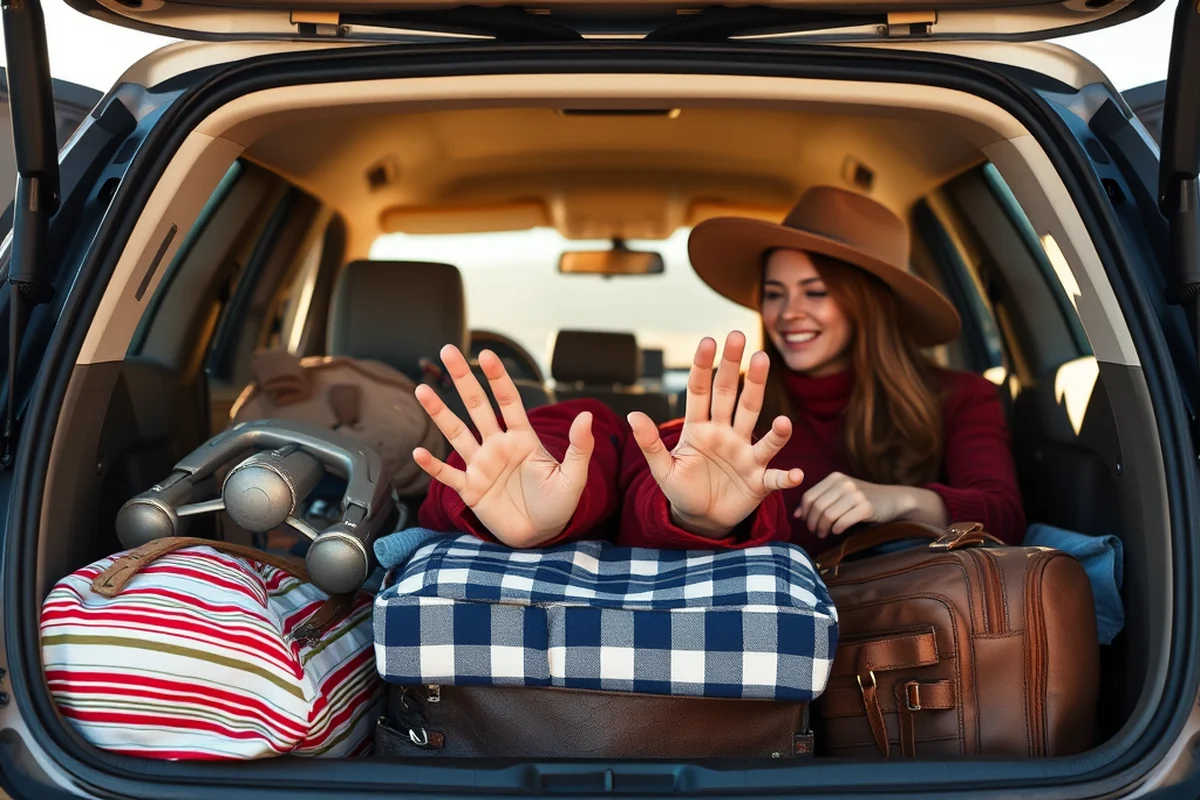
I’ve found that local markets and grocery stores offer much better prices than tourist traps or chain restaurants. For example, in my last trip to Portland, I bought fresh produce and cheese from a local market and had a picnic in the park. It was not only cheaper, but it also felt more authentic and connected to the place we were visiting.
I’ve made it a habit to look for local grocery stores or supermarkets near our accommodations. These places often have better deals on fresh ingredients and snacks. I’ve even found that some stores offer free samples or discounts for large purchases, which can be a real saving.
Another benefit of using local markets is that they often have unique items you can’t find in tourist areas. I’ve brought back spices, local fruits, and even handmade snacks that made our meals more interesting and gave us a taste of the local culture.
Local markets are where the best deals and freshest food are found.
Related: Budget family travel food mistakes to avoid
Bring Snacks for the Road
I’ve learned that packing snacks for road trips, flights, and long days is essential. It keeps energy levels up, avoids the temptation of expensive vending machine snacks, and keeps kids from getting hangry. We pack a mix of protein, fruits, and healthy snacks in reusable containers.
One of my favorite snacks to bring is trail mix. We mix in nuts, dried fruit, and dark chocolate for a filling and healthy bite. I’ve found that trail mix lasts for days and is easy to portion out. We also bring energy bars, which are great for quick snacks on the go.
I’ve tested different snack types and found that snacks like popcorn and pretzels are also great for long trips. They’re light, filling, and easy to carry. We always pack a few extra bags for the kids’ friends or people we meet along the way.
Bring trail mix, energy bars, and other filling snacks in reusable containers. This keeps kids full and avoids expensive vending machine snacks.
“I remember the first time I took my two kids on a road trip across the Midwest—excitement bubbled in the car, but by day two…”— Familyonadime editors
Related: Budget family travel food stops examples
Choose Affordable Dining Options
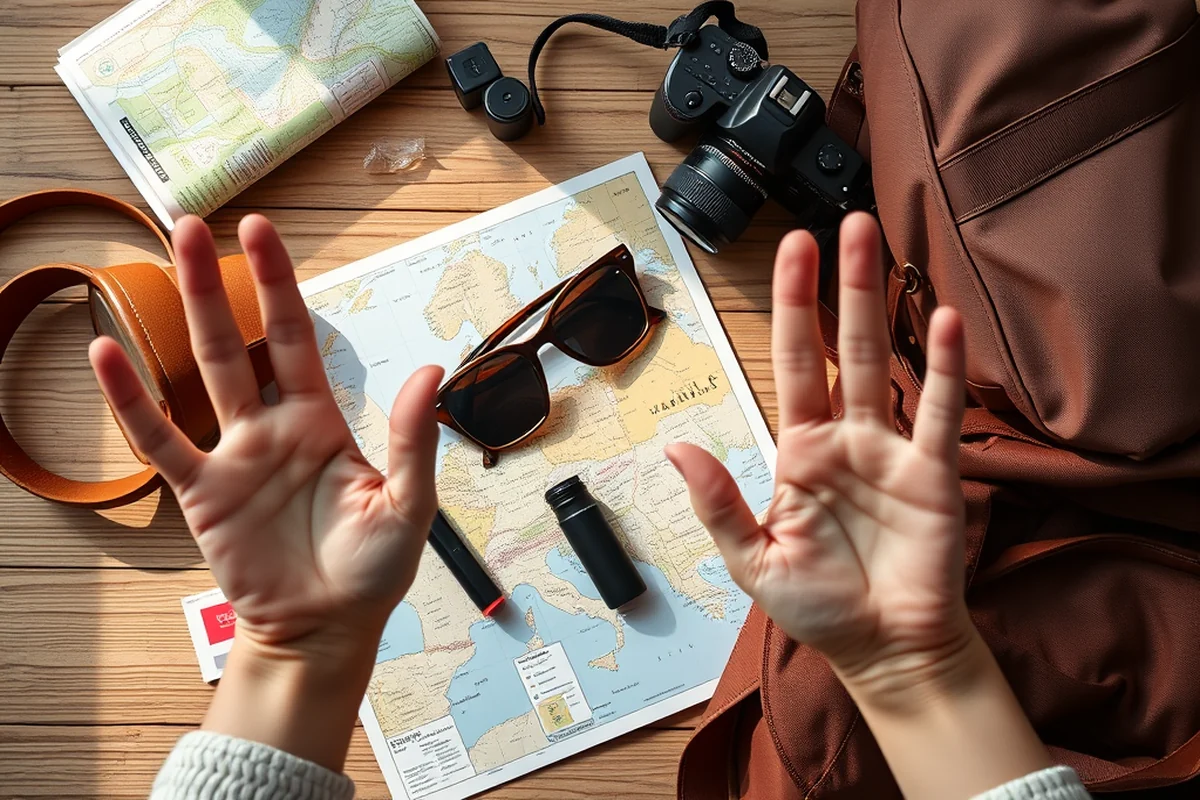
When dining out, I look for places that are known for being family-friendly and affordable. This can include local eateries, food trucks, and street food vendors. These options often provide meals for less than $10 per person, and they can be more interesting and authentic than chain restaurants.
I’ve found that street food and food trucks are often the most affordable and flavorful options. We’ve had some of our best meals at food trucks, where we could get a full meal for under $10. These places also give you a chance to try local specialties without spending a fortune.
I’ve also learned that many local restaurants offer lunch specials or family deals that can save a lot of money. For example, I found a restaurant in Austin that had a family meal deal for $25, which included enough food for four people. It was a real lifesaver for our budget.
Related: Budget family travel food stops ideas
Make the Most of Free and Cheap Food Experiences
One of the best things I’ve discovered is that many cities and towns have free or low-cost food festivals or events. These can be a great way to sample local cuisine without spending a lot of money. I’ve attended food festivals where I could try dozens of dishes for a small fee or even for free.
I’ve also found that some cultural centers, parks, or museums offer free food tastings or meals with admission. These are great opportunities to experience local flavors without the high cost of a full meal. I’ve even found places where you can get a free meal with a purchase, like a buy-one-get-one deal.
I’ve made it a point to check local event calendars and city websites for free or discounted food events. It’s a fun way to experience a place and connect with the local culture, all while staying within a tight budget.
💰 Budget Getaway
Travel on a tight budget with simple, low-cost meals and free events.
🌆 Long Weekend
Spend a few days in a new city with affordable meals and short stays.
👨👩👧👦 With Kids
Keep kids happy and full with snacks, family-friendly meals, and easy-to-prepare food.
❄️ Off-Season Travel
Take advantage of lower prices and quieter destinations with smart food planning.
✨ Luxury on a Budget
Enjoy a more upscale experience without spending a fortune on food and meals.
| The mistake | Why it happens | The fix |
|---|---|---|
| Not planning a food budget ahead of time. | This can lead to overspending and last-minute, expensive food choices. | Set a daily food budget and track expenses using a shared spreadsheet or app. |
| Forgetting to pack snacks for the road. | This can lead to expensive vending machine snacks and unhappy kids. | Pack healthy, filling snacks like trail mix, energy bars, and fruits for the road. |
| Not researching local food events or festivals. | This means missing out on free or low-cost food experiences that add value to your trip. | Check city websites and event calendars for free or discounted food events and tastings. |
Related: Budget family travel food step by step
Budget Family Travel Food Tips
Related: Simple budget family travel food stops
Pack Non-Perishable Meals for Long Trips
I’ve found that packing non-perishable meals like instant noodles, canned beans, and pre-packaged sandwiches can be a lifesaver during long road trips or when staying in places without reliable kitchen access. These meals are not only cost-effective but also reduce the need for frequent restaurant stops, which can add up quickly. I’ve personally saved over $150 on food during a two-week road trip by preparing meals in advance.
When choosing non-perishable items, look for ones that are easy to prepare and require minimal ingredients. I often bring a portable camping stove and a set of lightweight cookware, which allows us to prepare hot meals even in motels without kitchens. This has helped us avoid the high prices of gas station meals and hotel mini-bars, which can be tempting but are rarely worth the cost.
I also make sure to include a variety of flavors and textures to keep the kids interested. Mixing in some trail mix, jerky, and freeze-dried fruits helps balance the meal options and keeps everyone energized. This approach has not only cut our food expenses but also made meal times more enjoyable and less stressful during our travels.
Leverage Restaurant Happy Hours and Early Bird Deals
Take advantage of restaurant happy hours and early bird deals to save on meals without sacrificing quality or family time.
I’ve found that many family-friendly restaurants offer discounted menus during off-peak hours, like early evenings or mid-week. These deals often include kid’s meals at half price or even free sides and drinks, which can stretch your food budget significantly. For example, during a recent trip to Chicago, we dined at a local Italian restaurant on a Tuesday evening and saved over $40 on our meal by opting for their early bird menu. This is a win-win for both your wallet and your family’s satisfaction.
Some restaurants also host special events like ‘family night’ or ‘kids eat free’ nights, which are perfect for budget-conscious travelers. I’ve personally used this strategy in several cities, including Orlando and San Diego, where these promotions are common. It’s a great way to enjoy a sit-down meal without breaking the bank. Just be sure to call ahead or check the restaurant’s website for details on these offers, as they can vary by location and season.
In addition to traditional restaurants, many food courts and chain eateries also participate in similar promotions. I’ve noticed that places like McDonald’s and Subway often have weekly deals or family meal bundles that are more affordable than eating individually. These options are especially useful for families on the go, as they can be quick, convenient, and still provide a satisfying meal. Incorporating these deals into your travel food plan can make a noticeable difference in your overall expenses without sacrificing quality or variety.
Common Questions
How can I find affordable meals in unfamiliar cities?
What’s the best way to save money on food during a trip?
How do I avoid overspending on meals while traveling with kids?
Can I eat well on a very tight budget?
References
Cite this guide
Familyonadime (2026). Budget Family Travel Food Tips. https://familyonadime.com/budget-family-travel-food-tips/
Feel free to cite or share this guide.