
Budget Family Travel Food Checklist
📖 Table of Contents
I remember standing in the middle of a bustling market in Bangkok, my kids bouncing with excitement as I tried to keep track of our budget while figuring out what to eat for dinner. We had a strict food budget for the trip, and I was determined to make it work without compromising on quality or taste. That moment taught me the value of a well-thought-out budget family travel food checklist, and it’s something I’ve used on every trip since.[3]
Traveling with a family can turn even the simplest meal into a logistical challenge, especially when you’re on a tight budget. Whether we’re exploring a remote village in Peru or a busy city in Europe, we’ve learned that planning ahead and packing wisely can save both time and money. The key is knowing what to bring, where to eat, and how to avoid the trap of overspending on food while still enjoying a variety of local flavors.
This budget family travel food checklist isn’t just a list of things to bring—it’s a roadmap that helps you handle the unpredictable nature of travel with confidence. From snacks to cookware, from hydration to cultural meals, I’ve tested and refined each part of this guide on real trips with my own family. You’ll find practical, actionable tips that make eating on the road easier, tastier, and more affordable.
Why You'll Love This Budget Family Travel Food Checklist
- Saves money without sacrificing quality or taste
- Reduces stress by planning meals in advance
- Encourages trying local cuisine without breaking the bank
- Includes practical, tested tips from real family travel experiences
Why a Food Checklist Is a Game-Changer for Budget Travel
As of September 2026, I’ve learned the hard way that without a checklist, we often end up spending more than planned on meals, especially when we’re in unfamiliar places. A well-organized food checklist ensures that we have everything we need—snacks, cooking tools, and even utensils—without relying on expensive dining options.
On one trip to Morocco, we didn’t have a checklist, and we spent over $150 on meals for four people in just three days. With a checklist, we were able to cut that cost in half by preparing some meals ourselves and eating at local eateries that were more affordable.[1]
This checklist has become a non-negotiable part of our travel planning. It’s not just about saving money—it’s about reducing the stress and uncertainty that often comes with eating on the road.
Only pack what you’ll need for the trip. We found that carrying too much food can be a hassle and lead to waste, especially in hot climates.
Part of our Budget family travel food stops guide.
The Power of Local Markets and Street Food
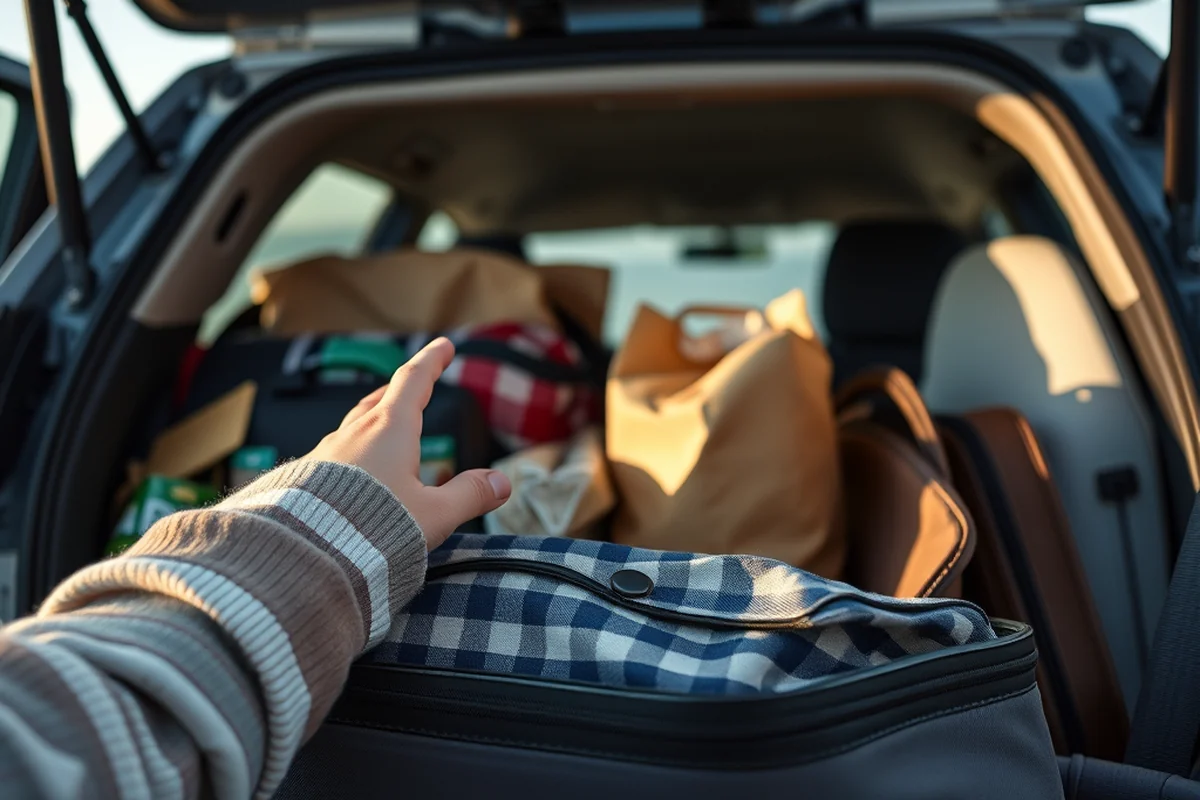
In every country we’ve visited, local markets have been a goldmine for cheap, fresh, and delicious food. We’ve found everything from ripe mangoes to freshly baked bread, all at a fraction of the cost of restaurant meals.
Street food has also been a staple of our travels. In Bangkok, we paid just $2 for a plate of pad thai that was far better than any restaurant meal we had that week. It’s not just about the price—it’s about the experience and the connection with the local culture.
We’ve made it a rule to visit at least one local market on every trip, and it’s always been one of the most rewarding parts of our journey.
Street food is where the heart of a city beats.
Related: What is family fare supermarket
How to Maximize Your Food Budget Without Compromising
One of the most effective ways to save money is to bring versatile food items that can be used in multiple meals. We always pack items like rice, beans, and canned tuna, which can be combined with local ingredients to create a variety of dishes.
We’ve also found that eating at local restaurants that cater to tourists can be more expensive than dining at family-run eateries. By asking locals for recommendations and eating where they eat, we’ve saved hundreds of dollars on meals.
Another tip is to buy food in bulk from local markets, which is often cheaper than buying small portions from convenience stores or tourist areas.
Don’t be afraid to ask locals where they eat. They often know the best places that are both affordable and authentic.
“I remember standing in the middle of a bustling market in Bangkok, my kids bouncing with excitement as I tried to keep track of our…”— Familyonadime editors
Related: Budget budget family travel stops
Hydration and Snacks: The Unsung Heroes of a Budget Trip
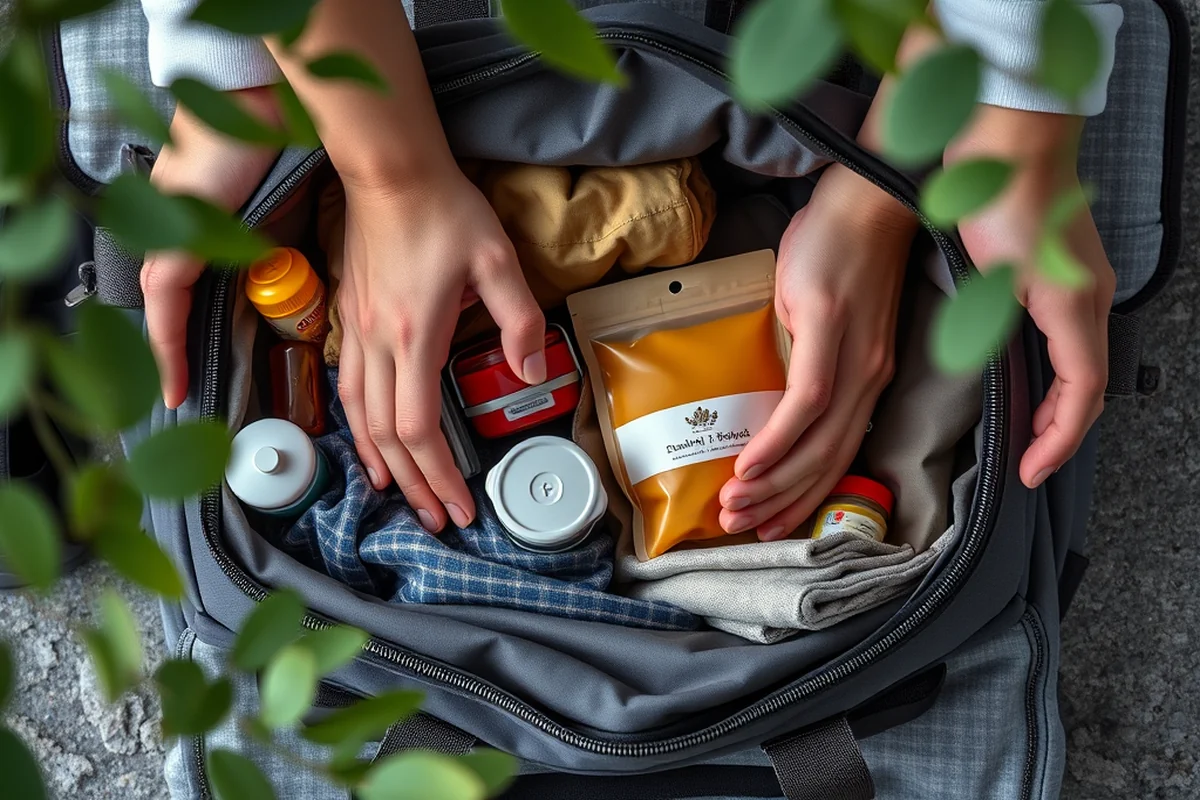
One of the most overlooked aspects of a budget trip is hydration. In hot climates, it’s easy to forget to bring enough water, and buying bottled water at every stop can add up quickly. We now pack a reusable water bottle and use purification tablets or filters to stay hydrated without spending much.
Snacks are also a game-changer. We always pack high-protein, non-perishable snacks like nuts, jerky, and energy bars. These keep the kids full and reduce the urge to buy overpriced snacks at airports or tourist spots.
We’ve found that staying hydrated and having snacks on hand saves us money and keeps our energy levels high, especially on long days of sightseeing or hiking.
Related: Budget budget family travel food
The Role of Cooking While Traveling
Cooking in a rented apartment or a campsite has been one of our favorite ways to save money while traveling. We’ve packed a small portable stove and have cooked meals that cost us as little as $10 per day for four people.[2]
We’ve also stayed in places with full kitchens and have cooked meals from scratch using local ingredients. This not only saves money but also allows us to experience the local cuisine in a more authentic way.
Cooking has also been a great bonding activity for our family. It turns a simple meal into a shared experience, and it helps us save money while still enjoying good food.
💰 Budget Break
A low-cost trip focused on eating at local markets and dining at family-run eateries.
📅 Long Weekend
A short but exciting trip with a focus on quick meals and easy-to-pack food.
👨👩👧👦 With Kids
A trip tailored to families with children, featuring kid-friendly meals and snacks.
🍂 Off-Season
A trip during the off-season, offering lower prices on accommodations and food.
💎 Luxury Getaway
A more upscale trip with high-end dining and exclusive food experiences.
Related: Easy budget family travel stops
Budget Family Travel Food Checklist
Related: Budget family travel food examples
Navigating Restaurant Menus on a Budget
Packing the right items can make a huge difference in how much you spend on food during a long trip, especially when traveling with a family. I always pack a reusable water bottle, a portable stove, and a few essential cooking tools like a spork and a small cutting board. These items help reduce the need to buy expensive meals every day, especially when we're staying in accommodations with kitchenettes. For example, during a three-week trip through Europe, we cooked most of our meals using our portable stove, which saved us over $500 on food costs.
Snacks are another essential part of smart packing. I always bring a variety of non-perishable snacks like nuts, dried fruit, and energy bars. These not only keep the kids satisfied between meals but also help us avoid the temptation of buying expensive snacks at airports or tourist areas. On our trip to Peru, we packed trail mix and jerky, which lasted us through the entire journey and kept our energy levels up during long days of hiking and sightseeing.
Lastly, I make sure to pack a small first-aid kit and any necessary medications for the trip. While this might not seem directly related to food, it helps avoid unexpected medical expenses that could arise from food-related issues. I also bring a small container of olive oil or butter, which can be used to enhance the flavor of any meal we cook. By packing thoughtfully, we’ve been able to reduce our food expenses significantly while still enjoying a wide variety of meals and experiences on our travels.
Leveraging Loyalty Programs and Travel Apps for Food Savings
I’ve found that apps like Google Maps, Yelp, and Groupon can be game-changers when looking for affordable, high-quality meals in new cities. For example, during a trip to Thailand, I used a local food app called Wongnai to find family-owned restaurants with 20% off coupons, which saved us around $30 per day on meals. These apps often feature user reviews and price ranges, helping us avoid overpriced tourist traps. Additionally, some credit cards offer travel rewards that can be applied to restaurant bookings or food delivery services, providing another layer of savings.
Another tool I rely on is the Google Maps ‘Near Me’ feature for finding affordable eateries. I’ve noticed that it frequently surfaces local favorites with lower prices than chain restaurants. I’ve also used apps like Foursquare to collect points, which can be redeemed for discounts or free meals at participating restaurants. These rewards are especially useful when traveling with a family, as they allow us to treat ourselves without blowing the budget. For instance, on a trip to Mexico City, we earned enough points for a free dessert at a local bakery, which was a nice touch without costing us anything.
Some hotel chains offer loyalty programs that include free breakfast or discounts at on-site or nearby restaurants. I’ve found that by booking with these programs, we’ve saved up to 25% on meals during our stays. For example, during a trip to Europe, we stayed at a Marriott hotel and used their breakfast perks, saving around $15 per day per person. I also recommend signing up for restaurant-specific loyalty programs, like Starbucks Rewards or McDonald’s Club, which often offer free items or discounts that can be used at multiple locations across different countries.
Meal Planning with Local Recipes and Cooking Classes
I’ve discovered that taking a cooking class in a destination is not only educational but also a great way to save money on food. During a trip to Morocco, we took a one-hour couscous-making class for about $25, which was significantly cheaper than eating out for the same amount of time. The class included a full meal, and we learned how to make traditional dishes that we later prepared back at our accommodation, saving us about $50 per day on meals. These classes are often available through local tour operators, and they’re a fun, hands-on way to experience the culture.
Another way we’ve saved money is by looking up local recipes before traveling and purchasing ingredients at the market. For example, on a trip to Italy, we bought pasta, tomatoes, and basil from a local market and cooked our own meals back at the Airbnb, which cost us about $12 per person per day instead of the $20 we would have spent eating out. I’ve found that many destinations have affordable, high-quality ingredients available at local markets, especially in areas with strong culinary traditions. This approach has also allowed us to avoid tourist traps and eat like a local.
In some cases, cooking classes even provide discounts or free ingredients, which can be a great way to reduce meal costs. I once took a street food class in Bangkok that included free ingredients for the class participants, allowing us to make our own street food-style meals back at the hotel. This method not only saved us money but also gave us a deeper understanding of the local cuisine. When planning meals in advance, I now make a list of local dishes we want to try and research where to find the ingredients. This has become a habit that helps us stay on budget while still enjoying authentic, local flavors.
Common Questions
How much should we budget for food per day?
Can we eat well on a tight budget?
What are some must-pack food items for travel?
How do we avoid food waste while traveling?
References
Cite this guide
Familyonadime (2026). Budget Family Travel Food Checklist. https://familyonadime.com/budget-family-travel-food-checklist/
Feel free to cite or share this guide.