
Budget Family Travel Packing Examples
📖 Table of Contents
The first time I packed for a family trip on a shoestring budget, I underestimated just how much a small suitcase could hold — and how much it couldn’t. My son’s soccer gear, my wife’s hiking boots, my own laptop, and the ever-present snacks for the car ride all seemed to demand their own space. But after a few trial runs, I learned the hard way that packing efficiently isn’t just about space — it’s about strategy, priorities, and knowing what to leave behind. These budget family travel packing examples have since become the foundation of our travel routine, and they’ve saved us both time and money.
Traveling with a family on a limited budget doesn’t have to mean sacrificing comfort or convenience. I remember one particular trip to a coastal town where we had to split our clothing across two suitcases and a backpack. By focusing on versatile, weather-appropriate clothing and reusing items like towels and sleeping bags, we managed to keep our expenses low and our sanity intact. The key lies in preparation — and I’ve spent the past few years refining a system that works for us. These budget family travel packing examples are grounded in real-world experience, not just theory.[1]
I still carry that same, slightly worn carry-on suitcase on every trip, but the way I pack has evolved. I’ve learned to prioritize comfort, reduce waste, and eliminate the unnecessary. Whether we’re heading to a beach destination or a mountain retreat, knowing exactly what to bring and what to skip has made a world of difference. These budget family travel packing examples are not only practical — they’re a lifeline for any parent who’s ever had to juggle a stroller, a diaper bag. A suitcase at the same time.
Why You'll Love This Approach to Family Travel Packing
- Saves money by reducing the need for last-minute purchases or extra luggage fees.
- Reduces stress by streamlining the packing process and minimizing clutter.
- Keeps your family comfortable with versatile, weather-friendly clothing choices.
- Encourages sustainable habits by reusing and repurposing travel essentials.
The Art of the Carry-On: What Fits, What Doesn’t
As of July 2026, I’ve learned the hard way that trying to fit everything into one suitcase can lead to a disaster — and not just in the airport. Overpacking leads to overweight fees, lost luggage, and the inevitable frustration of searching for that one missing item. Instead, I now use a three-tier system: the main carry-on holds clothing, the secondary bag handles electronics and travel documents, and a dedicated backpack carries the kids’ essentials. This method has kept our trips organized and efficient, even when we're flying with a young child.
For a four-day trip, I always bring three sets of clothing per person: one for the first day, one for the second and third days, and one for the return trip. This keeps the laundry to a minimum and avoids the need to buy new clothes on the go. I also make sure to include travel-sized toiletries, a reusable water bottle, and a foldable laundry bag for the inevitable dirty clothes. These small but thoughtful choices have made a big difference in our overall experience.
One of the most important lessons I’ve learned is that quality beats quantity. Instead of bringing a dozen different shoes, I now bring one versatile pair that can be worn for multiple occasions. This not only reduces the weight in my suitcase but also avoids the hassle of deciding what to wear each day. It’s a simple change, but it has significantly improved our packing efficiency and overall travel experience.
Assigning a color to each day’s clothing (e.g., red for day one, blue for day two) helps you quickly find what you need without rummaging through your suitcase. It also keeps things organized and reduces the chance of mixing up outfits.
Part of our Budget family travel packing gear guide.
The Power of Versatile Clothing
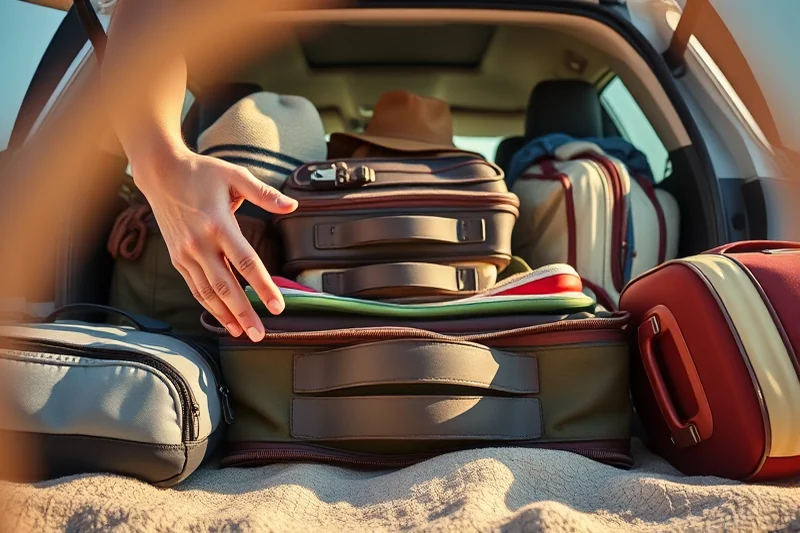
I remember the first time I packed three identical outfits for my son — and he wore them all three days. It was a small victory, but it showed me the power of versatile clothing. When you choose items that can be layered, mixed, and matched, you reduce the amount of clothing you need to bring and the time it takes to get dressed each morning. This is especially important when traveling with kids who often change clothes multiple times a day.
For adults, I now prioritize clothing that can be worn for multiple occasions — like a pair of jeans that can be dressed up with a blazer or dressed down with a t-shirt. This has saved us both time and money, as we can wear the same outfit on different days without feeling like we’re repeating ourselves. It also makes it easier to manage laundry, especially if we’re staying in a place with a washing machine.
One of the most versatile items I’ve ever packed is a long-sleeved shirt that can be worn as a light jacket, a t-shirt, or even as a dress shirt when paired with a belt and shoes. This single item has saved us from having to pack multiple tops and has made our packing process much more efficient. It’s a small investment that pays off in the long run.
Versatile clothing is the unsung hero of efficient packing.
Related: Budget Family Travel Gear Tips
Related: Best Budget Family Travel Packing
Related: Diy budget family travel packing gear
Related: Budget budget family travel packing gear
Related: Budget Family Travel Packing Gear For Small Spaces
Related: Best Cruises For Families
Related: Quick Budget Family Travel Packing
Related: Best Insurance Plans For Families
Related: Budget Family Travel With Printable
Related: Budget Family Travel Budget Examples
Related: What Is Budget Hotels
Related: Budget Family Travel Itineraries Examples
The Magic of Reusable Items
I used to pack disposable items for every trip, like paper towels, plastic bags, and single-use toiletries. But after a trip where we ran out of everything and had to buy replacements, I realized how much more efficient it was to bring reusable items. A set of reusable kitchenware, a few clean cloth towels, and a couple of reusable bags have become staples in my travel kit. They’ve saved us both money and time, and they’ve made our trips more sustainable.
When we travel, we always bring a set of reusable containers for storing food, a foldable dish rack for washing dishes, and a set of reusable straws for the kids. These items not only reduce the need for single-use plastics but also make it easier to manage our meals and snacks on the go. It’s a small change, but it has made a big difference in the way we travel.
One of my favorite reusable items to bring on trips is a set of travel-sized laundry bags. These have been a lifesaver when we’re staying in a place with a washing machine. They help keep our clothes organized and dry quickly, which is especially important when we’re on a tight schedule. It’s a small investment, but it’s one that pays off in the long run.
Bringing reusable items not only reduces waste but also reduces the number of things you need to pack. It’s a win-win for both your budget and the environment.
“The first time I packed for a family trip on a shoestring budget, I underestimated just how much a small suitcase could hold — and…”— Familyonadime editors
The Importance of Travel-Specific Gear
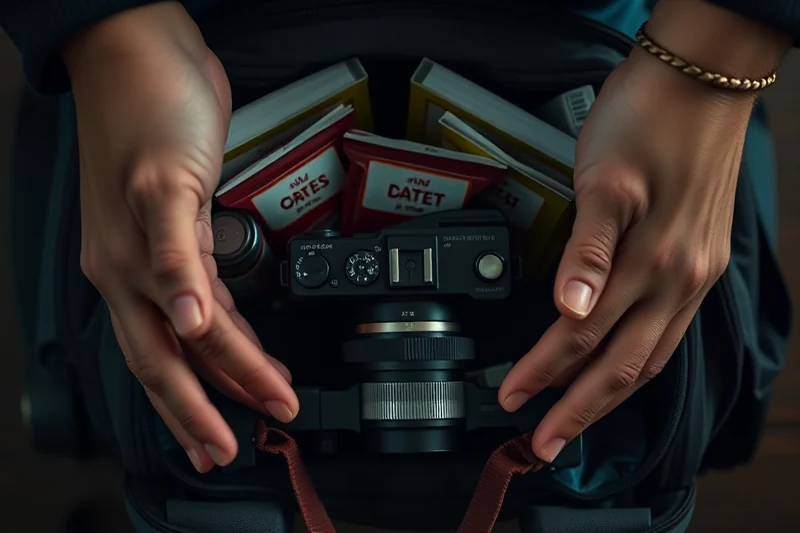
I used to bring regular luggage for every trip, but after a few mishaps with broken wheels and difficult-to-manage zippers, I switched to travel-specific gear. My favorite is a set of lightweight, rolling suitcases with TSA-approved locks and a built-in battery charger. These have made my trips much easier, especially when I’m on the go and need to charge my phone or laptop on the go.
For the kids, I now bring a set of lightweight backpacks with adjustable straps and multiple compartments. These have made it much easier to carry their essentials, and they’ve also reduced the weight on my back when we’re walking long distances. It’s a small change, but it has made a big difference in how comfortable we are on the go.
Another travel-specific item I now bring is a foldable daypack for the kids. This has been a lifesaver when we’re hiking or exploring and need to carry extra snacks, water, and small essentials. It’s also helped keep the kids organized and has reduced the number of things I need to carry for them. It’s a small investment that has made a big difference in our travel experience.
The Role of Planning and Prioritization
I used to pack everything at the last minute, which often led to overpacking or missing essential items. Now, I plan my packing list at least a week before the trip and review it multiple times to make sure I’m not missing anything. This has helped me avoid last-minute stress and has made the packing process much more efficient.
For each trip, I now create a prioritized list of what I need to bring based on the destination, the weather, and the activities we’ll be doing. This includes items like swimwear for a beach trip, hiking boots for a mountain retreat, and a set of lightweight clothing for a city break. This approach has helped me avoid bringing unnecessary items and has made the packing process much more efficient.
One of the most important things I’ve learned is that it’s better to have fewer items but the right ones. Instead of bringing a dozen different outfits, I now focus on bringing a few versatile items that can be worn for multiple occasions. This has saved me both time and money, and it’s made the packing process much more manageable.
✈️ Weekend Getaway
A quick, affordable trip designed for a short break with minimal luggage and no long stays.
🎒 Backpacking Adventure
A budget-friendly option for exploring with a group, focusing on lightweight and multi-purpose gear.
🚗 Family Road Trip
A long-distance journey with kids, emphasizing comfort, safety, and easy-to-clean travel items.
❄️ Off-Season Travel
A cost-effective way to travel during less busy times, with fewer crowds and lower prices.
💎 Luxury on a Budget
A way to enjoy a high-end experience without breaking the bank, using smart packing and planning.
| The mistake | Why it happens | The fix |
|---|---|---|
| Packing too many clothes for the trip. | Bringing too many clothes can lead to unnecessary weight, overweight fees, and the need for extra luggage. | Stick to a three-day clothing plan and bring versatile, weather-appropriate outfits that can be worn for multiple occasions. |
| Overlooking travel-specific gear. | Regular luggage and clothing may not be suitable for travel, leading to discomfort and difficulty in managing your belongings. | Invest in lightweight, rolling suitcases and travel-specific clothing that can be worn for multiple occasions. |
| Forgetting reusable items. | Disposable items can add up in cost and waste, and they may not be available on the go. | Bring reusable items like containers, towels, and bags to reduce waste and save money. |
| Not planning ahead. | Last-minute packing can lead to missing essential items or overpacking, which can be stressful and inconvenient. | Create a prioritized packing list at least a week before the trip and review it multiple times to ensure you’re not missing anything. |
Budget Family Travel Packing Examples
Common Questions
What’s the best way to pack for a family trip on a budget?
How can I reduce the amount of luggage I bring?
What should I bring for a beach trip with kids?
How do I stay organized while traveling with a family?
References
- 14 FAM 610 TRANSPORTING EFFECTS - Foreign Affairs Manual (fam.state.gov)
Cite this guide
Familyonadime (2026). Budget Family Travel Packing Examples. https://familyonadime.com/budget-family-travel-packing-examples/
Feel free to cite or share this guide.