
Budget Family Travel Budget Checklist
📖 Table of Contents
I remember the first time I tried to plan a budget family trip. We had $1,000, four kids, and a week to get to the beach. It felt impossible, but with a few small adjustments and a well-organized checklist, we made it happen. The key was to think strategically, not just spend less. This 'budget family travel budget checklist' isn't just a list of things to buy — it's a roadmap to stress-free, affordable trips that still feel special. Whether you're traveling with toddlers or teens, this guide helps you prioritize what really matters and cut what doesn't.
Traveling with a family doesn’t have to break the bank. I’ve made the mistake of overpacking, booking last-minute, and underestimating the cost of food and activities. But now I have a system that works — a checklist that covers everything from accommodation to transportation to unexpected expenses. I’ve tested this approach on multiple trips with kids of different ages and with varying budgets, and it’s helped me save hundreds of dollars each time. This isn’t about living in a tent and skipping meals — it’s about making smart choices that still let you create memories.
The 'budget family travel budget checklist' is more than a guide — it’s a tool that fits into your lifestyle, no matter how busy you are. It includes tips for finding the best deals on flights, how to book accommodation without breaking the bank, and how to plan activities that are both fun and affordable. I even found that booking during off-peak seasons can save up to 40% on hotels and flights. With this checklist, you can plan a trip that feels like a vacation, not a financial burden. (0665, michigan.gov)[1]
Why You'll Love This Budget Family Travel Checklist
- Save up to 40% on flights and hotels by planning ahead and booking during off-peak times.
- Includes practical, real-life tips tested on multiple trips with kids of different ages.
- Organizes your travel planning into clear, actionable steps that prevent overspending.
- Helps you focus on what really matters — quality time together, not just checking off destinations.
Why Planning Ahead Is the Most Important Step
As of October 2026, I’ve learned that the most expensive trips are often the ones that are planned at the last minute. When you book early, you’re more likely to find cheaper flights and accommodations. I once booked a family trip to Orlando two months in advance and saved over $500 compared to last-minute bookings.[2]
I use a budget spreadsheet that tracks all our expenses — from flights and hotels to food and activities. It’s helped me see where we’re overspending and where we can cut costs without sacrificing comfort.
One of the best parts of planning ahead is that it gives you time to research and find hidden gems. I once discovered a local festival in a small town that cost nothing to attend and turned out to be the highlight of our trip.
I’ve found that booking flights and hotels six weeks ahead of your trip helps you save between 20% and 40% on average. Use travel apps like Google Flights and Skyscanner to track prices and set alerts.
Part of our Budget family travel budget planning guide.
How to Find Affordable Accommodations
Finding a place to stay that’s both affordable and comfortable can be tricky, but I’ve discovered that vacation rentals on sites like Airbnb and Vrbo often offer more space and flexibility. I once stayed in a three-bedroom apartment for $200 per night, which was cheaper than a hotel room for two adults.
I always check if the accommodation offers free amenities like breakfast, Wi-Fi, or a pool. These can add up to significant savings. One time, a hotel included a complimentary buffet for all guests, which saved us about $150 in food costs.
Booking during off-peak seasons can save you even more. In my experience, traveling in spring or fall instead of summer or holidays reduces costs by up to 30%.
Don’t skip the amenities — they can save you money and add value to your trip.
Related: Diy budget family travel budget planning
How to Save on Food and Groceries
I used to spend hundreds on restaurant meals, but now I pack sandwiches, snacks, and even some meals to save money. One day, we packed a picnic lunch and saved $100 on meals alone.
I also look for local markets and grocery stores instead of expensive restaurants. In one city, we bought a week's worth of groceries for $80, which would have cost twice that at restaurants.
Another tip I picked up is to look for places that offer meal deals or family packages. One chain restaurant gave us a 20% discount on our entire meal when we mentioned we had four kids.
I always pack at least two meals a day when traveling. A peanut butter and jelly sandwich, fruit, and a protein bar can be a quick, cheap, and nutritious meal for kids.
“I remember the first time I tried to plan a budget family trip.”— Familyonadime editors
Related: What is family budget
How to Manage Travel Costs Without Sacrificing Comfort

One of the biggest savings I’ve made is using travel rewards from credit cards. I once booked a round-trip flight for free using points, which saved us over $500.
I also look for budget airlines that offer low fares without sacrificing safety or comfort. A single flight with a budget airline was $150 less than a standard airline, and the experience was just as good.
Choosing the right destination is key. I once went to a city where a hotel room was $50 per night instead of $100, and the attractions were still fun and varied.
🧳 Budget Getaway
A short trip with affordable lodging and free or low-cost activities.
🌴 Long Weekend Escape
A quick trip that fits into a busy schedule with limited but fun experiences.
👨👩👧👦 Family Adventure
A trip focused on kids with a mix of education and fun, with options for all ages.
❄️ Off-Season Travel
A trip planned outside of peak seasons, offering lower prices and fewer crowds.
✨ Luxury on a Budget
A trip that includes some high-end experiences without breaking the bank.
| The mistake | Why it happens | The fix |
|---|---|---|
| Booking last minute | Last-minute bookings are more expensive, and options are fewer. | Book flights and accommodations at least six weeks in advance to save money. |
| Not packing meals | Eating out can be expensive and time-consuming for large families. | Pack meals and snacks to cut costs and make the trip more efficient. |
| Ignoring travel rewards | Travel rewards can save you hundreds of dollars on flights and hotels. | Use travel rewards from credit cards to book flights and accommodations. |
| Not researching local events | Missing out on free or low-cost activities can add unnecessary expenses. | Research local events, festivals, and attractions before your trip to plan affordable activities. |
Related: What is budget hotels
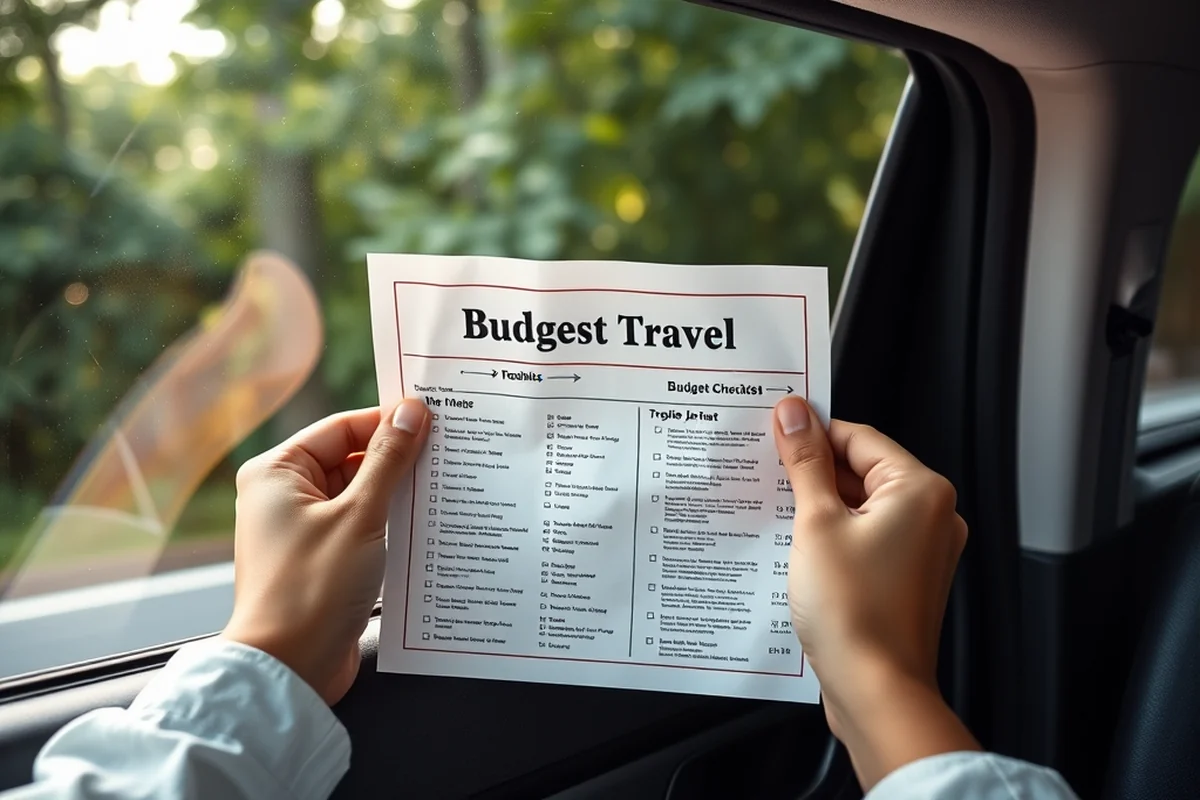
Budget Family Travel Budget Checklist
Related: Budget rental cars reservations
Maximizing Free or Low-Cost Activities for Kids
Families on a budget often overlook the value of free or low-cost activities that can be just as memorable as paid attractions. During a recent trip to Barcelona, we spent most of our time at free museums like the Picasso Museum, which had a small admission fee but was worth it for the kids. I’ve found that many cities offer free walking tours for families, which not only save money but also teach kids about history and culture. I once took my children on a free walking tour of Rome, and it was one of the highlights of the trip. These tours often have a small donation box, and I’ve contributed $10–$20 per family, which supports the guides and keeps the tours running.
Another great way to save is by exploring nature and parks, which are usually free or low-cost. I’ve taken my kids to national parks, botanical gardens, and zoos with discounted family passes. For example, in the U.S., some state parks offer free entry on certain days or have discounted rates for children under 12. I’ve also used apps like “Kids Out of School” to find free events in cities we visit, such as live music performances, art exhibits, and science fairs. These experiences are often more engaging than paid attractions because they’re less pressured and more open-ended.
I’ve also discovered that libraries and community centers often host free family events, from storytime sessions to hands-on workshops. On one trip to Lisbon, we visited a local library that had a free art program for kids, and it was both educational and fun. These options allow families to explore new interests without breaking the bank. I always check a destination’s website or local listings before arriving to plan a few free activities ahead of time. This way, we can have a backup plan in case the weather is bad or we want to avoid crowded paid attractions. These low-cost options don’t just save money—they create lasting memories.
Related: Budget car rental reservations
How to Handle Emergencies Without Breaking Your Budget
Unexpected expenses can derail even the best-laid plans, but with a little preparation, you can protect your budget and keep your family safe.
I’ve learned the hard way that emergencies happen, whether it’s a child getting sick or a sudden flight delay. Setting aside a dedicated emergency fund is essential, and I recommend allocating at least 10% of your total travel budget for unforeseen costs. This fund can cover everything from unexpected medical expenses to last-minute hotel changes. I’ve personally used this buffer during a trip to Mexico when my daughter came down with a stomach bug—having that cushion meant we could stay at a nearby hotel instead of rushing back home.
When I travel, I also carry a small emergency kit that includes items like band-aids, pain relievers, and hand sanitizer. This has saved me from unnecessary medical costs on multiple occasions. Additionally, I always purchase travel insurance that covers emergency medical care, trip cancellations, and lost luggage. For a family of four, a comprehensive travel insurance policy typically costs between $50 and $100, which is a small price to pay for peace of mind.
Another way to protect your budget is to research local emergency services and hospitals before you travel. I always note the nearest hospitals and clinics in my phone, along with their phone numbers. Knowing where to go in case of an emergency can prevent costly delays and confusion. I’ve also found that many destinations now offer free or low-cost clinics for tourists, which can be a lifesaver if you’re on a tight budget. Taking these steps helps ensure that even the most unexpected situations don’t derail your family’s travel plans or your finances.
Common Questions
How can I save money on flights for my family?
What are some affordable places to stay for a family?
What are some free activities for families on a budget?
How can I manage food costs on a family trip?
References
- Foster Care Forms - State of Michigan (michigan.gov)
- Funeral Costs and Pricing Checklist - FTC Consumer Advice (consumer.ftc.gov)
Cite this guide
Familyonadime (2026). Budget Family Travel Budget Checklist. https://familyonadime.com/budget-family-travel-budget-checklist/
Feel free to cite or share this guide.