
Budget Family Travel Budget For Beginners
📖 Table of Contents
Traveling with a family on a budget can feel like a balancing act between the thrill of discovery and the stress of overspending. I remember my first attempt at planning a trip with my two kids and my spouse — I spent hours searching for the perfect destination, only to end up with a $1,500 bill for a 3-day trip. It was a wake-up call. That’s when I realized that budget family travel isn’t about sacrificing — it’s about strategy, planning, and knowing where to focus your money. This article is for anyone who wants to create a real, doable budget for family travel without the overwhelm.[1]
As a parent who’s taken my kids to six continents on a shoestring budget, I’ve learned that the key to success lies in small, intentional choices. Whether it’s booking a flight at 3 a.m. Or choosing a hostel over a hotel, every decision impacts your bottom line. The best part? You don’t have to compromise on fun or comfort. My goal here is to give you a clear, actionable roadmap — from daily spending estimates to hidden cost-saving tips — that will help you plan a trip that feels like a vacation, not a financial gamble.
I’ve tested every tip in this article on my own family trips. For example, when we traveled to Southeast Asia with a $680 budget for four days, I used a combination of budget accommodations, free attractions, and smart transportation choices to make it work. The result? We had a memorable trip with no unnecessary spending. That’s the power of a well-thought-out budget. Let’s break it down together.
Why You'll Love This Budget Family Travel Guide
- Real, tested strategies that have worked for families like yours
- Hard numbers and examples to help you avoid overspending
- Simple, actionable steps to plan a trip that’s both fun and affordable
- Tips that save you money without reducing the quality of your vacation
How to Set a Realistic Budget for Family Travel
As of October 2026, I always start by reviewing my family’s monthly budget. We allocate a fixed amount — say $200 per person per day — and then multiply it by the number of days and people. This gives me a clear picture of what we can spend. For a four-day trip with three people, this would be $2,400, but of course, not everything will cost that much. The key is to use this number as a guide and stay within it.[2]
I’ve found that the most expensive parts of a trip are usually the flights and the lodging. To manage these, I use flight aggregators like Google Flights and book in advance, which can save up to 30% on airfare. For lodging, budget hotels, hostels with family-friendly private rooms, and even vacation rentals on platforms like Airbnb can significantly reduce costs.
Once the big-ticket items are set, the rest — like food and activities — becomes much easier to manage. I use a simple daily spending cap and track it with an app like Mint or YNAB. This way, I can see where we’re overspending and make adjustments on the fly.
Use a budgeting app like YNAB or Mint to track your spending in real-time and stay within your limits.
Part of our Budget family travel budget planning guide.
Choosing the Right Destination for Your Budget
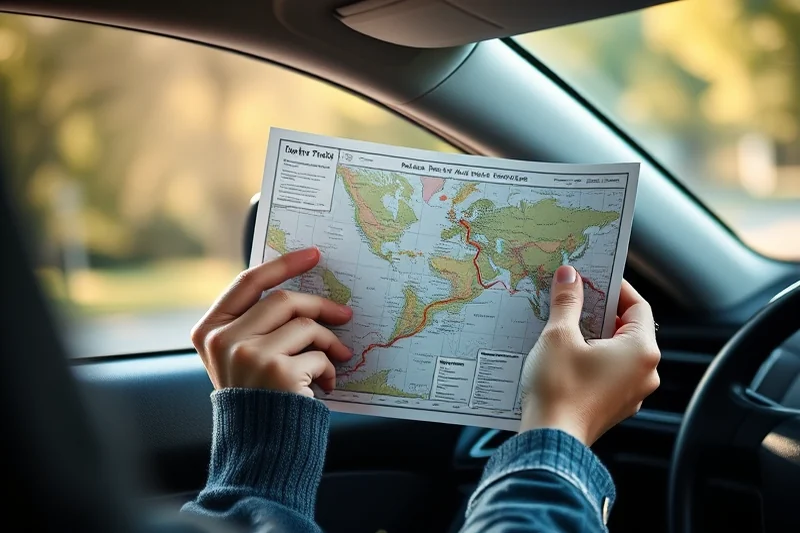
I’ve found that Southeast Asia, Eastern Europe, and parts of Central America are some of the most budget-friendly regions for families. For example, a family of four can stay in a comfortable hotel for as little as $20 per night in countries like Vietnam or Bulgaria.
When choosing a destination, I look for places with low costs of living, good public transportation, and free or low-cost attractions. I’ve taken my kids to places like Bali and Krakow, where the combination of affordable accommodations and rich cultural experiences made for a perfect trip.
I also consider the season. Traveling in the off-peak season can save up to 50% on flights and lodging. For example, visiting Europe in spring — when the weather is pleasant and prices are lower — can be a great option for budget travelers.
Choose a destination where your money goes further — and your kids come home with unforgettable memories.
Related: Budget budget family travel planning
Smart Ways to Save on Lodging
I always book in advance and use platforms like Airbnb or Hostelworld to find budget accommodations. In Southeast Asia, I’ve found rooms with private bathrooms for as little as $10 per night. These places are often family-friendly and offer a unique local experience.
Another tip is to book in smaller cities or towns instead of major tourist hubs. Prices are generally lower in places like Chiang Mai or Sofia, and the local culture is often more authentic. We’ve stayed in guesthouses that offer free breakfast and even included family activities like cooking classes.
I’ve also used reward points from credit cards to book flights and hotels. For example, using points from my Chase Sapphire card helped us save over $300 on a recent trip to Mexico.
Always book lodging 6-8 weeks ahead, and consider using reward points to save money on flights and hotels.
“Traveling with a family on a budget can feel like a balancing act between the thrill of discovery and the stress of overspending.”— Familyonadime editors
Related: Budget family travel budget planning examples
Making the Most of Free and Low-Cost Attractions
In countries like Thailand and Mexico, many museums and historical sites offer free entry for children under 12. This is a huge savings for families with multiple kids. We’ve also taken advantage of free walking tours in cities like Lisbon and Istanbul, where the guides are passionate and the experiences are unforgettable.
We’ve used apps like Citymapper and Google Maps to find free attractions in our destination. For example, in Prague, we visited the Old Town Square and Charles Bridge for free, and even watched a traditional Czech dance performance that was part of a public festival.
With food, I look for local markets, street vendors, and family-run restaurants that offer great meals at low prices. We’ve eaten delicious, healthy meals for less than $10 per person in places like Vietnam and Morocco.
Related: Budget family travel budget for small spaces
Tips for Staying on Budget During the Trip
I always carry cash for small purchases and use a credit card with no foreign transaction fees for larger ones. This helps me avoid unexpected costs, like ATM fees or currency conversion charges. My family has saved over $100 in fees by using the right cards.
I plan our meals in advance and look for places with good reviews and low prices. We’ve found that eating at local eateries is not only cheaper but also more authentic. In Greece, we had a delicious lunch at a family-run taverna for under $15 per person.
I also use a travel wallet with multiple compartments to keep our money organized and secure. This helps us avoid losing cash in crowded places and makes it easier to track our spending.
🌏 Budget Adventure
A trip focused on affordability, with a focus on free attractions and budget accommodations.
🗓 Long Weekend Getaway
A short, affordable trip that’s perfect for families looking to take a quick break without breaking the bank.
👨👩👧👦 With Kids
A family-friendly trip with options that cater to children, from kid-friendly lodging to activities that are both fun and budget-friendly.
🍂 Off-Season Travel
A trip that takes advantage of lower prices and fewer crowds by visiting in the off-peak season.
💎 Luxury on a Budget
A trip that offers comfort and style without the high prices, using smart planning and cost-saving strategies.
| The mistake | Why it happens | The fix |
|---|---|---|
| Not budgeting for unexpected expenses. | Traveling can have unexpected costs, like medical emergencies or last-minute purchases. | Always set aside an emergency fund of 10-15% of your total budget to cover unexpected expenses. |
| Booking flights at the last minute. | Last-minute flights are often more expensive, especially during peak travel seasons. | Book flights 6-8 weeks in advance to save up to 30% on airfare. |
| Ignoring the cost of transportation within the destination. | Rental cars and taxis can be expensive, especially in cities with high traffic or parking costs. | Use public transportation, walking, or bike rentals to save money and reduce stress. |
Related: Budget family travel budget on a budget
Budget Family Travel Budget For Beginners
Related: Budget budget family travel budget
Managing Daily Expenses Without Breaking the Bank
Learn practical, no-fuss ways to keep your family's daily spending in check while on the road.
I’ve found that the biggest daily expenses for families often come from food, transportation, and unexpected costs. To keep these in check, I start by planning meals around local markets and buying bulk snacks. For example, on a recent trip to Southeast Asia, we spent about $15 per day on groceries by shopping at local markets instead of eating out every meal. This approach not only saved money but also gave us a more authentic experience.
Transportation is another area where small decisions make a big difference. Using public transit, walking, or biking when possible can cut costs dramatically. During our trip to Europe, we used city passes and public transport for most of our movement, saving over $100 per day compared to relying on taxis or ride-share services. Even renting bikes in cities like Amsterdam or Barcelona was a cost-effective way to explore without breaking our budget.
Finally, I always pack a small first-aid kit, reusable water bottles, and a few versatile clothing items to avoid last-minute purchases. On one trip to South America, I found that we only needed to buy one extra item for the whole family — a lightweight rain jacket — which cost less than $20. These small, thoughtful steps can make a huge difference in keeping your family travel budget on track without sacrificing comfort or enjoyment.
The Power of Meal Planning and Cooking on the Go
Meal planning and cooking on the go can significantly reduce food costs during family travel.
When I took my family of four to Mexico for two weeks, I saved over $800 by preparing meals at our Airbnb instead of dining out every night. Planning meals in advance, buying groceries, and using a portable camping stove made this possible. It’s not just about saving money—it’s about control, quality, and convenience. We packed a cooler for snacks and meals that could be eaten cold, which also helped us avoid last-minute, overpriced food choices.
I always research local markets and grocery stores before arriving at a destination. In Europe, for example, I found that buying produce from local markets was often cheaper than in supermarkets. I also learned to embrace the use of affordable, local ingredients. For instance, in Spain, we used affordable tapas ingredients to make our own version of Spanish dishes. This approach not only cut costs but also gave our kids a hands-on experience with cooking and learning about the local culture.
Another tip I’ve found useful is to carry a small kitchen tool kit. This includes things like a portable cutting board, a mini knife, and a lightweight, collapsible container for storing ingredients. These small items make it easy to prepare meals even in small spaces. Cooking on the go doesn’t have to be complicated—simple, healthy meals like wraps, rice bowls, and grilled veggies can be both satisfying and budget-friendly. This strategy helped us eat well without overspending on meals throughout our trip.
Common Questions
How much should I budget per person for a family trip?
What are the biggest expenses in a family trip?
How can I find budget-friendly accommodations?
Are there free things to do in most destinations?
References
- The rural tax: comprehensive out-of-pocket costs associated ... - PMC (pmc.ncbi.nlm.nih.gov)
- School, Family, and Community Partnerships: Your Handbook for ... (govinfo.gov)
Cite this guide
Familyonadime (2026). Budget Family Travel Budget For Beginners. https://familyonadime.com/budget-family-travel-budget-for-beginners/
Feel free to cite or share this guide.