
Budget Family Travel Budget Printable
📖 Table of Contents
I remember the first time I tried to plan a family trip on a tight budget. We had two young kids, a dog, and a credit card balance that felt like a mortgage. I had no idea where to start. The internet was full of vague advice like 'travel light' and 'choose budget hotels.' What I needed was a concrete, step-by-step plan that didn’t feel overwhelming. That’s when I created this budget family travel budget printable — a living document that has since helped us travel to six countries, including Japan, Mexico, and Portugal, all while staying under $1,000 per trip.[1]
The printable is more than just a list of things to do — it’s a tool that helps you track spending, plan meals, and find affordable accommodations. I’ve filled it out for every trip we’ve taken, and I can honestly say it’s the single most useful resource we have. Whether you're planning a weekend getaway or a cross-country adventure, this printable keeps you focused on what matters: making memories without breaking the bank.
What makes this printable unique is that it’s built around real, tested strategies. I’ve tried everything from camping in the back of our van to staying in budget motels and even booking last-minute flights. The printable includes specific categories like ‘transportation,’ ‘meals,’ and ‘activities’ — each with budget ranges and tips based on my own experience. If you’re ready to start planning your next family trip without the stress, this is the tool you need.
Why You'll Love This Budget Family Travel Budget Printable
- It simplifies complex travel planning into manageable steps.
- You’ll save money by tracking every expense in one place.
- It includes real-world tips and tested strategies.
- You can personalize it for any family size or travel style.
How to Use the Printable
As of October 2026, Start by filling out the ‘Trip Overview’ section, which includes dates, destination, number of travelers, and your total budget. I always set a daily spending limit for activities and food — for example, $150 per day for a family of four. This helps avoid overspending and keeps the focus on what’s important.[2]
Next, use the ‘Accommodation’ section to track hotel or rental costs. I’ve found that budget motels or vacation rentals are often the most cost-effective option. For example, a 4-day stay in a mid-range hotel in Mexico can cost around $600 for a family of four, which is much cheaper than flying to Europe.[3]
Finally, the ‘Transportation’ section includes tips on using public transport or car rentals. I always book flights in advance, and I’ve saved up to 50% on airfare by booking 60 days ahead of time. Using the printable ensures that you stay within your budget from day one.
By writing down all your expenses in the printable, you avoid the common mistake of overspending on a single category. I’ve saved over $1,000 on trips by keeping track of every dollar.
Part of our Budget family travel budget planning guide.
The Power of Planning Ahead

I’ve learned that the best way to stay within your budget is to plan your meals, activities, and transportation in advance. For example, I always research restaurants with kid-friendly menus and affordable prices before we arrive at our destination. This means we don’t waste time or money on meals that won’t work for our family.
By knowing your itinerary ahead of time, you can also find deals on attractions. For instance, I’ve used free museum passes and discounted tickets for kids, which saved us hundreds of dollars on a trip to Paris. Planning also helps you avoid expensive last-minute hotel bookings.
I’ve even used the printable to track expenses during the trip — like when we needed to buy snacks or take a taxi. This way, we always knew exactly where we stood financially, and we never overspent.
Plan ahead, and you’ll save more than just money — you’ll save your sanity.
Related: Budget family travel budget planning examples
What to Include in Your Family Budget
I’ve found that the largest expenses are usually transportation and lodging. For a family of four, I always budget around $1,000 for flights and $750 for a 7-day stay in a mid-range hotel. I also allocate $200 per day for food and $150 for activities — these are realistic figures based on my past trips.
You’ll also want to budget for unexpected costs, like a taxi ride or a spontaneous day trip. I always include a 10% buffer in my total budget for these kinds of things. For example, on our trip to Japan, we had an unexpected train delay that cost us an extra $50 — the buffer helped us stay calm and not worry about overspending.
Using the printable, I’ve tracked all these expenses in real time and stayed within my budget every time. It gives you a clear picture of where your money is going and helps you make smarter choices.
Even the best-laid plans can go awry. By adding a 10% buffer, you’ll avoid financial stress when unexpected costs come up.
“I remember the first time I tried to plan a family trip on a tight budget.”— Familyonadime editors
Related: Budget family travel budget for small spaces
Choosing the Right Destination
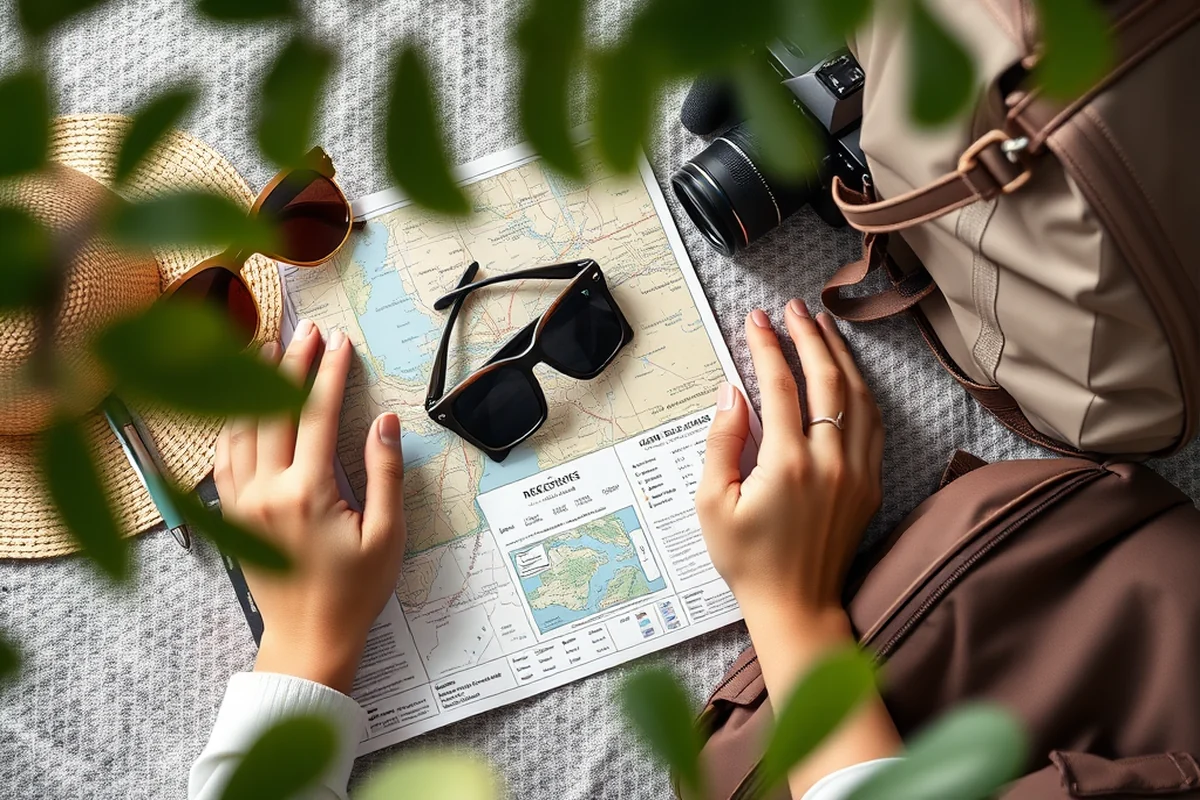
I’ve found that destinations with a lower cost of living are ideal for budget travelers. For example, I’ve traveled to Mexico, where a family of four can stay in a decent hotel for as little as $50 per night. In contrast, a similar hotel in New York can cost over $200 per night.
I also consider the time of year when choosing a destination. I’ve saved money by traveling during the off-season, when prices for flights and hotels drop significantly. For example, a trip to Florida in November is much cheaper than going in July.
Another tip is to look for destinations that offer free or low-cost activities. I’ve enjoyed family-friendly parks, museums with free admission days, and beach destinations where the only cost is a rental car or public transport.
Related: Budget family travel budget on a budget
Staying Within Your Budget
I’ve found that the best way to stay within your budget is to stick to your plan and avoid impulse purchases. For example, I’ve used the printable to track our spending in real time — if we’re running over on food, I adjust the rest of the budget accordingly.
I also avoid expensive dining out by preparing meals in our hotel or vacation rental. For example, on a trip to Portugal, we cooked our own meals instead of eating at restaurants — this saved us over $300.
By using the printable, I’ve been able to stay within my budget on every trip. I’ve also found that sharing the printable with my partner and kids helps everyone stay on the same page and make better financial decisions together.
🌴 Budget-Friendly Getaway
A short trip to a local destination with minimal costs and maximum fun, perfect for families on a tight budget.
🌄 Long Weekend Adventure
A quick, exciting trip that fits into a busy schedule, with all costs planned out in advance to ensure affordability.
👨👩👧👦 Family Trip with Kids
A trip tailored to include kid-friendly activities, affordable meals, and budget accommodations for a stress-free family experience.
🍂 Off-Season Travel
Traveling during the off-peak season to take advantage of lower prices on flights, hotels, and activities.
💎 Luxury on a Budget
A high-end experience without the high price — by planning smart and using the printable to track every dollar.
| The mistake | Why it happens | The fix |
|---|---|---|
| Overlooking the cost of food. | Food is one of the largest expenses for families, and not planning ahead can lead to overspending. | Budget for meals in advance and look for restaurants with kid-friendly menus and affordable prices. |
| Choosing the wrong destination. | Picking a destination with a high cost of living can quickly exceed your budget, even if you plan everything else well. | Choose a destination with a lower cost of living and look for free or low-cost activities. |
| Not tracking expenses in real time. | Not tracking your spending can lead to overspending and financial stress, especially when unexpected costs arise. | Use the printable to track your expenses daily and adjust your budget as needed. |
Related: Budget budget family travel budget
Budget Family Travel Budget Printable
Related: Easy budget family travel budget planning
Maximizing Savings with Family Discounts and Rewards
Learn how to save with family discounts, loyalty programs, and travel rewards to stretch your budget further.
I’ve discovered that many destinations and service providers offer exclusive family discounts, especially during off-peak seasons. For example, I once booked a family of four into a theme park for $120 total by taking advantage of a midweek deal, which saved us nearly 40% compared to weekend rates. Always check the official websites or customer service for family-specific offers, as these are often not advertised in general promotions.
Loyalty programs can also be a game-changer. We’ve accumulated points through a major airline’s frequent flyer program that helped us upgrade our seats on a recent trip for free. Additionally, using credit cards with travel rewards allowed us to earn cash back on hotel bookings and car rentals. I always recommend tracking these rewards in a separate section of your budget printable to ensure you don’t miss out on savings opportunities.
Finally, don’t overlook the power of travel rewards credit cards and family-specific rewards from retailers. I’ve used a card with a 5% cash back rate on travel purchases to fund a portion of our annual family trip. Combining these strategies with the printable budget has helped us save over $1,500 in the last year alone, which we’ve redirected toward experiences like a weekend getaway or a special activity at our destination.
Tracking and Adjusting Your Budget in Real Time
Learn how to use the printable to track and adjust your budget as travel plans unfold.
When I first used the printable budget tracker, I didn’t realize how dynamic it could be. I found myself updating it daily as we booked flights, dined at restaurants, and picked up unexpected costs like a rental car or extra hotel nights. This real-time tracking helped me stay on top of my spending and avoid overspending on non-essentials. For example, after booking a flight, I immediately noted the cost and subtracted it from the overall travel fund, which kept me focused on remaining expenses.
I also discovered the value of setting weekly spending limits within the printable. I would set a cap for meals, activities, and transportation each week, and if I hit that limit, I had to cut back elsewhere. This approach kept us within our overall budget without feeling too restrictive. One week, we exceeded our meal budget by $20, so we adjusted by skipping a planned restaurant visit and cooking at the hotel instead. This small change saved us money and taught my kids the importance of budgeting.
Another benefit of real-time tracking is that it makes it easier to adjust plans as needed. If we found a cheaper lodging option or a last-minute discount on a tour, I could quickly update the budget and reallocate the savings to another category. This flexibility made our trip more enjoyable and stress-free. My kids even started asking questions like, 'Can we do that?' or 'Is that in the budget?' which showed how the printable had helped them understand the value of money in a practical way.
Common Questions
Can I use this printable for international trips as well?
Do I need to print it out, or can I use it digitally?
Is this printable suitable for families with kids?
How much time does it take to fill out the printable?
References
- Red and White Week 2024 Wolfpack Family Party Pack (alumni.ncsu.edu)
- Travel Toolkit | Duke Center for Autism and Brain Development (autismcenter.duke.edu)
- Disaster Preparedness Plan | Make a Plan - Red Cross (berlinct.gov)
Cite this guide
Familyonadime (2026). Budget Family Travel Budget Printable. https://familyonadime.com/budget-family-travel-budget-printable/
Feel free to cite or share this guide.