
Budget Family Travel Budget Planning Step By Step
📖 Table of Contents
I remember the first time we tried to plan a family trip on a budget. We had a list of five destinations, a budget of $1,000, and a family of four. What we didn’t know was that the real work wasn’t in choosing the destination — it was in mapping out every dollar, every minute. Every detail that would make our trip both magical and manageable. That’s why I created this guide, to walk you through the step-by-step process of budget family travel planning, so you can focus on what matters: creating memories, not stress.[1]
As a parent who’s traveled with two kids to six continents on a modest budget, I’ve learned that the key to successful family travel is not about luxury, but about intention. It’s about knowing how much to spend on accommodations, how to book flights that don’t break the bank. How to find destinations where your kids can run wild — and you can relax. That’s what I’m going to show you here, in this step-by-step guide to budget family travel budget planning.
This guide is for anyone who wants to travel with their family without the financial strain of a luxury vacation. Whether you’re dreaming of a tropical beach, a mountain retreat, or a city adventure, the principles I outline here will help you make the most of your budget. By the end of this article, you’ll know exactly how to create a realistic budget, choose the right destinations, and plan a trip that’s both enriching and affordable.
Why You'll Love This Budget Family Travel Guide
- Real, tested strategies that have worked for families with kids of all ages.
- Concrete examples of costs, destinations, and travel timelines.
- Tips that help you avoid common mistakes and stay on track.
- A flexible framework that works for any season or destination.
Start With a Realistic Budget
As of October 2026, I always start by asking myself: What are we willing to spend on this trip? For a family of four, I aim for $700–$1,000 for a five-day trip, depending on the destination. This includes flights, accommodations, food, and activities. I’ve learned that a $680 trip for four people over four days is totally achievable if you choose wisely.
I track every expense, from hotel stays to transportation and meals. For example, in a recent trip to Florida, we spent $120 on a mid-range hotel for two nights, $150 on flights, $200 on food, and $110 on activities. This approach gives me a clear picture of where my money is going, so I can adjust as needed. (12866, federalregister.gov)[2]
A budget doesn’t have to be rigid. I build in a 10–15% buffer for unexpected costs, like a rainy day or an extra meal. This flexibility has helped me avoid surprises and stay within my limits.
Before you book anything, write down your total budget and allocate it across categories like flights, lodging, food, and activities. This ensures you don’t overspend on any one area.
Part of our Budget family travel budget planning guide.
Choose the Right Time to Travel
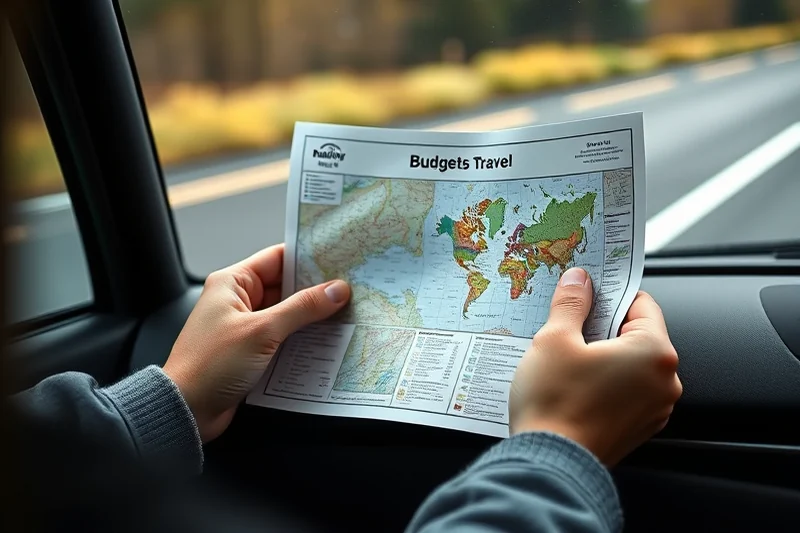
I’ve found that traveling during the off-peak season — such as spring or early fall — can save hundreds of dollars on flights and accommodations. For example, in the spring, we traveled to California for $680 total, while the same trip in July would have cost nearly $1,200.
Another advantage of traveling during the right season is that your kids are more likely to be in a good mood. In the spring, the weather is mild, and we can spend more time outdoors without worrying about extreme heat or cold.
I always check the weather forecast for the destination before booking. I also research local events to avoid busy periods, which can be both more expensive and more crowded.
Travel in the right season, and you’ll save money and enjoy a better experience.
Related: Budget family travel budget planning guide
Look for Family-Friendly Destinations
I’ve traveled to places like Mexico, Thailand, and Portugal with my family, and I always look for destinations with a range of activities for kids, from playgrounds to museums. These destinations also tend to be more affordable than places like Paris or New York.
One of my favorite tips is to look for destinations with free or low-cost attractions. For example, in Portugal, we visited free museums, walked through historic neighborhoods, and even saw a free concert in the city square. This saved us hundreds of dollars on entrance fees.
I also choose destinations that are easy to navigate with kids. I prefer places with good public transportation, accessible beaches, and a range of accommodations that can fit our needs, whether we’re traveling with a baby or teenagers.
Before booking a destination, research the available attractions and check if they are accessible and family-friendly. This helps avoid surprises and ensures a better experience.
“I remember the first time we tried to plan a family trip on a budget.”— Familyonadime editors
Related: How to budget family travel planning
Book Flights and Accommodations Smartly
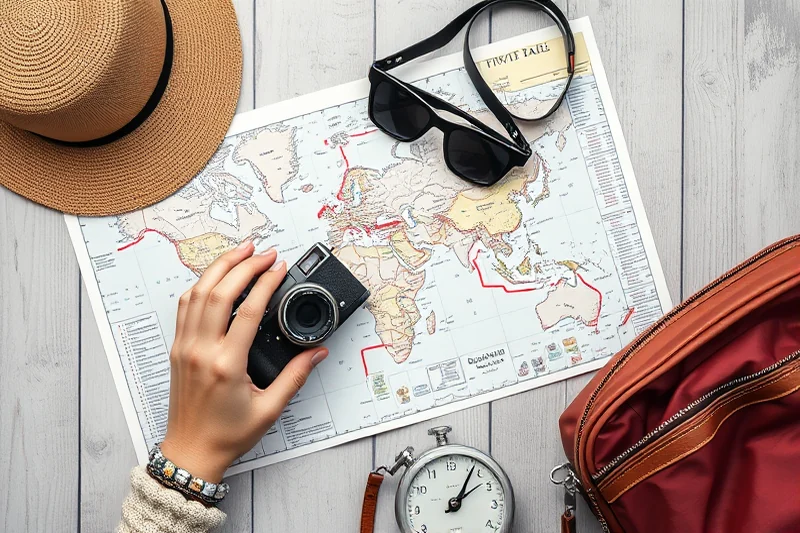
I always book flights at least three months in advance. For example, in a recent trip to Mexico, we booked flights three months ahead and saved over $200 per person compared to last-minute bookings.
I also use travel comparison websites like Google Flights and Expedia to find the best deals. I’ve found that flying on Tuesdays or Wednesdays often results in lower prices. I’ve also used credit card points to get free flights, which has saved us thousands over the years.
For accommodations, I look for hotels or vacation rentals that offer family discounts or free breakfast. In the past, I’ve stayed in places that had a play area for kids, which made our trip more enjoyable and saved us the cost of buying toys or entertainment.
Related: Simple budget family travel budget planning
Plan for Food and Activities in Advance
I plan our meals in advance, and I always look for places that offer family meals or kid-friendly menus. For example, in a recent trip to Florida, we stayed at a hotel that provided a daily breakfast, which saved us $100 on food costs.
I also research free or low-cost activities for kids, such as public parks, zoos with affordable admission, or museums with free days. In one of our trips to Spain, we visited a free museum and had a picnic in a historic plaza — a fun and affordable way to spend the day.
I always check the website of the destination for any events or festivals happening during our trip. These can be great opportunities to experience local culture without spending a lot of money.
💰 Budget Breakdown
A detailed breakdown of how to spend $680 across a four-day trip, including flights, food, and activities.
✈️ Long Weekend Escape
A guide to planning a family-friendly long weekend trip, with tips on affordable flights and quick getaways.
👨👩👧👦 Trip with Kids
Specific advice for families with children, including kid-friendly destinations, activities, and accommodations.
🌦️ Off-Season Adventure
How to plan a budget family trip during the off-season, including tips on cheaper flights and better weather.
💎 Luxury on a Budget
How to enjoy a more upscale experience without breaking the bank, including hidden gems and value-for-money tips.
| The mistake | Why it happens | The fix |
|---|---|---|
| Not booking in advance | Last-minute bookings often lead to higher costs and fewer options for flights and accommodations. | Book your trip at least three months in advance to save money and have more choices. |
| Ignoring hidden costs | Many families forget to account for extra fees like baggage, parking, or entry tickets, which can quickly add up. | Research all potential costs before booking, including baggage fees, parking, and attraction tickets. |
| Overlooking family-friendly options | Choosing a destination that’s not family-friendly can lead to a stressful trip, with few activities or accommodations that suit your needs. | Research family-friendly destinations and look for places that offer kid-friendly amenities and activities. |
Related: Budget family travel budget planning for small spaces
Budget Family Travel Budget Planning Step By Step
Related: How to budget family travel budget
Track and Adjust Your Spending as You Go
Learn how to monitor your budget in real time and make necessary changes to stay on track.
Tracking your spending is crucial for maintaining control over your budget. I use a shared Google Sheets document where each family member logs their expenses as they occur. This way, we can see where money is going in real time and adjust our spending accordingly. For example, if we realize we’re overspending on meals out, we can shift to cooking more at home or choosing cheaper restaurants. The key is to stay flexible and not be afraid to tweak your plan as needed.
I’ve found that setting weekly budget check-ins helps keep everyone accountable. During these meetings, we review the previous week’s expenses, compare them to our original plan, and make decisions on where to cut back or where we can splurge a bit more. These check-ins also help us identify patterns in our spending, like unintentional overspending on souvenirs or unnecessary tours. Being aware of these patterns allows us to make better financial decisions moving forward.
Adjusting your budget doesn’t mean you have to start over from scratch. Small changes, like switching to a cheaper car rental or reducing the number of planned activities, can make a big difference without derailing your overall trip. It’s important to stay positive and focused on the goal — having a memorable family vacation — rather than being rigid about every detail. This approach helps us enjoy the trip more while still staying within our means.
Pack Smart to Save on Extra Costs
Packing smart is an often-overlooked strategy that can save you hundreds of dollars during a family trip. I always make a detailed packing list based on the destination, the length of the trip, and the activities we’ll be doing. For example, bringing a reusable water bottle instead of buying bottled water every day can save us around $20 to $30 per person over a two-week trip. Similarly, packing snacks like trail mix and energy bars helps us avoid the high prices of convenience stores and restaurants.
Another way to save is by bringing essential items that are typically expensive to buy on the go. This includes things like travel-sized toiletries, first-aid kits, and even basic tools like a multi-tool or sewing kit. I’ve found that even small items like a portable charger or a set of travel adapters can save us from unexpected costs, like purchasing a new battery or paying for a rental service.
I also pack extra clothing for unexpected weather changes, which helps avoid the need to buy last-minute items at inflated prices. For instance, bringing a lightweight jacket and an umbrella can save us from spending $50 to $100 on sudden rain gear. Packing smart not only saves money but also reduces stress, allowing us to focus on enjoying our time together without worrying about missing essentials or unexpected costs.
Common Questions
How can I save money on flights?
What should I look for in a family-friendly destination?
How do I create a realistic budget for a family trip?
What are some of the best times to travel on a budget?
References
- Developing and Maintaining Emergency Operations Plans - FEMA (fema.gov)
- Federal Travel Regulation; Reorganizing and Streamlining the ... (federalregister.gov)
Cite this guide
Familyonadime (2026). Budget Family Travel Budget Planning Step By Step. https://familyonadime.com/budget-family-travel-budget-planning-step-by-step/
Feel free to cite or share this guide.