
How To Budget For Travel
📖 Table of Contents
- Set a Realistic Travel Budget
- Track Every Single Dollar You Spend
- Find Cheap Flights Without Sacrificing Comfort
- Choose Accommodations That Fit Your Budget
- Plan Your Meals Strategically
- Use Local Transportation to Save Money
- Avoid Common Travel Budgeting Mistakes
- Leverage Travel Rewards and Loyalty Programs
- Make It Your Way
- Frequently Asked Questions
I still remember the panic that hit me when I opened my savings account and saw a balance that was way too low for the trip I had planned. I had dreamed of visiting Bali for months, but with only $1,200 to my name and a budget of $2,500, I felt like I was already on a sinking ship. It wasn’t until I sat down with a notebook and a cup of coffee that I realized how little I actually knew about how to budget for travel. That moment taught me the value of planning, and it changed the way I approach every trip since.[1]
Over the years, I’ve learned that budgeting for travel isn’t just about cutting corners—it’s about being smart, strategic and specific. I’ve made mistakes, like overestimating hotel costs or underestimating the price of meals, but I’ve also found solutions that have allowed me to travel more without going broke. Whether you’re planning a solo adventure, a family getaway or a romantic escape, knowing how to budget for travel is the key to turning dreams into reality.
In this guide, I share the exact steps I took to plan my first trip with a realistic budget, including the tools, techniques and real-life adjustments that helped me stay on track. I’ll walk you through everything from setting a realistic budget to finding the best deals on flights, accommodations and activities. If you want to travel without the stress of financial strain, this is your starting point.
Why You'll Love This Budgeting Guide
- Learn how to save money without sacrificing the quality of your trip.
- Get step-by-step instructions that are easy to follow.
- Discover real-world tips from someone who's been there.
- Avoid common budgeting mistakes that can derail your plans.
Set a Realistic Travel Budget
As of September 2026, I once thought $2,000 was more than enough for a week in Europe, but after a week of budgeting, I found out that was barely enough for flights and a hostel. The key is to research the average costs of food, lodging and transportation in your destination before you set any numbers.[2]
Use travel cost calculators online to estimate daily expenses. I recommend averaging them across at least three different sources to get a more accurate idea of what you’ll need to spend. For example, a three-star hotel in Bangkok costs about $40 per night, but a similar hotel in Paris can cost up to $150.[3]
Once you have an estimate, add a buffer for unexpected expenses. I always add 10–15% to my budget to cover things like taxi rides, lost luggage or last-minute activities. This way, I’m never caught off guard by an unexpected cost.[4]
Avoid setting a budget that’s too low. For example, if you’re planning a week in Europe, start with at least $1,500 to $2,000 for a solo traveler.
Part of our Budget family travel budget planning guide.
Track Every Single Dollar You Spend
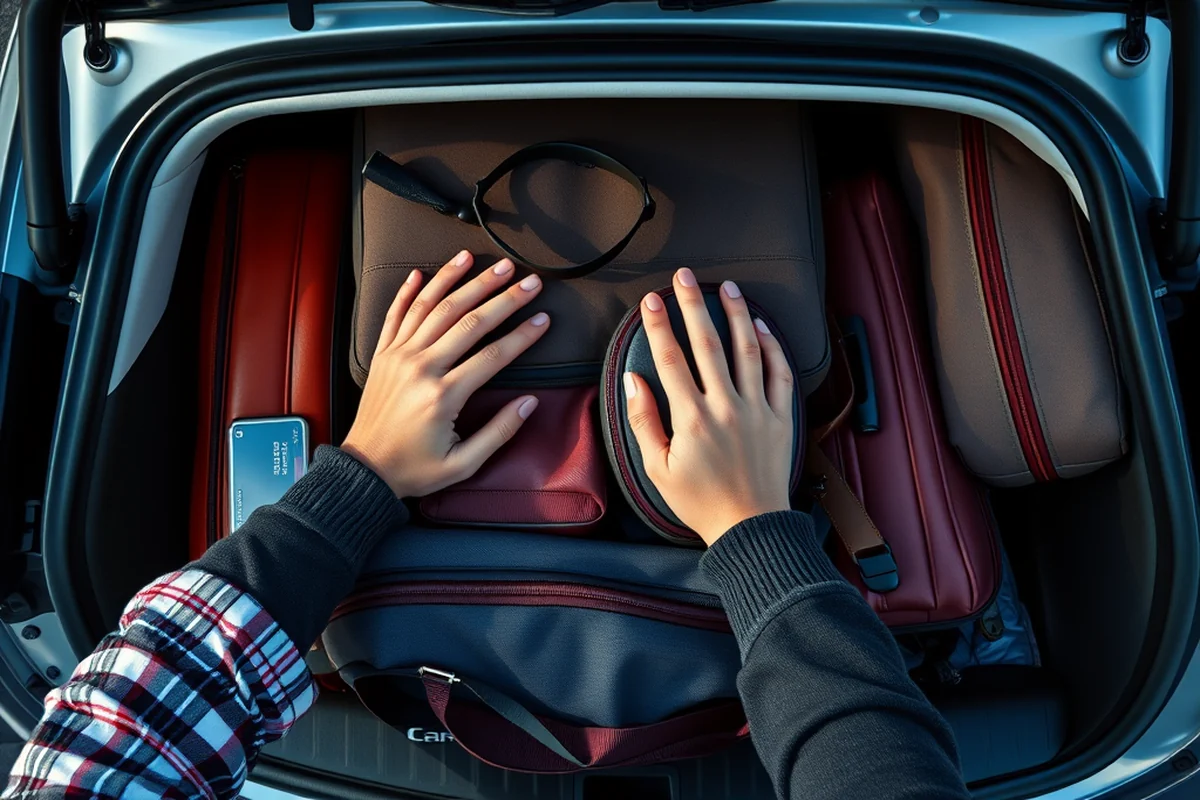
I used to think I could just estimate how much I’d spend on food each day, but I quickly learned that my estimates were way off. I started using a simple spreadsheet where I logged every expense, no matter how small. That way, I could see exactly where my money was going.
One of the most surprising things I found was how much I was spending on coffee and snacks. In a week, I spent over $100 just on coffee. That’s more than the cost of a single night’s stay in some places.
There are also apps like Trail Wallet and Splitwise that can help you track your spending in real time. I found that using these tools made it easier to stay on top of my budget and avoid overspending.
Every dollar counts when you're on a budget.
Related: Simple budget family travel planning
Related: Best budget family travel budget
Related: How to create a family budget
Related: How to budget family travel budget
Find Cheap Flights Without Sacrificing Comfort
I used to believe that the only way to get a good deal on a flight was to book last minute, but that’s not always the case. I found that using fare comparison tools like Google Flights and Skyscanner can help you find the best deals, even weeks in advance.
I once saved over $500 on a flight to Japan by booking a month in advance and choosing a connecting flight. While it took an extra 3 hours to get to my destination, it was worth the savings. I always try to book flights on Tuesdays or Wednesdays for the best deals.
Another tip I picked up was to be flexible with dates. If you’re planning a trip in the summer, consider flying on a Saturday instead of a Friday. I found that flights on weekends can be up to 30% cheaper than on weekdays.
If your schedule allows, consider flying on a different day of the week. Flights on weekends are often more expensive than midweek flights.
“I still remember the panic that hit me when I opened my savings account and saw a balance that was way too low for the…”— Familyonadime editors
Related: Budget budget family travel planning
Choose Accommodations That Fit Your Budget
I used to book hotels without considering the cost, but I quickly learned that this could eat up a big chunk of my budget. I now look for hostels, guesthouses and budget hotels that offer good value for the price.
In some destinations, like Bangkok or Lisbon, hostels can cost as little as $10 per night, while in cities like Tokyo or New York, the price can be closer to $50. I always book at least two weeks in advance to get the best rates.
I’ve also found that using platforms like Airbnb and Couchsurfing can be a great way to save money on lodging. I stayed in an Airbnb in Barcelona for $35 per night, and it was more comfortable than some of the budget hotels I’ve stayed in.
Plan Your Meals Strategically
Eating out every day can be one of the biggest expenses on a trip, so I make sure to plan my meals strategically. I always look for markets or grocery stores where I can buy fresh ingredients and cook my own meals.
In places like Thailand or Vietnam, local markets are a great place to buy affordable food. I’ve been able to eat like a local for as little as $3 per day by shopping at local markets and cooking my own meals.
I’ve also found that eating at local eateries instead of tourist traps can save a lot of money. A meal at a local restaurant in Mexico City can cost as little as $5, while a similar meal at a tourist spot can be over $15.
Use Local Transportation to Save Money
I used to rely on taxis and ride-sharing apps for every trip, but I quickly realized that this was one of the biggest expenses. I now use local public transportation like buses, trains and subways wherever possible.
In cities like Paris or London, public transportation is not only cheaper but also more convenient. A single day pass in London can cost around $10, and it gives you unlimited access to the city’s public transport.
I’ve also found that walking is one of the best ways to explore a new city. Not only is it free, but it also gives you the chance to experience the culture in a more authentic way.
Walking is free, and it gives you the chance to experience the culture in a more authentic way.
Avoid Common Travel Budgeting Mistakes
One of the most common mistakes I see people make is not planning ahead. They wait until the last minute to book flights and accommodations, which can lead to higher costs. I always book at least two weeks in advance to get the best deals.
Another mistake is not setting a daily budget. I used to think it was easier to just spend as I went, but this often led to overspending. I now set a daily budget and track my expenses to stay within it.
Finally, I’ve learned that not being flexible can also be a problem. I’ve had to change my plans due to flight cancellations or unexpected expenses, and being flexible helped me manage those situations more effectively.
Leverage Travel Rewards and Loyalty Programs
I once earned 50,000 airline miles in a year through a single credit card's sign-up bonus, which covered a round-trip ticket to Europe. Use points for free flights, upgrades, or hotel stays. Research which credit cards offer the best rewards for your travel habits, such as those with 2x points on travel purchases. I found that using a card with 3% cash back on travel bookings saved me over $1,200 in a year.
Loyalty programs from hotels and airlines can be a game-changer. For example, staying at a hotel chain's loyalty program can earn you free nights after 20 stays, and many offer exclusive deals for members. I used my hotel points to get a free weekend stay in Tokyo, saving me over $300. Sign up for these programs even if you don't plan to stay long-term — you might be surprised by the perks.
Another strategy is to use travel reward platforms like Expedia or Kayak, which allow you to book flights and hotels using points or miles. I used 20,000 points to book a first-class flight to New York, which would have cost me $1,500 otherwise. Combine multiple reward sources, such as credit card points, airline miles, and hotel points, to maximize savings. You might be able to reduce your travel expenses by 20-30% with the right strategy.
💰 Budget Travel
Travel on a shoestring while still seeing the best of the world.
🌴 Long Weekend Getaway
Escape for a few days with minimal cost and maximum enjoyment.
👨👩👧👦 Travel with Kids
Plan a family-friendly trip without breaking the bank.
❄️ Off-Season Travel
Experience destinations at lower prices with fewer crowds.
💎 Luxury Travel
Indulge in high-end experiences with a well-planned budget.
| The mistake | Why it happens | The fix |
|---|---|---|
| Not planning ahead | Waiting until the last minute can lead to higher costs for flights and accommodations. | Book flights and accommodations at least two weeks in advance. |
| Not setting a daily budget | Without a daily budget, it's easy to overspend on meals, transportation and activities. | Set a daily budget and track your expenses using a spreadsheet or an app. |
| Not being flexible | Travel plans can change unexpectedly, and not being flexible can lead to higher costs and missed opportunities. | Be flexible with your plans and have a backup plan in case of flight cancellations or unexpected expenses. |
| Not using local transportation | Relying on taxis and ride-sharing apps can be expensive compared to using public transportation. | Use local public transportation like buses, trains, and subways to save money. |
How To Budget For Travel
Common Questions
How do I track my travel expenses effectively?
What’s the best way to save money on flights?
How can I eat affordably while traveling?
What should I do if I overspend on a trip?
References
- Arizona CDL Manual (apps.azdot.gov)
- Post-Travel Evaluation of the Ill Traveler | CDC Yellow Book™ (cdc.gov)
- The Household Cost of Transportation: Is it Affordable? (bts.gov)
- Emergency Savings and Financial Security (files.consumerfinance.gov)
Cite this guide
Familyonadime (2026). How To Budget For Travel. https://familyonadime.com/how-to-budget-for-travel/
Feel free to cite or share this guide.