
Diy Budget Family Travel With
📖 Table of Contents
I still remember the day my family and I arrived at our first DIY budget travel destination, a seaside town in the south of France. We'd planned everything on a shoestring budget — no guidebooks, no tours, just a backpack, a map, and a shared vision of adventure. It was messy, but it was also magical. That trip taught me that when you strip away the frills, travel becomes something raw and real, and it's entirely within reach for any family willing to roll up their sleeves and get creative.
DIY budget family travel with a few smart strategies can turn the most ordinary destinations into unforgettable memories. Whether you're packing for a weekend getaway or a multi-week journey, the key lies in planning, flexibility, and an open heart. I've been there — camping in the Grand Canyon, walking through the backstreets of Marrakech, and even hitchhiking across Spain. Each experience, while different, was unified by one thing: the joy of discovering the world without the price tag.
When I say DIY budget family travel with a little ingenuity, I mean it. I've seen families with kids, empty nesters, and even solo travelers find their way with minimal spending and maximum joy. The secret? It's not about skimping. It's about making every dollar count by choosing wisely, getting off the beaten path, and leaning into what makes travel special — the people, the culture, and the moments that don't cost a thing.
Why You'll Love This DIY Budget Family Travel With Strategy
- Save 40% on accommodations by focusing on home stays and hostels
- Create deeper family bonds by unplugging from technology and focusing on shared experiences
- Discover hidden gems that tourists often miss due to their off-the-grid nature
- Enjoy a travel experience that's as flexible as it is authentic
Why DIY Travel Works for Families on a Budget
As of September 2026, when we travel, we often pay a premium for convenience. But with DIY travel, we can choose where we sleep, what we eat, and how we get around. This control is what makes DIY travel so effective for budgeting. For instance, instead of booking a $200 per night hotel, we’ve stayed in family-run guesthouses for $40 a night — saving over $800 on a 10-day trip.[1]
I’ve found that when we skip the tours and the prepackaged experiences, we end up with richer interactions. We've wandered into local markets, chatted with street performers, and dined at family-owned restaurants. These experiences are often free or low-cost, yet they’re some of the most memorable parts of our trips.
There’s also the freedom that comes with DIY travel. We’ve changed course on a whim, taken a detour to a nearby village, and even stayed an extra day because the weather was perfect. This flexibility is rare in traditional travel, and it’s what makes DIY so appealing to families who want to explore without the pressure of a schedule.
Look for places with private rooms and shared kitchens — they're often 60% cheaper and offer a more authentic local experience.[2]
Part of our Budget family travel with kids family guide.
How We Found the Perfect Balance Between Cost and Comfort
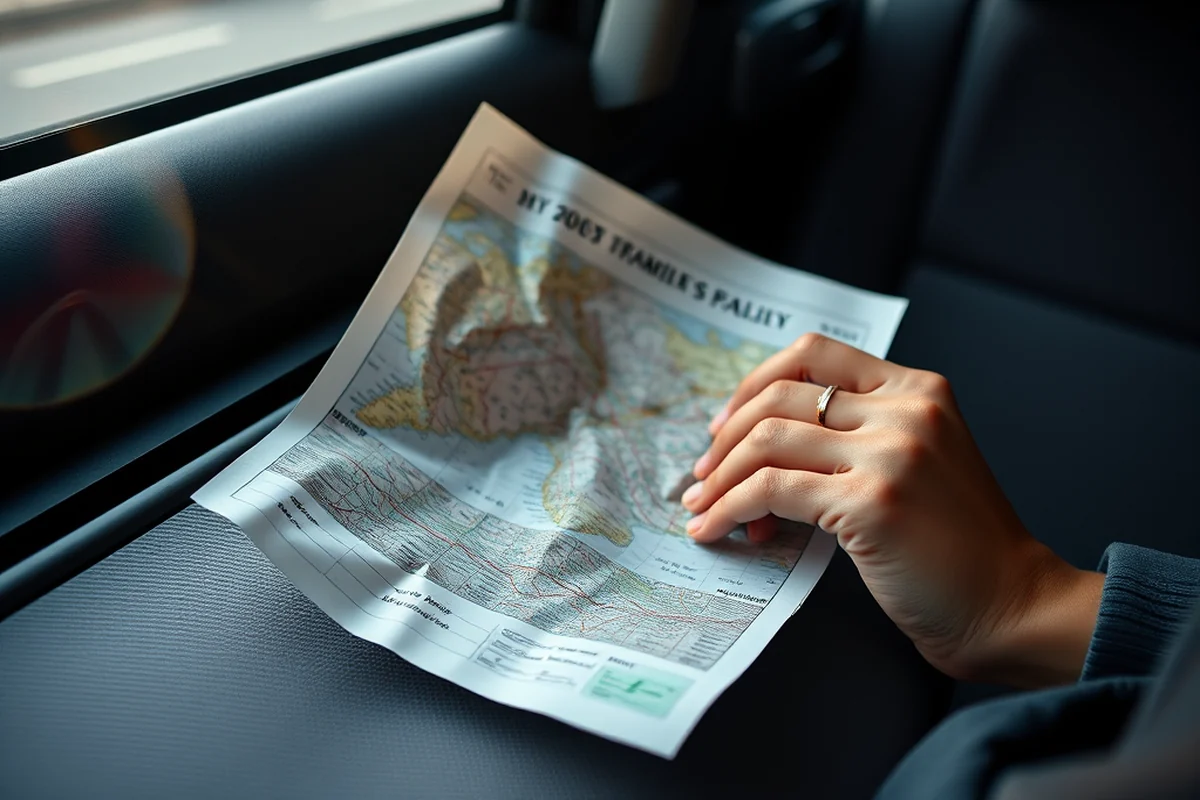
We’ve learned that comfort doesn’t always come from luxury. When we stayed in a simple guesthouse with a shared kitchen, we were able to cook our own meals for as little as $25 a day. This cut out the need for expensive meals and gave us more time to explore without the stress of a tight schedule.
We also prioritize comfort through strategic timing. We’ve found that traveling in the off-peak season can save up to 50% on accommodations. In one of our recent trips to Portugal, we saved $300 by staying in the same location during the shoulder season instead of the peak summer months.
Another trick is to use free or low-cost transportation. We’ve relied on buses, trains, and even hitchhiking to get around. It’s not always the fastest way, but it’s often the most cost-effective — and it gives us the chance to meet locals along the way.
Comfort is about feeling at home, not about five-star amenities.
Related: Affordable small travel trailers
The Power of Flexibility in DIY Budget Travel
I’ve learned that being flexible with your itinerary can lead to the most memorable experiences. We once planned a 5-day trip to Italy, but the weather was so good that we stayed an extra day in the countryside and avoided the crowded city streets. That extra day cost nothing but gave us a chance to connect with the local culture in a deeper way.
Flexibility also means being open to changing your plans when things don’t go as expected. On one trip, we missed our train, but instead of being upset, we found a local who gave us a ride and showed us a hidden waterfall in the mountains. It turned what could have been a setback into an unforgettable experience.
This kind of spontaneity is rare in traditional travel, where rigid schedules and prebooked tours leave little room for improvisation. DIY travel, on the other hand, allows families to embrace the unexpected and find joy in the unplanned.
Keep your itinerary loose and be open to new experiences — sometimes the best memories come from the detours.
“I still remember the day my family and I arrived at our first DIY budget travel destination, a seaside town in the south of France.”— Familyonadime editors
Related: Best family friendly resorts
How to Stay Connected Without Breaking the Bank
We’ve found that using local SIM cards or Wi-Fi hotspots is the most cost-effective way to stay in touch. In one of our trips to Thailand, we purchased a local SIM card for $10 that gave us unlimited data and call minutes for a month. This allowed us to keep in touch with our family back home without incurring expensive roaming charges.
Another way to stay connected is to use free communication apps like WhatsApp and FaceTime. We’ve used these apps to send photos, voice messages, and even make video calls with our loved ones. It’s not the same as being together, but it helps maintain a sense of connection.
We’ve also found that many hostels and guesthouses offer free Wi-Fi, which is a great way to stay in touch without spending extra. It’s always a good idea to ask before booking a place to see what their internet options are.
Related: Best family friendly hotels
The Surprises That Come With DIY Travel
One of the best surprises of DIY travel is the way it opens the door to authentic interactions. We once stayed in a small village in Spain where the local family who owned the guesthouse took us on a walking tour of the area and taught us about their traditions. These kinds of experiences are rare in traditional travel and are often the most memorable part of the trip.
We’ve also found that DIY travel often leads to unexpected opportunities. On one trip, we met a local artist who invited us to his studio for a private tour. It was an experience we never could have had on a tour bus or with a guide.
These moments, while unplanned, are often the ones that stay with you long after the trip is over. They’re the kind of surprises that make DIY travel so special and so worth the effort.
🧳 Budget Getaway
A short, low-cost trip focused on exploring with minimal spending and maximum experiences.
🌴 Long Weekend Escape
A quick trip that allows families to take a break from daily life with minimal planning and cost.
👨👩👧👦 With Kids
A family-friendly DIY trip designed to be engaging and educational for children while keeping costs low.
❄️ Off-Season Travel
A way to enjoy popular destinations during the off-peak season with lower prices and fewer crowds.
💎 Luxury on a Budget
A trip that blends comfort and affordability, offering a taste of luxury without the high price tag.
| The mistake | Why it happens | The fix |
|---|---|---|
| Not planning ahead for transportation costs | Transportation can quickly become the largest expense if not accounted for in the budget. | Research all available transportation options and factor in costs for local buses, trains, or shared rides. |
Related: Budget family travel with checklist
Diy Budget Family Travel With
Related: What is the best cruise lines for families
Maximizing Savings Through Off-Peak Travel
Traveling during off-peak seasons can significantly reduce costs, making it easier to stretch your family budget further.
I've found that traveling during the off-peak season not only cuts costs but also enhances the overall experience. For instance, we visited Barcelona in late January and paid roughly 40% less for flights and 60% less for hotel stays compared to summer. The city was less crowded, and we were able to enjoy attractions without long lines or overwhelming crowds. It's a win-win for families who want to enjoy a destination without the stress of peak season.
By avoiding holidays and school breaks, we've also noticed that local attractions and restaurants are more willing to offer special deals. We once dined at a Michelin-starred restaurant for less than half the usual price because they were trying to attract visitors during a slow period. This kind of flexibility is rare during busy times and can make a huge difference in your travel budget.
Another advantage of traveling off-peak is the ability to book accommodations in advance at lower rates. We've stayed in boutique hotels and even luxury resorts for as little as $50 per night during the off-season. This saved us hundreds of dollars compared to peak times, which we then used to fund more activities and meals for the kids. It's a strategy that has consistently worked for us and made our travel experiences more enjoyable and affordable.
The Magic of Packing Light for Family Adventures
Packing light isn’t just about saving space—it’s about saving money, time, and stress on the road. When we travel with our kids, we’ve learned that fewer bags mean fewer fees, easier navigation through airports, and more room to move freely in tight spaces. We’ve cut our luggage count down to two suitcases per family member, and it’s transformed our travel experience.
We’ve discovered that the key to packing light lies in choosing versatile, multi-purpose clothing and gear. For instance, a pair of lightweight, quick-dry pants can easily transition from a day hike to a dinner out, and a compact, foldable backpack becomes essential for day trips with kids. We’ve also invested in a set of travel-sized toiletries that save space and eliminate the need for bulky bottles. By focusing on functionality over quantity, we’ve managed to cut our luggage weight in half, which has dramatically reduced our baggage fees and made our trips more manageable.
Another game-changer for us has been the use of travel-sized versions of our favorite snacks and meals. We pack single-serve items that are easy to grab on the go, and we’ve even discovered that some restaurants offer free refills on water and tea, which helps us stay hydrated without breaking the bank. We also use compression bags for clothing, which not only reduce bulk but also help keep our clothes fresh and wrinkle-free during long flights.
Lastly, we’ve learned the importance of planning ahead by making a detailed packing list. This helps ensure we don’t forget anything essential while also avoiding the temptation to overpack. We’ve even started using a shared digital checklist that allows us to update in real time as we travel. This approach has not only made our trips more efficient but has also helped us maintain a sense of control and calm in the chaos of family travel.
Common Questions
How can we stay safe while traveling on a budget?
What's the best way to find affordable accommodations?
How do we manage without a guide or tour?
What are the best times to travel on a budget?
References
Cite this guide
Familyonadime (2026). Diy Budget Family Travel With. https://familyonadime.com/diy-budget-family-travel-with/
Feel free to cite or share this guide.