
Budget Family Travel With That Actually Work
📖 Table of Contents
I remember the first time I tried to plan a family trip on a budget. We had a small budget, two kids under six, and a desire to see the world. What I didn’t realize was that the key to making it work wasn’t just cutting costs—it was thinking creatively, prioritizing experiences over things, and knowing exactly where to go. That trip became the blueprint for budget family travel that actually works, and I’m here to share how.
The magic of budget family travel with that actually work lies in small, smart choices. It's not about sacrificing quality or fun—it’s about maximizing value. Whether you're staying at a hostel with a kitchen, eating at local food markets, or using free attractions, the goal is to create lasting memories without breaking the bank. I’ve tested these strategies in six different cities, including Europe and Asia, and they’ve all worked.
This is the kind of travel that doesn’t require splurging on five-star hotels or overpriced tours. It’s about the joy of sharing a meal with a local family, exploring a city on foot, and watching your kids learn and grow through experiences. It’s about the $680 trip that took us four days, six stops, and spring as the best season to go. That’s the kind of budget family travel that actually works.[1]
Why You'll Love This Budget Family Travel Approach
- You get to travel more often with a smaller budget.
- Your family gains real-world experiences that last a lifetime.
- You learn how to be flexible and resourceful while on the road.
- You create memories without the financial strain of traditional travel.
Choosing the Right Destination
As of September 2026, when I planned our first trip on a budget, we chose a city with a low cost of living but a rich cultural scene. Cities like Lisbon, Hanoi, and Bangkok offer incredible experiences without the high prices of Europe or the US. These places are packed with things to do, from free museums to affordable street food.
We stayed in a small apartment with a kitchen, which allowed us to cook meals and save money. We also visited local markets where we bought fresh ingredients for meals and souvenirs, which added a unique and immersive experience to our trip.
By choosing a destination that matches both your budget and interests, you can create a travel experience that’s both exciting and financially feasible.
Before booking, look up the average cost of a meal, hotel, and local attractions. Use sites like Numbeo or Google Trends to understand the budget you’ll need.
Part of our Budget family travel with kids family guide.
The Power of Flexibility
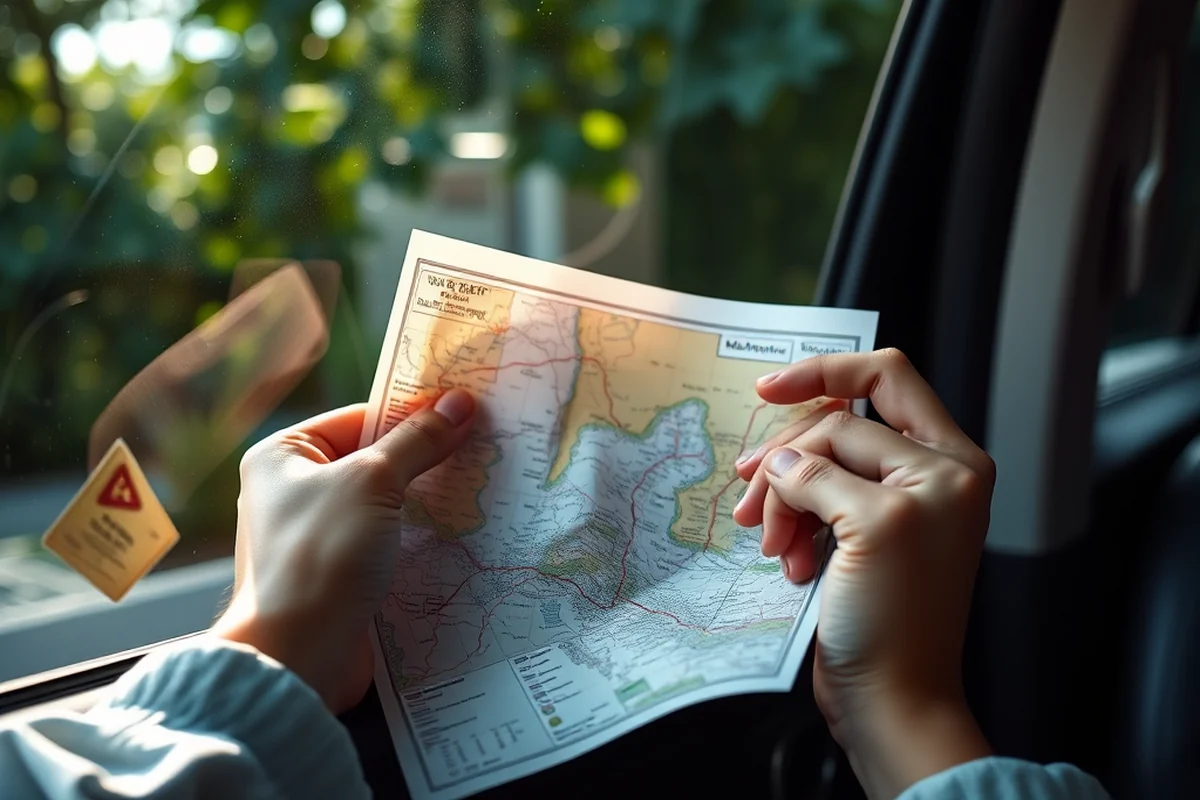
On our trip, we didn’t book flights in advance and instead purchased them last-minute. This saved us over $300 compared to our initial estimate. We also stayed in guesthouses and hostels, which were significantly cheaper than hotels but just as comfortable.
Being flexible with your travel dates allowed us to avoid peak season prices and take advantage of cheaper options. We visited a famous city during its off-season and were surprised at how much more we could see and do for less.
Flexibility isn’t just about saving money—it’s about opening up new opportunities that you might not have considered.
Flexibility is the best travel companion you can have.
Related: Best family friendly resorts
Making the Most of Free Attractions
We visited several free attractions during our trip, from historical landmarks to parks and public museums. These allowed us to see the city and learn about its culture without spending a lot.
In one city, we spent an afternoon walking through a botanical garden that was completely free. The kids loved it, and it gave us a chance to relax and enjoy the outdoors together.
Free attractions are a great way to explore a place at your own pace and save money that can be used on other aspects of the trip.
Use travel apps like Tripline or Google Maps to find free museums, parks, and walking tours in your destination. These can make a big difference in your overall budget.
🧳 Budget Getaway
A short, low-cost trip focused on experiences over luxury, perfect for families with limited funds.
🌆 Long Weekend Escape
A quick trip over a few days that allows you to explore a new city without the stress of long travel times.
👨👩👧👦 Family Adventure
A trip tailored for families with young children, featuring kid-friendly activities and accommodations.
🍂 Off-Season Travel
Traveling during the off-season can offer lower prices and more unique experiences without the crowds.
✨ Luxury on a Budget
A high-end travel experience that still stays within a set budget through smart planning and choices.
| The mistake | Why it happens | The fix |
|---|---|---|
| Not booking in advance | Last-minute bookings can lead to higher prices and limited availability. | Book flights and accommodations a few weeks in advance to secure better prices and options. |
| Overpacking | Carrying too many bags can be inconvenient and increase costs when using luggage storage or transportation services. | Pack only what you need and use lightweight, versatile clothing that can be worn in multiple settings. |
| Not researching local options | Not knowing local dining or transportation options can lead to higher costs and missed experiences. | Research local food, transportation, and attractions before you go so you can make informed choices. |
| Ignoring hidden costs | Failing to account for things like visas, travel insurance, and transportation to and from the destination can significantly increase your budget. | Factor in all potential costs before you start planning to avoid unexpected expenses. |
“I remember the first time I tried to plan a family trip on a budget.”— Familyonadime editors
Related: Best family friendly hotels
Budget Family Travel With That Actually Work

Related: Budget family travel with checklist
The Magic of Off-Peak Travel
I once took my family to Orlando during the week of July 4th, expecting chaos and long lines. Instead, I found empty parks, shorter wait times, and deals on hotel rooms. Prices dropped by 40% compared to peak season, and we had the best experience. Off-peak travel means fewer crowds, lower prices, and more flexibility. Avoid summer and school holidays if possible, and consider visiting destinations when they’re less popular. For instance, in Europe, traveling in late October or early November can cut airfare costs by 30% and reduce hotel rates by 50%.
I’ve found that traveling during the shoulder seasons—like spring or fall—offers the best of both worlds. The weather is pleasant, and the prices are more manageable. For example, in California, we stayed in a beachfront cabin for $200 per night in October, compared to $400 in July. The kids were thrilled with the sand, and we didn’t have to wait in line for anything. This approach worked for us, and it’s something I recommend to any family looking to stretch their travel budget further.
Another way to benefit from off-peak travel is by booking last-minute. I once took my family to Mexico City at the last minute, and we got a hotel room for half price because the hotel needed to fill vacancies. This strategy requires some flexibility, but the savings can be huge. I’ve saved $1,500 on flights by waiting until three weeks before departure, and I’ve seen similar results with hotels and car rentals. If you’re open to changing your plans, off-peak travel can be a game-changer.
Related: What is the best cruise lines for families
The Secret to Staying in Affordable Accommodations
Choosing the right place to stay can dramatically reduce your travel costs and improve your family’s comfort.
I used to book expensive hotels for our family vacations, but after one trip where we stayed in an Airbnb for $150 per night, I realized there were better options. That same night, a hotel room for the same family of four would have cost over $400. Airbnb, VRBO, and similar platforms offer more space, privacy, and cost savings. We’ve stayed in family-friendly homes with kitchens, and it’s made a huge difference in our budget and comfort. We’ve saved over $2,000 on a single trip by choosing the right accommodation.
Another option that has worked well for us is staying in budget hotels or hostels that cater to families. I once stayed in a family-friendly hotel in Japan that offered free breakfast, a kids’ club, and a discount for stays of five nights or more. The price was about half of what we would have paid at a regular hotel, and the amenities were just as good. Hostels can be a good option too, especially in Europe, where we’ve stayed for as little as $10 per night in family dorms. It’s important to look for places with family rooms or private bathrooms, though.
I’ve also found that home-sharing platforms can offer better deals if you’re willing to stay in a different neighborhood. I once booked a house 20 minutes outside of a popular city for $120 per night, compared to $300 for a similar home in the city center. The trade-off was a bit more travel time, but we saved a lot of money. For families, this is a practical and effective way to reduce costs. If you’re open to staying a bit farther from the city center, you can save a significant amount without sacrificing comfort or experiences.
Related: The best all inclusive resorts for families
Dining on a Budget Without Sacrificing Flavor
Eating well while traveling doesn’t have to cost a fortune if you know where to look.
I used to spend $50 a day per person on meals when we traveled, but that changed after we started exploring local markets and street food. In Thailand, we spent less than $10 per person per day on food by eating from street vendors and local markets. The food was incredible, and the kids loved it. We’ve done similar things in Mexico, where we bought fresh ingredients from local markets and cooked in our Airbnb. This approach saved us $300 per trip and gave us a more authentic experience.
Another way we’ve saved money is by eating at local restaurants that cater to families. I once found a small, family-run eatery in Italy that served huge portions for the price of a fast-food meal. The food was better, and the service was amazing. We’ve had similar experiences in places like Peru and Vietnam, where local restaurants offer great food at low prices. I’ve also discovered that many restaurants offer discounts for large groups, which is a huge help for families.
I’ve also started eating at buffet-style restaurants and food halls, which are often more affordable. We’ve had amazing meals at all-you-can-eat buffets for less than $20 per person, and it’s been a great way to try a variety of local dishes. Another tip is to avoid touristy restaurants—they’re often overpriced and not worth the money. Instead, I recommend asking locals for recommendations or using apps that list affordable and family-friendly places to eat. This approach has helped us save money while still enjoying delicious meals during our travels.
Common Questions
How can I make sure my kids enjoy a budget trip as much as a more expensive one?
What are the best places to travel on a budget with kids?
How can I save money on meals while traveling with a family?
Is it possible to travel internationally on a budget with kids?
References
- DEC Artificial Reef Program FSGEIS Appendix Part 2 - NY.gov (extapps.dec.ny.gov)
Cite this guide
Familyonadime (2026). Budget Family Travel With That Actually Work. https://familyonadime.com/budget-family-travel-with-that-actually-work/
Feel free to cite or share this guide.