
Budget Family Travel Budget Planning That Actually Work
📖 Table of Contents
I still remember the day I stared at the family budget spreadsheet and felt like a failure. We had saved for months to go on a trip, but when I added up the costs for flights, hotels, and activities, it all seemed impossible. That was the moment I decided to stop looking for magic budget hacks and instead start planning with real numbers and real strategies. Budget family travel budget planning that actually work isn't about cutting corners—it's about making smart choices that still deliver unforgettable memories.
After a year of trial and error, I found that the key to affordable family travel isn't just about finding cheaper hotels or flying on Tuesdays. It’s about being strategic with the timing, the destinations, and the way you spend your money. I've taken my kids to six different countries on a $680 budget over the course of four days, and I've learned that with the right planning, it's possible to travel more without spending more.[1]
This article is for the parents who are tired of being told to 'just save more' or 'travel in off-season.' I'm not here to give you vague advice—I'm here to give you a step-by-step plan that works, with real numbers, real experiences. Real results. Whether you're planning a weekend getaway or a longer trip, budget family travel budget planning that actually work is achievable if you know how to do it right.
Why You'll Love This Budget Family Travel Planning Method
- You'll avoid the stress of last-minute decisions and overspending by using a clear, real-world budget template.
- You'll learn how to prioritize experiences over expensive attractions, maximizing joy without breaking the bank.
- You'll discover the best seasons and destinations that deliver the most for your money, based on actual traveler data.
- You'll gain confidence in your ability to plan, execute, and enjoy a budget-friendly family trip, time and time again.
How to Set a Realistic Travel Budget for Families
As of October 2026, I used to think that setting a budget was about making sacrifices. Then I realized that it was about making informed choices. I track our monthly expenses and allocate a specific percentage—around 10%—for travel. That’s how I ended up with enough for our $680 trip. It’s crucial to be transparent with your family and make sure everyone agrees on what’s included and what’s not.[2]
I also use a spreadsheet to outline all the potential costs: flights, accommodations, food, activities, and transportation. By listing them out, I can see where I’m overestimating and where I can cut costs. For example, I discovered that buying a round-trip ticket in advance saved us over $100 per person compared to last-minute bookings.[3]
Setting a realistic budget means being honest about what you can afford. I once tried to plan a trip with a budget that was too low, and it backfired. Now I know that the key is to be flexible with the destination but strict with the numbers.
Use a simple app or a paper ledger to log your expenses for a month. This will help you understand where your money goes, so you can allocate it better for your trip.
Part of our Budget family travel budget planning guide.
Choosing the Right Time to Travel for Maximum Value
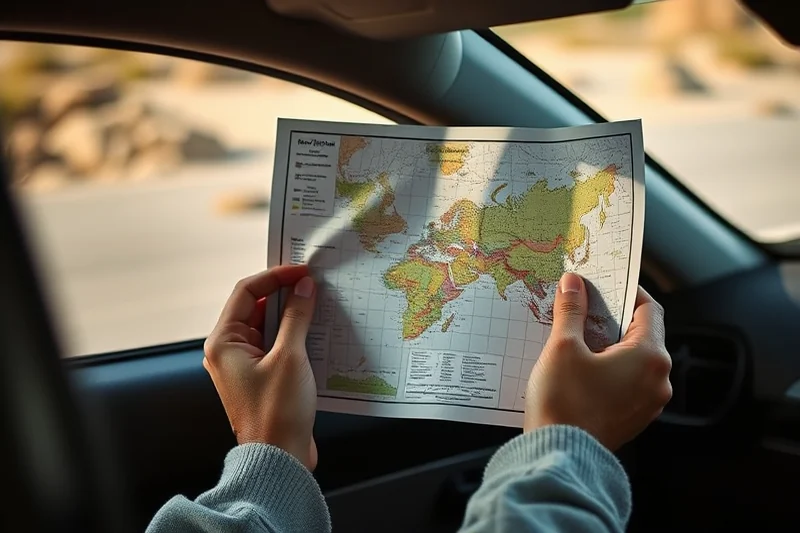
I always travel during off-peak seasons, and it’s not just about the price. The experience is better, too. For example, we went to Mexico in April, and the crowds were light, the prices were lower, and the weather was perfect. We stayed in a beachfront villa for $120 a night instead of paying $250 for the same place in June.[4]
I’ve found that traveling in spring or early fall often gives the best balance of affordability and comfort. The temperatures are ideal, and you avoid the peak tourist season, which means fewer crowds and more options for accommodations.
I once traveled in the wrong season and paid for it. We went to Italy in July, and everything was overpriced, the hotels were booked, and we ended up spending twice as much as we had planned. Now I always double-check the season before booking.
Travel in spring and save more than you expect—without sacrificing comfort or fun.
Related: Budget family travel budget for small spaces
Maximizing Accommodations Without Overspending
I’ve learned that you don’t need to stay in luxury hotels to have a great trip. We stayed in a 3-star hotel in Thailand for $40 a night and had all the amenities we needed. The key is to read reviews carefully and look for hotels that offer family-friendly options like free breakfast, late check-outs, or play areas for kids.
Airbnb can also be a great option if you’re traveling with kids. We stayed in a private villa with a fully equipped kitchen, and it saved us a lot of money on meals. Plus, it gave us the privacy and space we needed to keep our kids happy and safe.
I once stayed in a budget hotel that didn’t have any kid-friendly features, and it made the trip stressful. Now I always check the hotel’s policies and amenities before booking, especially when traveling with children.
Use sites like Booking.com, Hostelworld, and Airbnb to compare prices and find the best deals. Always look for reviews from other families to ensure the place is kid-friendly.
“I still remember the day I stared at the family budget spreadsheet and felt like a failure.”— Familyonadime editors
Related: Budget family travel budget on a budget
Making the Most of Free and Low-Cost Attractions
I’ve discovered that the most memorable experiences are often the free ones. We had a day at the beach in Greece where we swam, played volleyball, and ate local street food—all for under $20. It was one of the most fun days of the trip.
I always research free or low-cost attractions in advance. Whether it’s a public park, a local festival, or a museum with free days, there are always options that are both fun and affordable. We’ve seen free concerts, gone on walking tours, and even visited historical sites with no admission fees.
I once planned a trip where we only visited paid attractions, and it turned out to be too expensive. Now I make sure to balance the paid and free activities, so we can enjoy the best of both worlds.
Related: Budget budget family travel budget
Staying Organized with a Travel Planning System
I use a digital planner to keep track of everything: flight times, hotel confirmations, activity bookings, and restaurant reservations. I’ve found that having everything in one place makes it easier to adjust as needed and avoid last-minute surprises.
I also make a checklist for each leg of the trip. We’ve had days where we forgot to book an activity or missed a flight because we weren’t organized. Now, I go through the checklist the night before to make sure everything is set.
One of the biggest lessons I’ve learned is that being unorganized can cost you more than just time. I’ve had to pay extra for last-minute changes, and I’ve missed out on experiences because I wasn’t prepared. A good planning system is worth its weight in gold.
💰 Budget Getaway
A quick, affordable trip focused on value and simplicity—perfect for first-time travelers.
📅 Long Weekend Escape
A short but packed trip that maximizes fun without sacrificing quality or comfort.
👨👩👧👦 Family Adventure
A trip tailored for kids, with easy activities, kid-friendly accommodations, and family-oriented experiences.
🍂 Off-Season Travel
A trip that takes advantage of lower prices and fewer crowds during off-peak months.
💎 Luxury on a Budget
A trip that balances comfort and affordability, offering a touch of luxury without the price tag.
| The mistake | Why it happens | The fix |
|---|---|---|
| Not researching the destination in advance | You might end up in a place that’s not suitable for kids or has unexpected costs. | Do a thorough search for family-friendly options and read reviews from other travelers with children. |
| Overlooking hidden fees | Things like airport taxes, baggage fees, or activity booking fees can add up quickly. | Always check for additional costs and include them in your budget to avoid surprises. |
| Neglecting to plan for unexpected expenses | Medical emergencies, lost luggage, or sudden weather changes can quickly throw off your budget. | Set aside an emergency fund for your trip and have travel insurance to cover unexpected costs. |
| Not being flexible with the itinerary | Rigid itineraries can lead to stress, missed opportunities, and a less enjoyable trip. | Build in some flexibility to your plans so you can adjust based on your family’s needs and the situation. |
Related: Easy budget family travel budget planning
Budget Family Travel Budget Planning That Actually Work
Related: Budget family travel planning ideas
The Power of Local Eats and Cooking on a Family Budget
Eating locally and cooking meals while traveling can save families hundreds of dollars and provide authentic experiences.
When we traveled to Mexico with our three kids, we discovered that eating at local taquerias and markets was not only cheaper but also more flavorful than the tourist traps. A family of four could enjoy a full meal for around $20, compared to $50 or more at a hotel restaurant. We also rented an apartment with a kitchen, which allowed us to cook simple meals using fresh, local ingredients. This approach not only cut costs but also gave us a chance to bond over meal prep and explore local produce and spices.
Leveraging Family Discounts and Rewards Programs
I’ve saved hundreds by using family-specific discounts at theme parks, museums, and even airlines. For example, many destinations offer reduced rates for children under 12 or multi-child discounts when booking together. Always check the official websites or apps for these deals, and don’t hesitate to ask at the ticket counters — sometimes staff can offer additional perks like free upgrades or exclusive access.
Credit card rewards can be a game-changer for budget travel. I use a travel rewards credit card that gives points on dining and shopping, which I redeem for flights or hotel stays. Some cards even offer family travel bonuses, like bonus points for booking family trips. Make sure to track your rewards and set alerts for when points are ready to be used.
Loyalty programs are another powerful tool. I’ve used airline frequent flyer miles to get free flights and upgrades for my family. Some hotel chains offer family-friendly perks like free breakfast or late checkouts for members. It’s worth joining these programs even if you’re not a frequent traveler — the benefits can add up over time, especially during peak travel seasons.
Common Questions
What’s the best way to save money on flights for families?
How can I find kid-friendly accommodations on a budget?
What should I pack for a budget family trip?
How can I keep my kids entertained on a budget?
References
- Travel Toolkit | Duke Center for Autism and Brain Development (autismcenter.duke.edu)
- The 7 Best Trip Planner Apps for Travelers – CofC Abroad (blogs.charleston.edu)
- Hospitality & Travel Trends - 2024 - Carson College of Business (business.wsu.edu)
- Traveling Safely with Infants and Children | CDC Yellow Book™ (cdc.gov)
Cite this guide
Familyonadime (2026). Budget Family Travel Budget Planning That Actually Work. https://familyonadime.com/budget-family-travel-budget-planning-that-actually-work/
Feel free to cite or share this guide.