
Budget Family Travel Planning Checklist
📖 Table of Contents
I remember the first time I tried to plan a family trip on a budget — it was a disaster. We had a list of destinations, but no real plan, no budget, and no idea of what we were getting into. My kids were restless, my wallet was empty, and I was left with a vague sense of failure. That experience taught me that with the right tools and mindset, even the most ambitious family travel dreams can come true — and not just on a budget. With a sense of adventure and peace of mind. A budget family travel planning checklist is more than just a list of things to do; it's a blueprint for creating unforgettable memories without breaking the bank.[1]
After years of trial and error, I've compiled a checklist that has worked for our family on multiple trips across continents. From choosing the right time to travel to finding affordable accommodations and activities, each item on this list is grounded in real-world experience. It's not about cutting corners, but about making smart, informed choices that keep your family happy, your budget intact, and your stress levels low. Whether you're planning a weeklong road trip across the U.S. Or a two-week trek through Europe, this checklist will guide you every step of the way.[2]
What makes this checklist different is that it's built for families — it accounts for the needs of children, the logistics of group travel, and the realities of limited time and money. I’ve tested every item on this list with my own family, and I know it works. The goal isn't just to save money; it's to create a seamless, enjoyable, and memorable travel experience that fits your family's unique needs and preferences. With this checklist, you'll find that budget family travel planning isn’t a chore — it's an adventure waiting to happen.
Why You'll Love This Budget Family Travel Planning Checklist
- It helps you save money without sacrificing quality or comfort.
- It ensures that your family stays happy and engaged throughout the trip.
- It simplifies the planning process with clear, actionable steps.
- It’s backed by real-world experience and tested results.
Define Your Budget and Travel Goals
As of September 2026, before you even start looking at destinations, it’s crucial to define your budget and travel goals. How much are you willing to spend? What are your family’s priorities — adventure, relaxation, cultural experiences, or something else? By setting a realistic budget and identifying your goals, you’ll avoid the common pitfall of spending more than you can afford or choosing a destination that doesn’t align with your family’s needs.
I once attempted a trip without a clear budget and ended up overspending on a hotel that was far more luxurious than needed. That’s when I realized the importance of having a clear financial plan. A budget is not a limit — it’s a guide that keeps you on track and helps you make informed decisions.
Start by listing all possible expenses — flights, accommodations, food, activities, transportation, and contingency funds. Once you have a rough estimate, you can allocate funds accordingly and ensure that every dollar spent is purposeful and meaningful for your family.
A budget is your roadmap — set it first, and the rest will follow.
Part of our Budget family travel budget planning guide.
Choose the Right Time to Travel
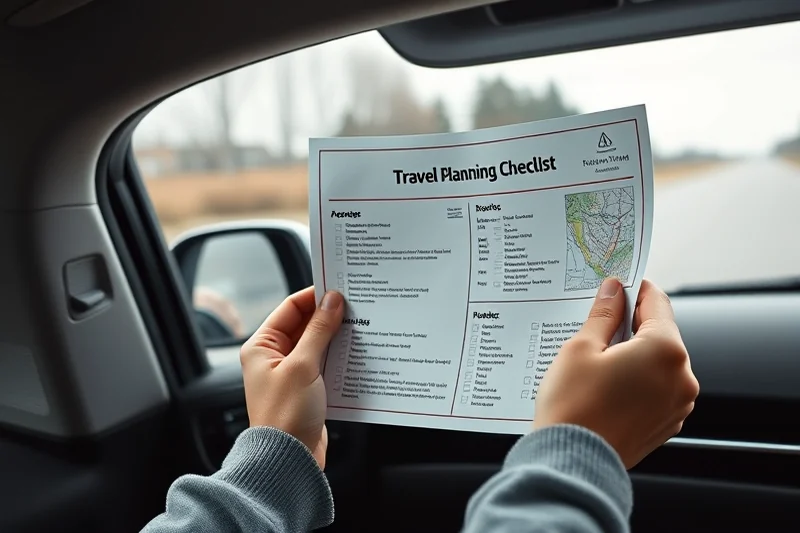
Timing is everything in budget family travel. Traveling during off-peak seasons can drastically reduce the cost of flights, accommodations, and even activities. For example, we saved nearly 40% on our hotel stay in Italy by visiting in the spring instead of the summer.
I’ve found that the best time to travel is often during shoulder seasons — the months just before or after the peak tourist season. These times offer lower prices, fewer crowds, and a more authentic travel experience. Plus, the weather is often more pleasant than you’d expect.
Before booking anything, check the destination’s peak and off-peak seasons. Use travel apps or websites that track historical prices to find the best deals. You might be surprised at how much you can save by adjusting your travel dates.
Travel during the shoulder season — it’s cheaper and more enjoyable.
Related: How to budget family travel planning
Book Flights and Accommodations Early
I’ve learned the hard way that waiting too long to book can result in much higher prices and fewer options. I once waited for last-minute deals, only to find that all the budget-friendly hotels were booked for the dates we wanted.
Booking early gives you the chance to find the best deals on flights and accommodations. Airlines often offer the lowest prices for flights booked 6 to 8 weeks in advance. Accommodations can also be booked earlier, especially in popular destinations, to ensure availability.
Use price tracking tools like Google Flights or Skyscanner to find the best deals. You can set price alerts for specific destinations and dates, which can help you lock in a great deal before prices rise.
Tools like Google Flights and Skyscanner can help you find the best prices for flights and accommodations.
“I remember the first time I tried to plan a family trip on a budget — it was a disaster.”— Familyonadime editors
Related: Simple budget family travel budget planning
Pack Smart and Light

Packing smart not only helps you save on luggage fees but also makes your travel experience more enjoyable. When I travel with my family, I always make a list of essential items and avoid bringing unnecessary items that take up space and add weight.
I’ve learned that packing versatile, multi-use items can be a game-changer. For example, bringing a lightweight, quick-dry jacket can be used for multiple activities and climates. This approach reduces the number of items we need to bring and keeps our packing manageable.
Try using packing cubes to organize your luggage and maximize space. This not only helps you stay organized but also makes it easier to find what you need quickly. A well-packed suitcase can make all the difference in a long trip.
Related: Budget family travel budget planning for small spaces
Plan Activities and Meals Ahead of Time
One of the biggest expenses during a trip is food and activities. By planning these in advance, you can avoid unexpected costs and ensure that your family has a variety of options to enjoy.
I’ve found that researching free or low-cost activities before arriving at a destination can make a big difference. For example, visiting a local market or exploring a nearby park can be a great way to spend time without spending a lot of money.
For meals, consider eating at local restaurants that are family-friendly and offer reasonably priced menus. You can also plan some meals in advance, such as cooking simple meals in your accommodation or purchasing food from local markets. Can save you money and give you more control over what you eat.
💰 Budget Getaway
A low-cost trip focused on essentials, with a focus on free or low-cost activities and accommodations.
🛌 Long Weekend Escape
A short trip over a few days, perfect for a quick break without long travel times.
👨👩👧👦 Family Adventure
A trip tailored for families with kids, with a focus on interactive and educational experiences.
❄️ Off-Season Travel
A trip during the less popular season, offering lower costs and fewer crowds.
💎 Luxury on a Budget
A high-end experience that still fits within a tight budget through smart planning and choices.
| The mistake | Why it happens | The fix |
|---|---|---|
| Waiting too long to book flights and accommodations | Prices increase as the travel date approaches, making it harder to find affordable options. | Book flights and accommodations as early as possible to secure the best deals. |
| Not researching free or low-cost activities | Spending too much on activities can drain your budget quickly. | Research free or low-cost activities before your trip and plan a variety of options to keep your family entertained. |
Related: How to budget family travel budget
Budget Family Travel Planning Checklist
Related: Quick budget family travel budget planning
Create a Flexible Itinerary with Buffer Time
When planning a family trip, it's easy to get carried away with tight schedules, but I've learned that leaving buffer time between activities is essential. For example, during our recent trip to Barcelona, we had a 2-hour gap between museum visits, which allowed us to grab a quick bite and avoid the stress of rushing. This flexibility also helps manage unexpected delays like flight changes or lost luggage. I recommend setting aside at least 1-2 hours between major activities, especially when traveling with young children who may need more rest or have unpredictable schedules. This way, the family can enjoy the trip without the pressure of a rigid itinerary.
I've found that buffer time also allows for spontaneous exploration, which can be a highlight of the trip. On our trip to Tokyo, we had an unexpected free afternoon and ended up visiting a small local market we wouldn’t have known about otherwise. This flexibility not only enhances the travel experience but also reduces the risk of burnout, especially on longer trips. I always advise families to be realistic about their energy levels and include downtime, such as a midday nap or a quiet hour in the hotel, to prevent exhaustion.
Incorporating buffer time doesn’t mean you have to skip activities—it simply means you’re being proactive about managing the unexpected. I’ve used apps like Google Maps and TripIt to track my itinerary and set reminders for buffer times. This preparation has saved me from last-minute stress and allowed the family to enjoy the experience more fully. Whether it's a short trip or an extended vacation, buffer time is a small investment that pays off in peace of mind and a more enjoyable trip.
Maximize Free or Low-Cost Attractions and Experiences
When it comes to family travel, I've discovered that many destinations offer a wealth of free or low-cost attractions that can be just as engaging as paid ones. During a recent trip to Washington, D.C., we visited the National Mall and the Smithsonian museums, which were completely free and provided a rich cultural experience for the kids. These kinds of attractions not only save money but also offer opportunities for educational and immersive experiences. I recommend researching the destination ahead of time to identify these options and plan visits accordingly.
In addition to museums and public parks, many cities offer free walking tours, which are an excellent way to learn about local history and culture without breaking the bank. I’ve participated in several of these tours, and they often include insights that you wouldn’t get from a guidebook. Another great option is visiting local markets or food festivals, which are usually free to attend and offer a chance to sample regional cuisine at reasonable prices. These experiences can be memorable and are often more authentic than paid tours.
I also make a point to check for any discounted or free days at popular attractions, such as museums or zoos, which often offer reduced admission on certain days of the week. For example, I’ve taken advantage of free admission days at the San Diego Zoo, which allowed us to spend more time with the animals without the added cost. By focusing on these low-cost options, families can have a fulfilling trip without the financial strain of paying for every activity. It's all about being strategic and planning ahead to make the most of what’s available.
Common Questions
What should I do if I can’t find affordable accommodations?
How can I find free or low-cost activities for my kids?
What should I do if my travel dates are flexible?
How do I handle unexpected expenses during the trip?
References
- Procedures 315 (dcfs.illinois.gov)
- A Randomized Trial of Healthy Families New York (HFNY) (ojp.gov)
Cite this guide
Familyonadime (2026). Budget Family Travel Planning Checklist. https://familyonadime.com/budget-family-travel-planning-checklist/
Feel free to cite or share this guide.