
Diy Budget Family Travel Food
📖 Table of Contents
Traveling with a family on a budget can feel like walking a tightrope — balancing fun, comfort, and cost. I remember my first attempt to take my two young kids on a three-week road trip across the American Southwest. I had a vague idea of buying groceries and prepping meals in the hotel, but I was unprepared for how quickly my budget could vanish if I wasn’t careful. The key to success? DIY budget family travel food. It’s not just about saving money — it’s about creating a travel experience that’s rich in connection, convenience, and flavor, without the sticker shock.
DIY budget family travel food is more than a strategy — it’s a lifestyle shift that allows you to move freely, eat well, and avoid the stress of constantly dining out. I learned this the hard way after a disastrous trip where I spent $1,500 on fast food and hotel breakfasts. That’s when I realized that packing meals and snacks in advance could not only save money but also create a more authentic and immersive travel experience. My family started cooking and preparing meals at home before the trip. We carried them with us in reusable containers and coolers — a game-changer that made our travels both more enjoyable and more affordable.[1]
Now, when I plan a trip, I treat meal planning as a core part of the itinerary. It’s not about sacrificing taste or variety — in fact, it’s the opposite. With careful planning, you can bring meals that are both nutritious and delicious, tailored to your family’s preferences, all while avoiding the trap of overspending. I’ve tested this approach on multiple trips, and each time, it’s made the difference between a stressed-out, over-budget journey and one that’s smooth, fun, and full of memories.[2]
Why You'll Love This Approach to Family Travel
- Significantly reduces meal costs compared to eating out
- Provides consistent, healthy meals tailored to your family’s tastes
- Encourages more time together and less stress at meal times
- Allows for greater flexibility and freedom in choosing destinations
How to Plan Meals for Your Trip
As of September 2026, I start by looking at the number of days and meals we’ll need. For a 4-day trip, that’s typically 12 meals — 4 breakfasts, 4 lunches, and 4 dinners. I write out a meal plan, making sure to include variety and balance. I also consider the number of people, dietary restrictions, and what we’ll have access to while traveling.
For example, on one of our trips to Colorado, we planned to have pancakes with eggs for breakfast, sandwiches for lunch, and pasta for dinner each day. I packed the ingredients in advance and used a cooler to store perishables. This approach made our meals feel more like a home-cooked experience, even on the road.
One of the most important parts of meal planning is considering storage and preparation. I use airtight containers, reusable bags, and coolers to keep everything fresh. I’ve also learned to pack meals that require minimal prep — like pre-cut veggies, pre-cooked proteins, and no-cook meals like salads or wraps.
Use reusable containers and label them by meal and day. This helps avoid confusion and saves time during the trip. I always pack a cooler with ice packs for perishables and a separate dry bag for non-perishables.
Part of our Budget family travel food stops guide.
What to Pack for Your Meals
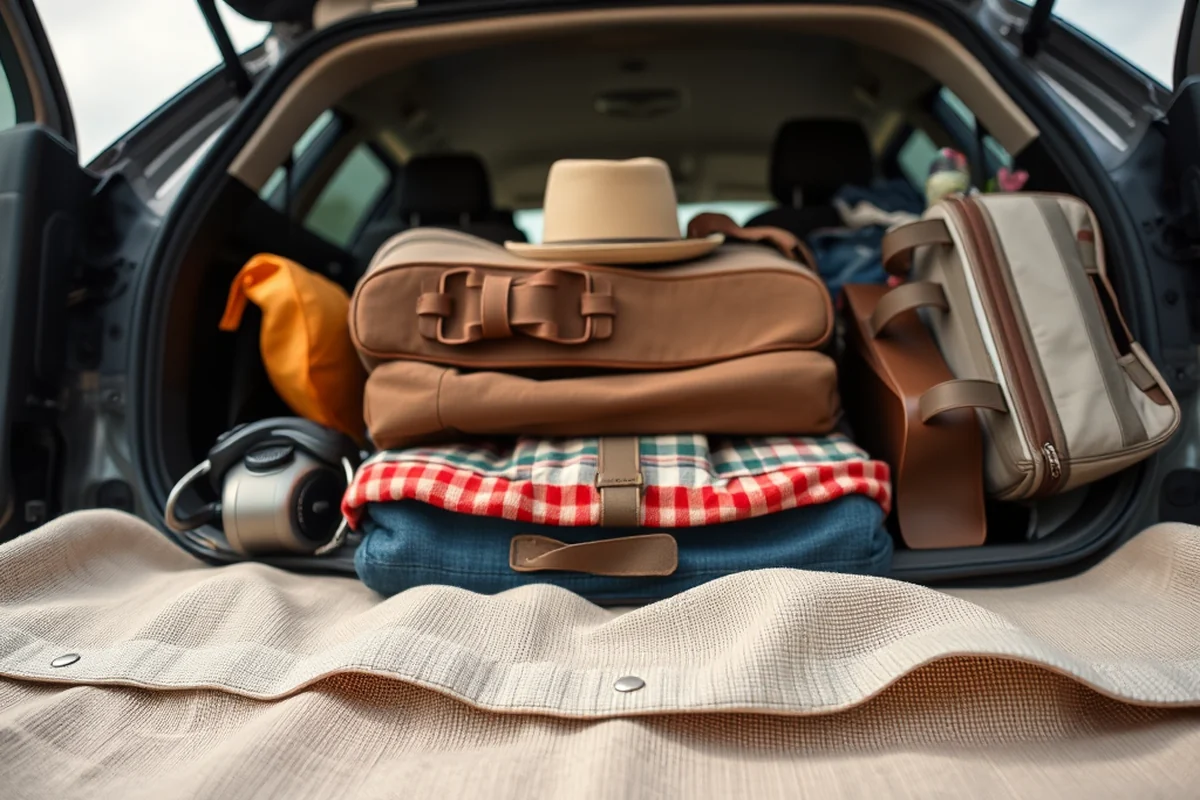
I always pack a variety of non-perishable items like rice, canned beans, pasta, oats, and peanut butter. These are versatile and can be used in multiple dishes. For example, I’ve used rice and beans to make a simple one-pot meal, and pasta with peanut butter for a quick and healthy dinner.
I also bring a few fresh ingredients that can be stored in a cooler, like eggs, cheese, and fresh fruits. I’ve found that bringing a small bag of frozen fruit is a great way to add flavor and nutrition to meals without the need for refrigeration.
Another tip is to bring small, reusable containers for storing leftovers. I often use these to repurpose meals — like turning leftover chicken into a sandwich or using leftover vegetables to make a stir-fry the next day.
What you bring can make or break your trip. Focus on variety, storage, and reusability.
Related: Budget family travel food stops that actually work
How to Save Money on Food While Traveling
I’ve found that buying in bulk at the beginning of the trip is one of the best ways to save money. For example, I buy a large bag of rice, a case of canned beans, and a few packages of frozen meat. This way, I can cook meals at a fraction of the cost of eating out.
Another way to save is by buying local produce and groceries. I’ve had great luck at farmer’s markets, where I can often find fresh, affordable ingredients. I’ve even found that bringing a cooler and shopping at local stores while on the road can be more cost-effective than buying everything in advance.
I’ve also learned that meal prepping at home before the trip is a game-changer. It reduces food waste and ensures that we have exactly what we need for each meal. I’ve seen a difference in our budget and how much food we waste when we pre-prepare meals.
Buy in bulk from discount stores or wholesale clubs for non-perishables. Look for deals on local markets and use coupons or apps to find the best prices in your area. Always compare prices before buying.
“Traveling with a family on a budget can feel like walking a tightrope — balancing fun, comfort, and cost.”— Familyonadime editors
Related: Budget family travel food stops tips
How to Store and Keep Meals Fresh
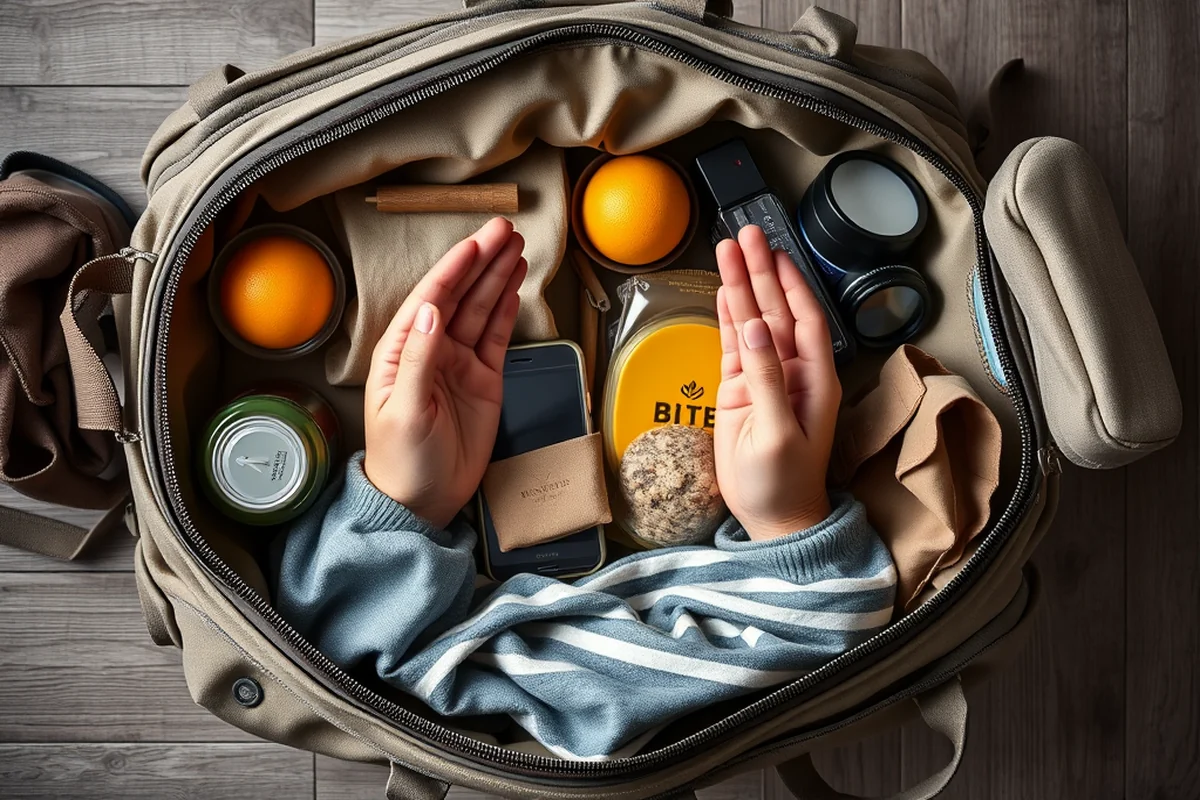
I always bring a large cooler with ice packs for perishables like eggs, cheese, and meats. I also use a dry bag for non-perishables like rice, pasta, and canned goods. I’ve found that keeping these items separated helps avoid cross-contamination and keeps everything organized.
For meals that need to be eaten later in the day, I pack them in reusable containers with tight-fitting lids. I’ve learned that using containers with dividers helps keep different components of the meal separate — like storing veggies in one section and proteins in another.
I also use small, lightweight containers for snacks and leftovers. This way, I can easily take meals on the go and avoid the hassle of carrying a cooler everywhere. I’ve found that this approach makes meal times more flexible and less stressful.
Related: Affordable budget family travel food stops
Making the Most of Your Meals on the Road
I’ve found that having a few versatile ingredients like rice, pasta, and canned beans can go a long way. I’ve made everything from rice bowls to pasta casseroles, and I’ve even turned frozen meat into a quick stir-fry. The key is to be creative with what you have.
I also like to bring a few condiments and spices to add flavor to meals. I’ve packed items like mustard, ketchup, hot sauce, and even a small bag of salt and pepper. These simple additions can make a big difference in taste.
I’ve also found that sharing meals with other travelers can be a great way to save time and money. On a recent trip, I met a family who was also cooking on the road, and we ended up swapping meals and tips. It was a fun way to connect and share ideas.
💰 Budget Traveler
Focus on non-perishables, bulk shopping, and minimal prep. Ideal for those who want to stretch their budget as far as possible.
🧳 Long Weekend Getaway
Pack only enough for three days, focusing on quick and easy meals. Great for a short trip with minimal planning.
👨👩👧👦 With Kids
Include kid-friendly meals, like sandwiches and pasta. Make sure to have snacks and meals that can be eaten on the go.
🍂 Off-Season Travel
Take advantage of lower prices on groceries and accommodations. Plan meals that are easy to store and transport.
🏨 Luxury Traveler
Combine DIY meals with gourmet ingredients and high-quality equipment. Ideal for those who want to enjoy the best of both worlds.
| The mistake | Why it happens | The fix |
|---|---|---|
| Not considering storage | Poor storage can lead to food spoilage, contamination, and difficulty in accessing meals on the go. | Use a combination of coolers, dry bags, and containers to keep everything organized and safe. |
| Ignoring dietary needs | Failing to account for allergies or restrictions can lead to uncomfortable or unsafe meals. | Plan meals ahead of time and include options that work for everyone in the family. |
Related: Budget budget family travel food stops
Diy Budget Family Travel Food
Related: Budget family travel food stops step by step
How to Handle Dietary Restrictions on a Budget
Managing dietary restrictions while traveling can be tricky, but with a bit of planning, it's entirely doable without breaking the bank.
When traveling with children who have dietary restrictions—whether they're vegetarian, gluten-free, or allergic to certain foods—it's important to have a backup plan for meals. I always carry a small stash of safe snacks, like rice cakes, nut butter packets, or pre-cut veggies, in my carry-on. These are easy to grab on the go and can be a lifesaver when restaurant options are limited or unreliable. I've learned that restaurants in many countries are now more accommodating than ever, especially in tourist areas, but it's still wise to have alternatives.
I've found that prepping meals in the hotel kitchen can be a cost-effective and stress-free solution. For example, I bought a portable rice cooker for $25 that can make enough rice for four people in under 30 minutes. This way, I can cook meals that meet everyone's dietary needs without relying on expensive or questionable restaurant options. I've used this method on a trip to Thailand, and it saved us over $100 in restaurant meals over the course of a week.
Another tip is to research local grocery stores or markets before arriving. In places like Mexico or Vietnam, you can often find fresh, affordable produce and ingredients that align with specific diets. For example, I purchased gluten-free tamari and quinoa at a local market in Peru for about half the price I would have paid in the US. These small investments can make a big difference in keeping meals both healthy and budget-friendly, especially when traveling with kids who may be picky eaters or have specific requirements.
Common Questions
How can I keep meals fresh while traveling?
What should I pack for a family trip?
How much does meal prepping save me?
Can I use the same meals for breakfast, lunch, and dinner?
References
- Good Nutrition Starts Early - CDC (cdc.gov)
- managing work and family responsibilities, solving personal ... - ERIC (files.eric.ed.gov)
Cite this guide
Familyonadime (2026). Diy Budget Family Travel Food. https://familyonadime.com/diy-budget-family-travel-food/
Feel free to cite or share this guide.