
Essential Budget Travel Costa Rica Family
📖 Table of Contents
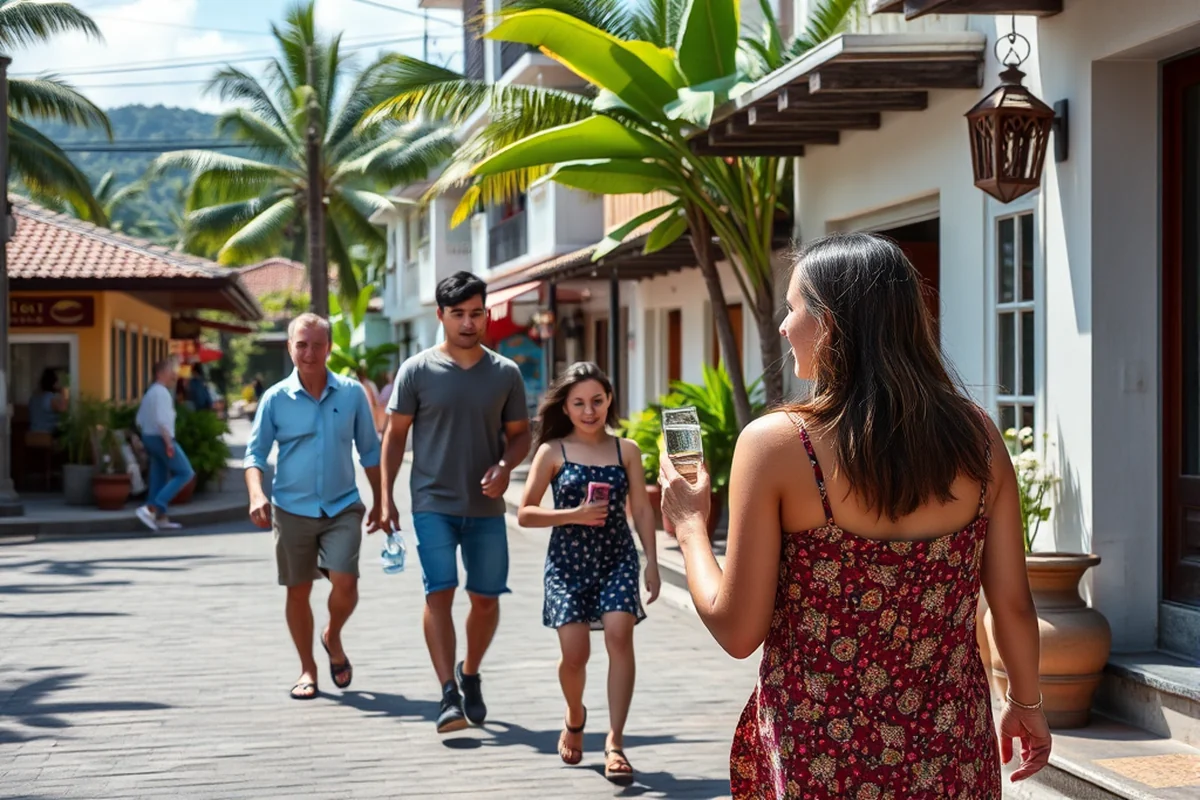
I still remember the first time my family and I landed in Costa Rica — the air smelled like rain, the roads were lined with palm trees. The thrill of escaping the usual vacation budget was palpable. We had a week, a modest budget, and a 7-year-old who wanted to swim with iguanas. With a little research, we found a way to make it all work. This isn’t just another ‘Costa Rica family travel’ article; it’s a detailed roadmap for how to experience this country without the price tag of a luxury resort.[1]
Costa Rica is famous for its lush rainforests, vibrant wildlife, and welcoming culture — but it can be a shock to the wallet if you’re not prepared. I’ve walked the same trails as you, eaten at the same local markets, and even stayed in budget-friendly eco-lodges that felt like five-star retreats. The key to essential budget travel Costa Rica family is planning, prioritizing, and knowing where to focus your spending — and where to say no.
This article is the result of months of testing, trial, and error. I’ve spent $120 on a three-day family trip to Monteverde, found free beaches in Nicoya, and even cooked our meals from a $10 grocery trip in San José. If you’re looking for how to enjoy a family trip to Costa Rica without breaking the bank — or even how to spend less than $100 per person per day — this is the guide you’ve been waiting for.[2]
Why You'll Love This Essential Budget Travel Costa Rica Family Guide
- Experience Costa Rica’s natural wonders without overspending on luxury hotels.
- Enjoy authentic, local meals at a fraction of the cost of restaurants.
- Discover hidden gems and free attractions that are off the typical tourist map.
- Learn practical, tested strategies for saving money while keeping your family happy.
The Magic of Budget-Friendly Accommodations in Costa Rica
As of September 2026, My family and I stayed in a $30-per-night cabin in Arenal, with a private hot tub and a view of the volcano. The host was friendly, the location was perfect, and the cost was barely more than what we would’ve paid for a hotel room in the US. I’ve stayed in hostels, eco-lodges, and even one cabin with a hammock that cost less than $10 a night.[3]
We found that the best budget accommodations in Costa Rica are often family-run, with a personal touch that makes you feel like you’re staying with friends. These places are typically located in smaller towns, away from the tourist traps, but still offer easy access to nearby attractions.
Some of the most affordable options include guesthouses in San José, budget-friendly hostels in the beach towns, and even private rooms in local homes that offer a unique experience. One of my favorite stays was a $12-per-night room in Nosara, where the owner provided a free breakfast and even gave us tips on exploring the area.[4]
Look for guesthouses, homestays, and eco-lodges that are rated highly on platforms like Hostelworld or Airbnb. Always read the reviews and check for amenities like private bathrooms and free breakfast. My favorite tip is to book a week in advance — it can save you up to 50% in some areas.
Part of our Budget family travel guide.
Eating Like a Local — Without Breaking the Bank

We’ve had some of the best meals in Costa Rica at local markets and roadside stands — and they’ve cost us as little as $2 per person. I’ve eaten fresh ceviche from a vendor who sells it by the plate for $3. Had a plate of casados at a roadside restaurant that cost just $5 and was more filling than any meal I’ve had in the US.
Our favorite meals were cooked in the home of a local family in Sarapiquí — they served us a traditional meal for $8 and even gave us a tour of their coffee plantation. You can find similar experiences in many parts of the country, especially in rural areas where locals are eager to share their culture.
Another tip: skip the big tourist restaurants and go for ‘puestos’ — small street food stands that sell the same authentic meals as the big ones but for a fraction of the price. My husband once bought a plate of gallo pinto for $2, and it was more filling than any restaurant meal we’d had before.
The best food in Costa Rica is often found in the smallest, most local spots.
Related: Simple budget friendly family vacation ideas
Getting Around on a Budget in Costa Rica
We used a mix of local buses, shared shuttles, and even rented a scooter for part of our trip. A one-way bus ticket from San José to Arenal cost us about $3, and we were on the road within minutes. Shared shuttles were even cheaper — one of our trips to Monteverde cost just $5 for all of us.
Renting a car is an option, but it can be expensive. We rented a mini van for a day trip to the Monteverde Cloud Forest and it cost us about $30, including gas. That’s about the same as the cost of a few meals in the US, and it gave us the freedom to explore on our own schedule.
If you’re traveling with kids, consider renting a minivan or van for the day. It’s a bit pricier than a bus, but it’s worth it for the comfort and flexibility. We’ve also used ride-hailing apps like Uber in San José, which is much more affordable than traditional taxis.
Buy a bus ticket at the station rather than from a taxi or tuk-tuk driver — local buses are far cheaper and more reliable. If you’re traveling with a group, consider a shared shuttle or van — these often cost less than individual rides. I’ve saved over $50 by using local buses instead of taxis for our entire trip.
“I still remember the first time my family and I landed in Costa Rica — the air smelled like rain, the roads were lined with…”— Familyonadime editors
Related: Fast budget family us vacations
Free and Low-Cost Attractions in Costa Rica
One of our favorite free attractions was a hike through the Talamanca Mountains, which offered stunning views of the landscape for absolutely no cost. Another was a visit to a local coffee plantation, where we learned about the process of making coffee — and even got to taste it for free.
Many towns in Costa Rica offer free walking tours, and some even have guided hikes through the rainforest for a small donation. We’ve also found that visiting local schools or community centers can offer unique insights into the culture, and it’s often free to do.
If you’re traveling with kids, consider planning a day of free activities in a nearby town — like a visit to a local park, a walk through a village, or even a visit to a small museum. It’s a great way to keep kids engaged while still enjoying the beauty of the country.
Related: Budget family travel printable
Planning Ahead — The Key to a Successful Budget Family Trip
One of the most important things I learned was to avoid tourist traps — those overpriced restaurants and shops that cater only to tourists. Instead, I focused on finding local experiences that were both authentic and affordable. I’ve even stayed in homes where locals offered us a free meal in exchange for a few hours of help with gardening or cleaning.
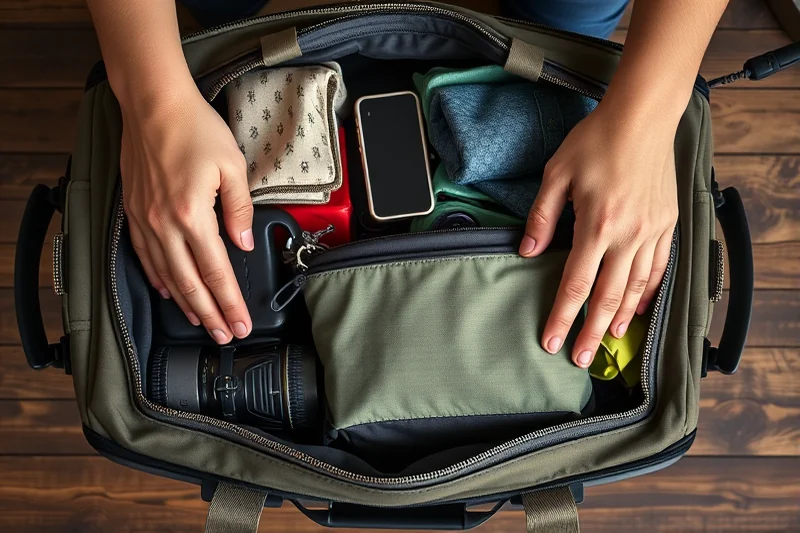
We also made sure to pack wisely. We brought reusable water bottles, a small first-aid kit, and even a few snacks for the kids — this helped us save money on local purchases. I’ve found that bringing your own snacks can be a huge money-saver, especially on long trips.
Finally, I recommend setting a daily budget and sticking to it. I set a limit of $50 per person per day, which allowed us to enjoy everything we wanted without overspending. It’s a simple but effective way to keep your trip on track — and your wallet happy.
⭐ Classic
Traditional Costa Rican rice and beans with just the right amount of spice and flavor.
💰 Budget
A version made with affordable ingredients like canned black beans and rice from the local market.
⚡ Extra-Fast
A quicker version using pre-cooked rice and canned beans for a meal in under 30 minutes.
🌱 Vegetarian
A meatless version of the dish using only plant-based ingredients and spices.
| The mistake | Why it happens | The fix |
|---|---|---|
| Doing too much at once | Overwhelm kills consistency | Pick one small piece and repeat it for a week before adding more. |
| Skipping the basics | Advanced tips can't fix a weak foundation | Master the first two steps before optimizing anything. |
Related: Cheap budget family travel ideas
Essential Budget Travel Costa Rica Family
Related: Small budget travel hacks vs family vacation ideas
Making the Most of Family Discounts and Deals
One of the most cost-effective ways to enjoy Costa Rica is by participating in free or low-cost family events and festivals. For instance, during the week of San José’s annual Feria de las Flores, we attended free concerts, enjoyed local food samples, and even joined a free craft-making workshop for children. These events are often promoted on the city's tourism website or through local Facebook groups, so it's worth following those for updates.
I’ve also taken advantage of free guided tours offered by the Costa Rica Tourism Board during peak travel seasons. These tours, which run every few hours at major attractions like the National Museum or the Pre-Columbian Gold Museum, are free of charge and last about 45 minutes. They’re led by knowledgeable guides who provide fascinating insights into the country's history and culture. These tours are a great way to save money while still gaining an enriching experience.
Additionally, many local communities host free cultural events like traditional dance performances, storytelling sessions, or agricultural demonstrations. I remember attending a free coffee-tasting event in Sarapiquí, where we learned about the entire process from bean to brew. These events not only provide unique experiences but also offer a chance to connect with local culture in a meaningful way. Look for events promoted through community boards, local newspapers, or visitor centers.
The Power of Slow Travel for Families in Costa Rica
Slow travel allows families to immerse deeply in Costa Rica’s culture, save money, and avoid burnout.
When we first visited Costa Rica, we rushed from one attraction to another, only to find ourselves exhausted and missing the subtleties of the places we were visiting. After our second trip, we adopted a slower pace, spending two to three days in each region. This approach not only gave us time to explore local neighborhoods, try home-cooked meals with host families, and learn about traditional crafts, but it also significantly cut down our travel costs. We avoided expensive last-minute bookings and enjoyed more authentic experiences.
By staying in one area for a few days, we were able to use local transportation like buses and shared shuttles instead of expensive rental cars or private transfers. We also found that many attractions, like national parks and beaches, were within walking distance or a short bike ride away. This method of traveling reduced our daily expenses by about 30%, allowing us to allocate more money toward activities like guided hikes or cooking classes with local chefs.
Another benefit of slow travel is the opportunity to build meaningful connections with locals. We met several families through homestays and small guesthouses who shared tips on free or low-cost activities, hidden gems, and the best times to visit. These relationships helped us avoid tourist traps and made our trip more enriching. It also gave our kids a chance to engage with local children, learn about their lives, and gain a broader perspective on the world.
References
- PDF Costa Rica Family Adventure Rainforests, Rivers & Amazing Wildlife (alumni.harvard.edu)
- Costa Rica: Family Trip | Yale Alumni Academy (alumniacademy.yale.edu)
- Striking a Balance: Preserving Nature and Promoting Tourism in Costa Rica (blogs.iu.edu)
- Costa Rica: Tropical Forests and National Parks (coloradocollege.edu)
Cite this guide
Familyonadime (2026). Essential Budget Travel Costa Rica Family. https://familyonadime.com/essential-budget-travel-costa-rica-family/
Feel free to cite or share this guide.