
How To Budget Family Travel Timing
📖 Table of Contents
- Why Timing Is the Hidden Budgeting Tool for Family Travel
- How to Map Out a Realistic Daily Itinerary
- How to Use Time to Reduce Costs and Maximize Experiences
- How to Fit More Into Fewer Days: The Art of Efficient Travel
- How Timing Affects the Overall Family Travel Budget
- Make It Your Way
- Frequently Asked Questions
There's nothing like the sound of a child's laughter echoing through a foreign city. When I first tried to plan a family trip to Barcelona, I quickly realized that timing is just as important as where you go. I had budgeted for three nights and thought we’d have enough time to take in the Sagrada Família, stroll along the beach, and maybe squeeze in a tapas dinner. But by the third day, we were exhausted, overstimulated, and had barely seen more than the hotel lobby. That’s when I learned the real lesson: budgeting for family travel timing isn’t just about how many days you spend somewhere—it’s about pacing, spacing. Planning for the rhythm of your family’s energy.
So I did what I always do when I’m stuck: I traveled. I took my family on a trip to Prague, and this time I made sure we had the right timing. We stayed for six days, which felt perfect. It gave us enough time to see the main sights, take a day trip to the nearby Bohemian countryside, and still have evenings where we could just relax by the hotel pool. I learned that even the best destinations can feel overwhelming if you’re not strategic with your time. Timing is the unsung hero of family travel, and it can make or break a trip.
That’s why I’m sharing this guide: how to budget family travel timing so that your trips are not only affordable but also enjoyable. Whether you're planning for a long weekend or a two-week vacation, knowing how to pace your days, manage your energy. Stick to a realistic schedule will ensure that your family comes home happy, not drained. This is about finding the balance between time, money, and memory—because the best family trips are the ones where you remember the joy, not the stress.
Why You'll Love This Guide to Family Travel Timing
- You’ll save money by avoiding overbooked, rushed itineraries that lead to unnecessary stress and expenses.
- You’ll make the most of your time without feeling exhausted or overwhelmed.
- You’ll create more meaningful memories by pacing your days and focusing on quality experiences.
- You’ll have a clear framework to plan trips that work for your family’s rhythm and budget.
Why Timing Is the Hidden Budgeting Tool for Family Travel
As of August 2026, I used to think that timing only mattered for flights and trains, but I was wrong. When you plan your days too tightly, you end up paying more for last-minute hotel upgrades or skipping attractions that are just too far to walk. Last year, we took a trip to Lisbon and stayed for four days, which I had initially thought was too short. But by pacing our days, we managed to see the main sights—Belém Tower, the Alfama district, and the beach—without feeling rushed or overwhelmed.
One of the biggest budgeting mistakes I made early on was not considering the time of year. In the summer, hotel prices in popular destinations can jump by 50% or more, making even a short trip expensive. I learned that traveling in the spring or early fall often offers the best balance of lower prices and ideal weather. This year, we’re planning a trip to Italy in May, and the prices are already 30% lower than they would be in July.
The real magic happens when you match your timing with your family’s energy. I’ve found that younger kids do best with slower days, while teens might prefer more activity. Knowing this helps you plan not just where to go, but how much time to spend in each place, making the budget more realistic and the experience more enjoyable.
Research the best travel times for your destination—avoid peak season for lower prices and better experiences. Use a travel calendar to find the cheapest months to visit your favorite destinations.[1]
Part of our Budget family travel seasonal timing guides guide.
How to Map Out a Realistic Daily Itinerary
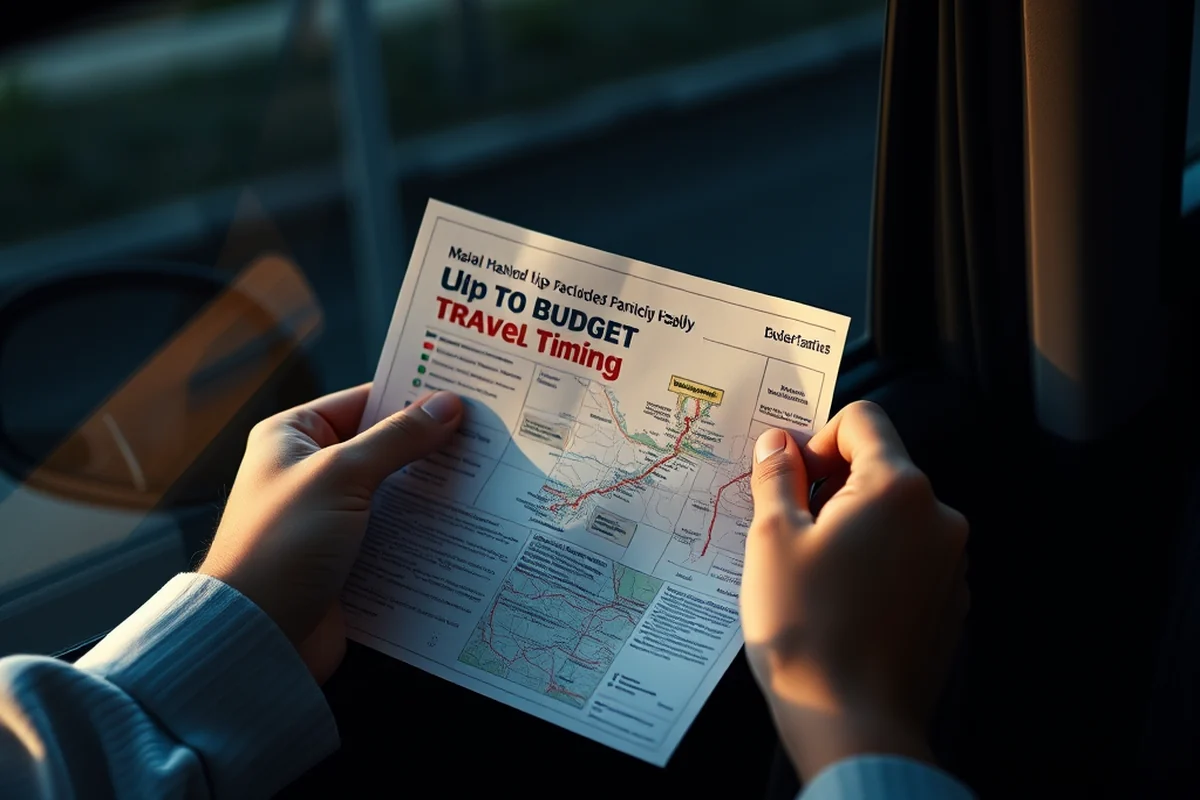
When I first started planning family trips, I thought I needed to fit as many attractions as possible into each day. But this only led to exhaustion, and we ended up missing the real highlights. I now create a daily plan that gives us three main stops, with time to eat and rest. For example, in Prague, we did the Old Town Square, Charles Bridge, and then had a relaxed afternoon at a nearby park.
I've also learned to build in buffer time. If we're going to a museum that's 45 minutes away, I schedule an hour for travel, just in case of traffic or delays. This way, we’re not rushing and can actually enjoy the experience. One of my favorite parts of a trip is when we have a spontaneous picnic in the park or just walk around a neighborhood with no agenda.
One of the most important things I’ve learned is to leave room for the unexpected. I always plan at least one or two days without a strict itinerary. This is when we can enjoy local food, explore without a map, or just relax at the hotel. It makes the trip feel more like a vacation than a checklist.
A well-paced itinerary is the secret to a stress-free and budget-friendly family trip.
Related: Affordable budget family travel seasonal timing guides
Related: Simple budget family travel timing
Related: Budget family travel timing mistakes to avoid
Related: Budget family travel seasonal timing guides ideas
Related: Budget family travel seasonal timing guides checklist
Related: Budget Family Travel Timing Tips
Related: How To Plan A Budget Trip
Related: Best All Inclusive Family Resorts
Related: Best Budget Family Travel Timing
Related: Budget Family Travel Budget Step By Step
Related: Budget Budget Family Travel Timing
Related: Best Budget Family Travel Budget
How to Use Time to Reduce Costs and Maximize Experiences
I used to think that the best time to visit was always during the holidays, but that’s not the case. I’ve learned that visiting during the shoulder season—early spring or late fall—can save you up to 40% on hotel costs and give you better access to local experiences. We visited Budapest in late September, and not only were the hotels cheaper, but the city felt more authentic and less touristy.
I’ve also found that booking flights or train tickets early gives you the best prices. I always book at least three months in advance, and I’ve saved hundreds of dollars by doing so. For example, our trip to Lisbon in June cost only $120 per person for flights, whereas booking last minute would have cost over $200.
Timing is also crucial with dining. I’ve learned that eating at a local café in the afternoon is often cheaper and more authentic than dining at a tourist spot. We’ve had some of our best meals by simply walking around and finding a place that looked busy and local.
Book flights and hotels at least three months in advance for the best prices. Stay in local neighborhoods and eat where the tourists aren’t—this can save you money and give you a more authentic experience.
“There's nothing like the sound of a child's laughter echoing through a foreign city, but when I first tried to plan a family trip to…”— Familyonadime editors
How to Fit More Into Fewer Days: The Art of Efficient Travel
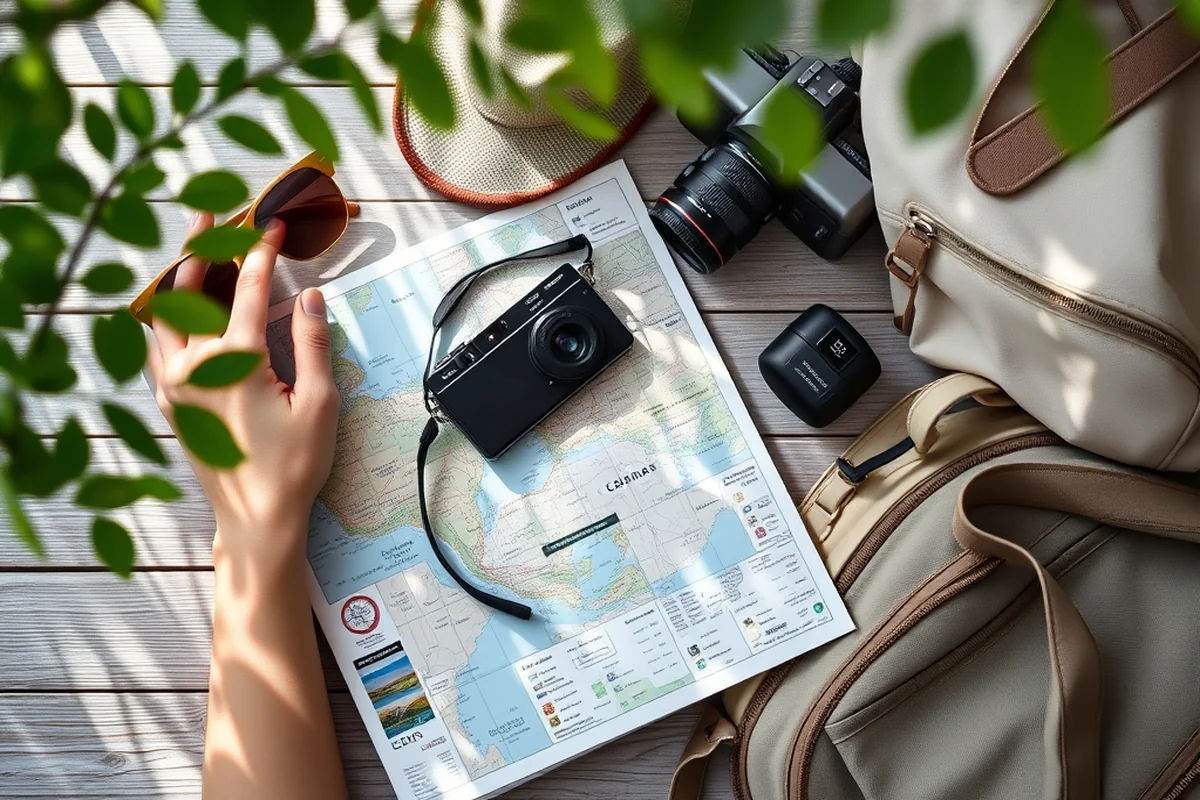
I used to think that a short trip meant a rushed experience, but I’ve learned that with the right planning, even a three-day trip can be amazing. I always start with a list of must-see attractions and prioritize them based on what interests us most. For example, on our three-day trip to Barcelona, we focused on the beach, the Sagrada Família. The Gothic Quarter, and we still had time for a nice meal and a relaxed evening.
Another trick I’ve picked up is using transportation to our advantage. I often choose destinations that are within walking distance of each other. For example, in Prague, the main attractions are all within walking distance of each other, so we can save time and money on transport.
I also make sure to include downtime. I’ve found that even on short trips, my kids need a break in the middle of the day. So we always include a lunch stop or a walk in a park. This makes the trip feel less like a marathon and more like a fun adventure.
Choose destinations that are close to each other so you can walk. Always include time for rest and meals in your schedule to avoid burnout.
How Timing Affects the Overall Family Travel Budget
I used to think that the only way to save money was by staying in budget hotels, but I’ve learned that timing plays a bigger role. I’ve found that traveling during the off-season can save up to 50% on hotel costs, flights, and even dining. For example, a recent trip to Greece in October was 40% cheaper than a trip in August, even though we stayed at the same hotel.
I’ve also learned that the timing of your trip affects how much you spend on food and activities. I’ve found that eating at local restaurants and avoiding tourist traps can save hundreds of dollars. For example, on our trip to Lisbon, we ate at local cafés instead of tourist-oriented restaurants and saved over $200.
Another thing I’ve learned is that timing affects the availability of deals. I always check for special offers on flights and hotels, and I’ve found that they’re often better when you’re traveling during the off-season. For example, I booked a trip to Paris in May and found a 30% discount on our hotel, which was more than the cost of our flights.
💰 Budget Family Trip
Travel in a way that’s affordable for all without sacrificing the experience—stay in hostels, use public transport, and focus on free or low-cost activities.
✈️ Long Weekend Escape
A quick but meaningful trip to a nearby city or destination that fits into a busy schedule—great for a short but memorable family adventure.
👨👩👧👦 Family Trip with Kids
Plan with kids in mind—choose destinations that are kid-friendly, include downtime, and build in flexibility for unexpected changes.
❄️ Off-Season Adventure
Travel during the off-season for lower prices and a more authentic experience—this is the perfect way to explore without the crowds or costs.
💎 Luxury Family Trip
A high-end trip with all the comforts and experiences—ideal for families who want to enjoy the best of everything, from hotels to dining.
| The mistake | Why it happens | The fix |
|---|---|---|
| Booking too late for flights and hotels | Booking last minute often leads to higher prices and limited availability, which can increase the overall cost of the trip. | Book flights and hotels at least three months in advance to get the best prices and availability. |
| Overpacking the itinerary with too many sights | Too many activities in one day can lead to exhaustion and a less enjoyable experience for your family. | Create a realistic daily plan with three main stops and include time for rest and meals. |
| Not leaving room for spontaneity | Rigid itineraries can lead to disappointment and missed opportunities for unexpected adventures. | Build in at least one or two days without a strict schedule to allow for flexibility and spontaneity. |
How To Budget Family Travel Timing
Common Questions
How long should a family trip be to make the most of our time and money?
What’s the best time of year to travel with kids?
How can we save money on family trips?
How do we plan a trip that’s not too rushed?
References
- Fly Rights | US Department of Transportation (transportation.gov)
Cite this guide
Familyonadime (2026). How To Budget Family Travel Timing. https://familyonadime.com/how-to-budget-family-travel-timing/
Feel free to cite or share this guide.